
Flexible Jobs Rise as Chinese Workers Seek Work-life Balance
Nearly two-thirds of Chinese consumers now value their private lives more than career success, marking a significant shift since the pandemic, according to a poll from early 2024. As a result, flexible jobs have emerged as a significant choice for young Chinese workers.
Meanwhile, experts recommend implementing more flexible social insurance programs and enforcing stricter oversight of platform algorithms to better protect the rights of flexible workers.
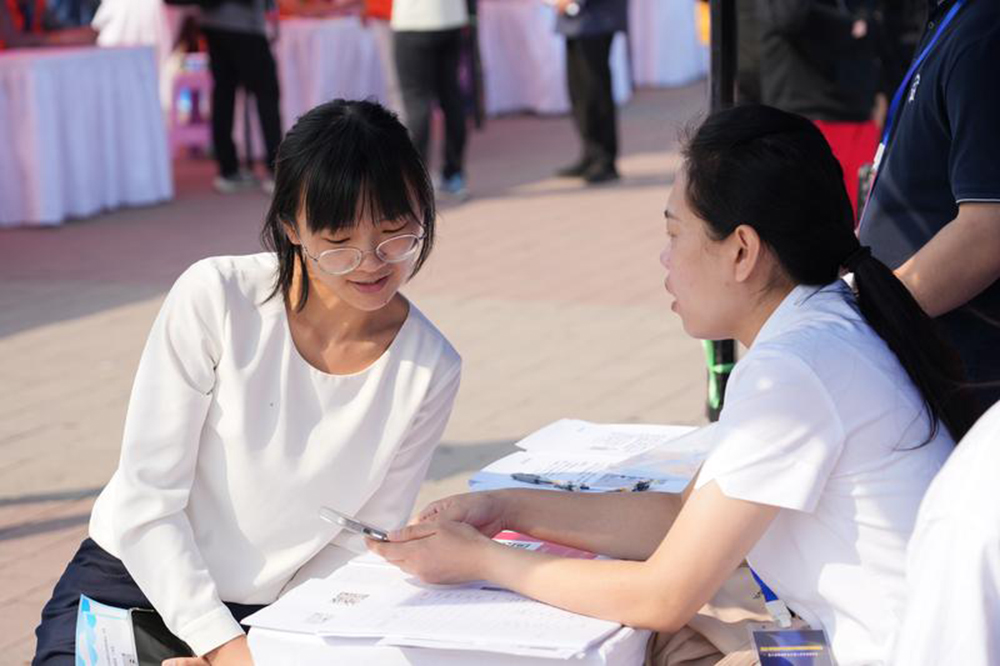
For example, Zhaopin, an online recruitment site, reported that post-2000 youths are more open to flexible jobs compared to older generations. Specifically, among surveyed 20-somethings, 51.3% said they already work flexibly or want to, citing reduced pressure and fewer restrictions.
Nevertheless, flexible workers face significant challenges. For instance, rapid advancements in tech and digital growth demand strong skills, effective time management, clear career plans, and high motivation. At the same time, many employers are hiring flexible workers to cut costs and gain fresh ideas. Notably, 38% of companies increased flexible hiring this year, with profitable firms leading the trend.
One example is Zheng Yuan, a 28-year-old interior designer in Beijing. He quit his full-time job last September and now works on design projects for small architectural firms or platforms like Xiaohongshu. “I left my old job because of stress and health issues,” Zheng said. “I worked 9 am to 9 pm, six days a week, even on weekends. Now, I choose projects I like and feel respected by clients. Payments vary, but I’m okay with it.”

The 9-9-6 work culture (9 am to 9 pm, six days a week) has drawn heavy criticism from Chinese and global media. It has sparked social trends like “lying flat” (tangping) and “sang” (sad) culture. These movements reject fast-paced living and promote simpler lifestyles.
To help working mothers, some Chinese provinces are promoting “Mama’s Posts.” These roles offer flexible hours, making it easier to balance work and childcare. Xinhua News Agency has highlighted these efforts.
Meanwhile, sectors tied to the digital economy, such as logistics, media, and entertainment, are creating more flexible job openings. A report by Zhaopin and Jinan University confirms this growing trend.
A Zhaopin survey shows that 18.9% of workers already have flexible jobs, and 51.1% want to switch to one. Ali Research predicts 400 million people will work in digital-related flexible jobs by 2036.
Finally, Li Qiang, vice-president of Zhaopin, emphasized how digital technology has reshaped labor needs. “About 40% of full-time jobs could be replaced by AI in the future. Companies will increasingly offer flexible roles to adapt,” he said.
Written by Yi Shen, additional reporting by Ecns and China Daily.
If you liked this article, why not read: China Minutes: Most Read Articles of 2024