
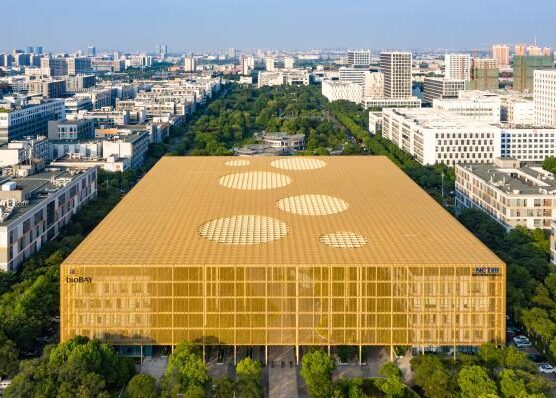

China approved 38 innovative drugs in H1 2026 as its biotech ecosystem expanded, with Suzhou strengthening its role as a leading pharmaceutical innovation hub.
China approved 38 innovative drugs in the first half of 2026, including 31 developed domestically, as the country’s pharmaceutical industry continued to strengthen its innovation capacity.
Officials said the newly approved medicines included several products described as global firsts. They include the world’s first bispecific antibody-drug conjugate, the first CAR-T therapy for solid tumours, monoclonal antibodies targeting hepatitis B and D, and an invasive brain-computer interface medical device described as the world’s first.
Meanwhile, China’s innovative drug sector expanded its international presence. The total value of outbound licensing deals exceeded US$100 billion (about £74 billion) in the first half of the year, setting a new high and reflecting growing global interest in Chinese-developed medicines.
The broader pharmaceutical industry also maintained steady growth. From January to June, exports increased 9 per cent to more than 210 billion yuan (about £21.7 billion), with higher-value products such as chemical formulations and biologics accounting for a growing share of overseas sales.
The sector’s expansion is also reflected in the growth of regional biotech clusters, where research, investment and manufacturing continue to reinforce one another. Suzhou Industrial Park is among the country’s leading examples.
Suzhou Strengthens Biotech Cluster
According to the China National Centre for Biotechnology Development, Suzhou Industrial Park is home to more than 2,000 biopharmaceutical companies, generating an industrial output of 175.5 billion yuan (about £18.1 billion). The cluster remains among China’s leading centres for biopharmaceutical innovation.
Zhou Gang, general manager of Suzhou BioBAY, told CNS that the park’s early investment, well-developed industrial chain and collaborative innovation ecosystem have supported its long-term development.
The park launched its biopharmaceutical programme in 2007, when China’s biotech industry was still in its early stages. Since then, it has attracted multinational pharmaceutical companies, research institutes and start-ups, creating an integrated ecosystem covering research, development and manufacturing.
Shared Platforms Support Start-ups
Developing a new medicine often takes years and requires substantial investment. To lower barriers for young companies, the park provides shared laboratories, testing facilities and technical platforms, allowing start-ups to begin research without building their own infrastructure.
Zhou said companies can also draw on the park’s established manufacturing and supply chain resources as they expand production.
One start-up, for example, completed company registration in January, began renovating its facility in March, opened its laboratory in May and secured US$30 million (about £22 million) in financing shortly afterwards.
In addition, state-backed investment platforms have participated in both yuan- and US dollar-denominated funds, attracting more than 10 billion yuan (about £1 billion) in private capital.
The National Centre for Technology Innovation for Biopharmaceuticals, based in Suzhou Industrial Park, is also upgrading its research capabilities through partnerships with leading pharmaceutical companies to support future innovation.
If you liked this article, why not read: China’s Biotech Boom: New Medicine, Global Impact


