
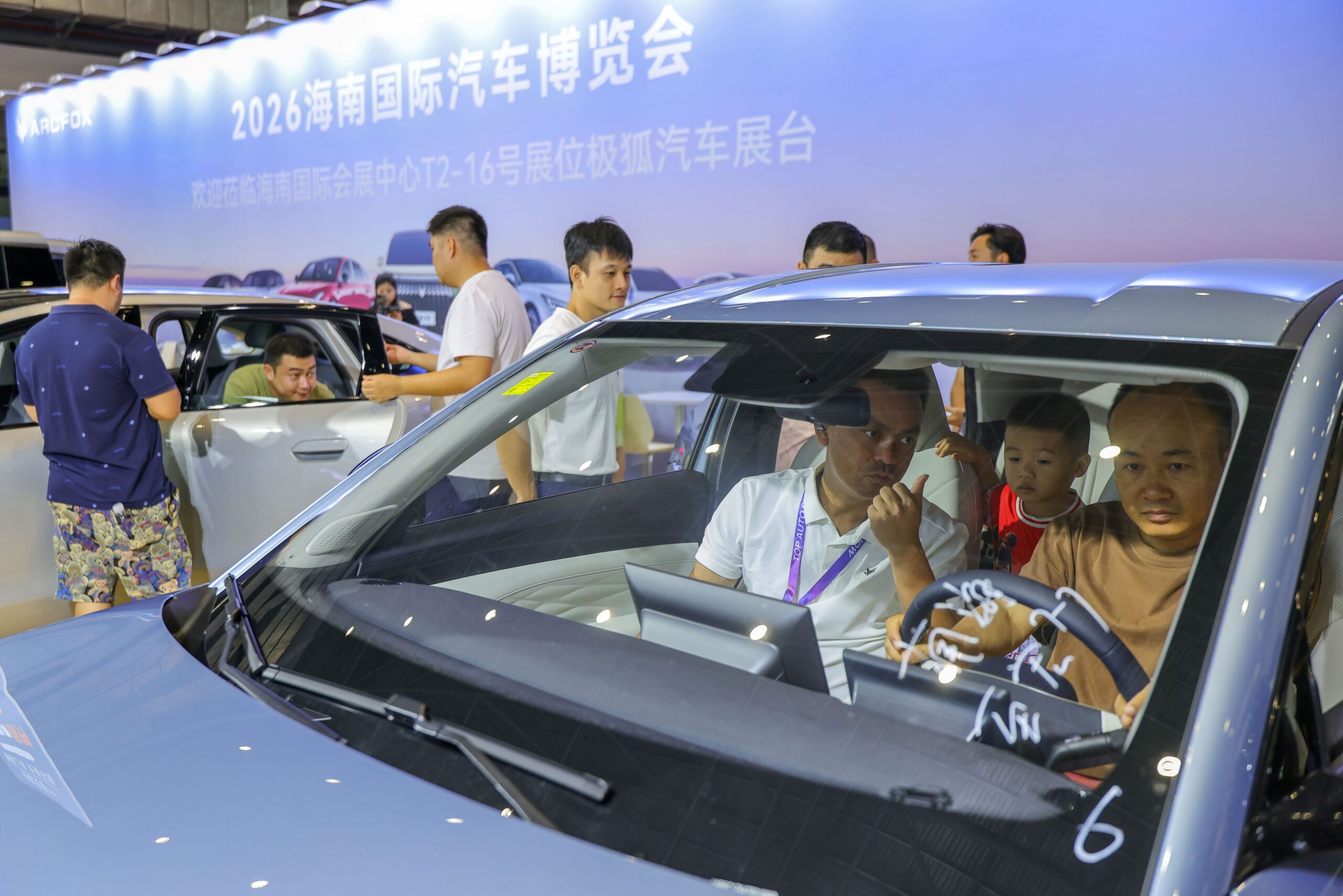

China’s Hainan plans to stop selling new petrol cars by 2030, potentially becoming the country’s first all-electric province.
By 2030, buying a new petrol-powered car in Hainan could become a thing of the past.
China’s southern island province has outlined its plan to stop selling new petrol vehicles by the end of the decade in its latest ecological development plan. If the target is achieved, Hainan will become the first province in China to phase out sales of new petrol cars.
The move comes as countries and regions around the world are also setting timelines to reduce the use of petrol and diesel vehicles. The European Union plans to end sales of new combustion-engine cars from 2035, while Hainan has set a target five years earlier.
However, Hainan’s plan is not only about setting a timetable. The island province already has several conditions that support a faster transition, including its geography, climate, charging network and growing electric vehicle (EV) market.
Why Hainan Is Ready for Electric Driving
Hainan’s geography gives it a natural advantage.
The island’s ring expressway stretches more than 600 kilometres. Most daily journeys are much shorter, meaning the driving range of today’s EVs can meet local travel needs. Drivers also have fewer concerns about long-distance travel because Hainan is separated from mainland China.
Meanwhile, the island’s location makes vehicle management easier. Large numbers of petrol vehicles from other provinces are less likely to enter the local market, which helps support the transition.
The climate is another factor.
Cold weather can reduce battery performance and driving range, which remains a concern for some EV users. However, Hainan has a warm climate throughout the year. As a result, EV batteries can operate more consistently than those in colder regions.
The cost of using petrol vehicles has also encouraged consumers to consider alternatives. Hainan’s petrol prices have long been higher than those in many mainland regions, while the province has continued to develop renewable energy sources such as solar and wind power.
How the EV Transition Has Taken Shape
Hainan’s move towards electric vehicles began years before the latest plan.
In 2018, the province proposed promoting the use of new energy vehicles across the island. The following year, it released a development plan for clean-energy vehicles, which set a goal of ending sales of petrol cars by 2030.
Since then, the local EV market has continued to expand.
According to official data, Hainan promoted 116,800 new energy vehicles in 2025. They accounted for 62.9% of all newly registered vehicles, the highest proportion among China’s provincial-level regions.
By January 2026, the province had 544,600 new energy vehicles on its roads. They accounted for 23.95% of all registered vehicles. This means nearly one in every four vehicles in Hainan is now a new energy vehicle.
At the same time, charging infrastructure has continued to grow. Charging facilities now cover every township across the province. The latest plan also aims to keep the vehicle-to-charger ratio below 2.5:1 by 2030.
What the 2030 Plan Means
The 2030 target focuses on new vehicle sales rather than existing vehicles.
Under the plan, all newly added or replaced vehicles in public services and commercial operations, except special-purpose vehicles, are expected to use clean energy by 2030. The same target applies to newly purchased private cars.
However, the policy does not mean existing petrol vehicles will disappear.
Current petrol car owners will still be able to drive, refuel and register their vehicles. Second-hand petrol vehicle transactions within the province will also continue. Special-purpose vehicles, including fire engines and engineering vehicles, are not included in the policy.
The transition also covers different types of clean-energy vehicles, including battery electric vehicles, plug-in hybrid vehicles, extended-range electric vehicles and hydrogen fuel cell vehicles.
For Hainan, the shift towards electric mobility has been a gradual process rather than a sudden change. The province has spent years building its EV market and infrastructure. The 2030 target is the next step in that process.
By Ronnie Yu, with additional reporting by Economic Information Daily, Sanlihe.
If you liked this article, why not read: Why China’s Electric Motorbikes Are Winning Riders Worldwide


