
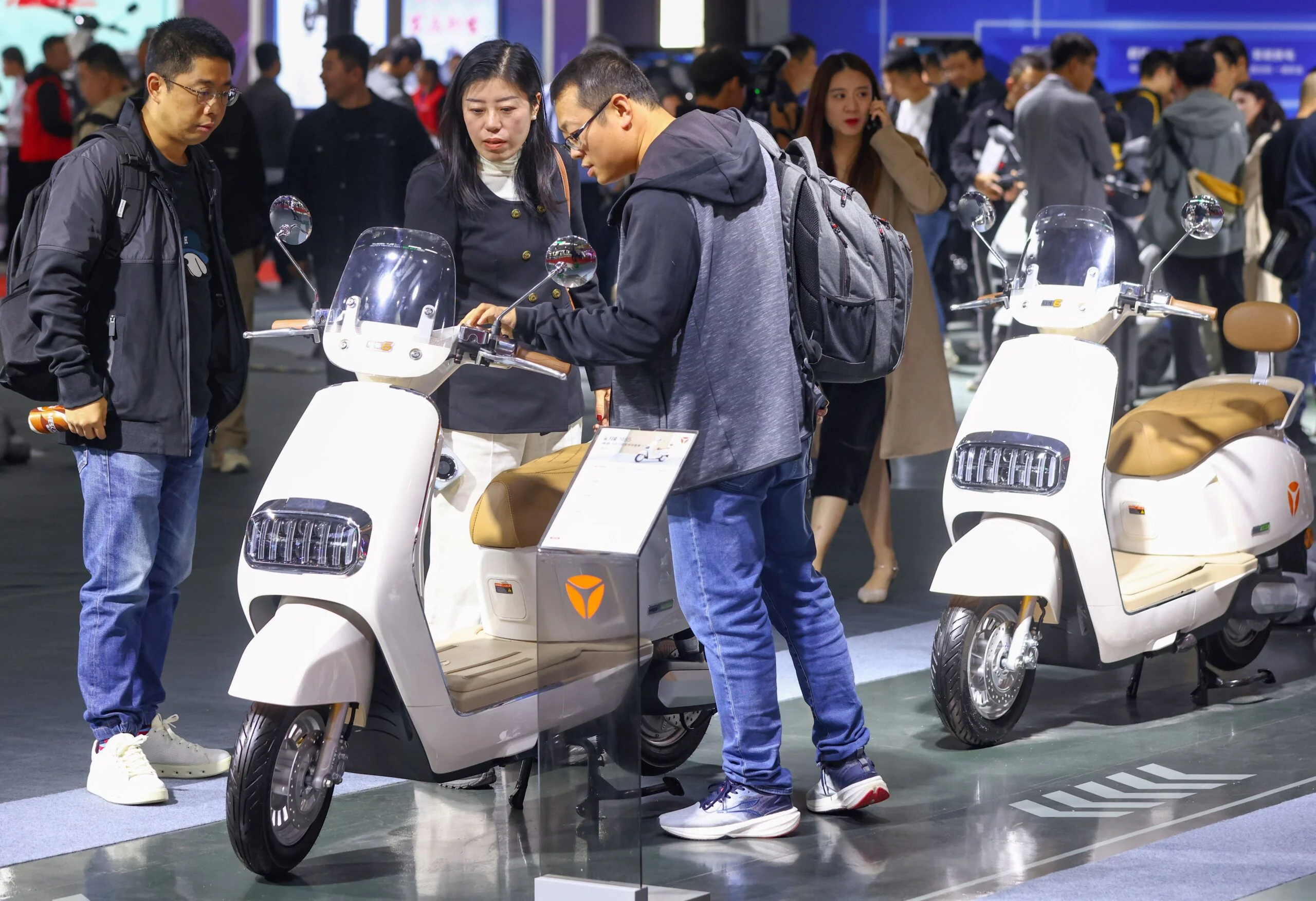

Chinese electric motorbikes are gaining popularity worldwide as rising fuel costs, green transport goals and affordable mobility drive demand from Europe to Southeast Asia.
For years, electric cars have dominated conversations about the future of transportation. Yet another electric vehicle is quietly gaining ground around the world: the electric motorbike.
From the streets of Paris to delivery routes in Southeast Asia, more people are choosing electric two-wheelers for their daily journeys. Rising fuel costs, concerns about emissions, and the need for affordable mobility are driving demand. As this trend grows, Chinese manufacturers are emerging as major suppliers to global markets.
From Local Transport to Global Demand
In China, electric two-wheelers have long been a common sight. They offer a practical way to travel short and medium distances without relying on gasoline. Now, that model is attracting attention overseas.
According to industry data, China exported more than 26.7 million electric two-wheelers in 2025, with exports reaching 6.829 billion U.S. dollars. The momentum continued into 2026. In the first quarter alone, exports totalled about 7.2 million units, up 68.2 per cent year on year.
The appeal is easy to understand. Electric motorbikes cost less to operate than traditional motorcycles, require no fuel, and can help reduce emissions. At a time when energy prices remain volatile in many regions, these advantages have become increasingly attractive.
On social media, videos featuring Chinese-made electric motorbikes and electric tricycles regularly attract hundreds of thousands of views. Some show American teenagers riding to school. Others feature delivery drivers in Southeast Asia or young commuters cruising through European cities.
For many users, the vehicles offer a simple solution to everyday transportation needs.
Chinese Brands Expand Their Global Reach
The growing demand has brought new opportunities for Chinese manufacturers.
At Yadea, one of China’s leading electric two-wheeler makers, overseas orders continue to rise. A manager in the company’s international marketing division said some popular models are already booked months in advance.
One high-speed electric motorbike developed by the company can travel up to 129 kilometres on a single charge and reach speeds of 100 kilometres per hour. The model has become particularly popular in Europe.
Today, Yadea sells products in more than 100 countries and regions. The company has established localised production operations in several Southeast Asian markets and continues to expand its sales and service networks in Europe. In the first quarter of this year, its overseas sales increased by 70 per cent compared with the same period last year.
However, selling products abroad involves more than simply exporting them.
Consumer needs vary widely from market to market. Europeans often use electric two-wheelers for leisure and urban commuting. In Southeast Asia, riders frequently travel on rougher roads and in heavy rain. In parts of Africa, carrying cargo is often a priority.
As a result, Chinese manufacturers have invested in localised research and development. Some companies have strengthened waterproof designs, improved suspension systems, and developed electric tricycles for commercial use. Others are building factories in countries such as Vietnam and Indonesia to produce locally and respond more quickly to market demand.
Investing in key Technologies
Behind the export growth stands one of the world’s most complete electric two-wheeler supply chains.
In Wuxi, a manufacturing hub in eastern China’s Jiangsu Province, many leading electric vehicle companies and suppliers operate within a relatively small area. The region produces more than 15 million electric two-wheelers each year and serves as a major centre for vehicle development, manufacturing, and parts distribution.
Local governments and companies are also investing in battery technology, charging infrastructure, intelligent connectivity, and other key technologies to strengthen competitiveness.
At the same time, manufacturers are paying greater attention to after-sales services, which remain an important factor for overseas buyers. Building maintenance networks and ensuring reliable support have become essential steps for companies seeking long-term growth abroad.
Electric motorbikes are unlikely to replace cars entirely. However, they are becoming an increasingly important part of the global transportation mix.
As cities search for cleaner, more affordable and more flexible ways to move people, electric two-wheelers may become a bigger part of everyday transportation. For now, many of them are being designed, built and exported from China.
Written by Ronnie Yu, additional reporting by Xinhua, CNS.
If you liked this article, why not read: Beijing Auto Show Sets Record Scale With Global EV and Tech Focus


