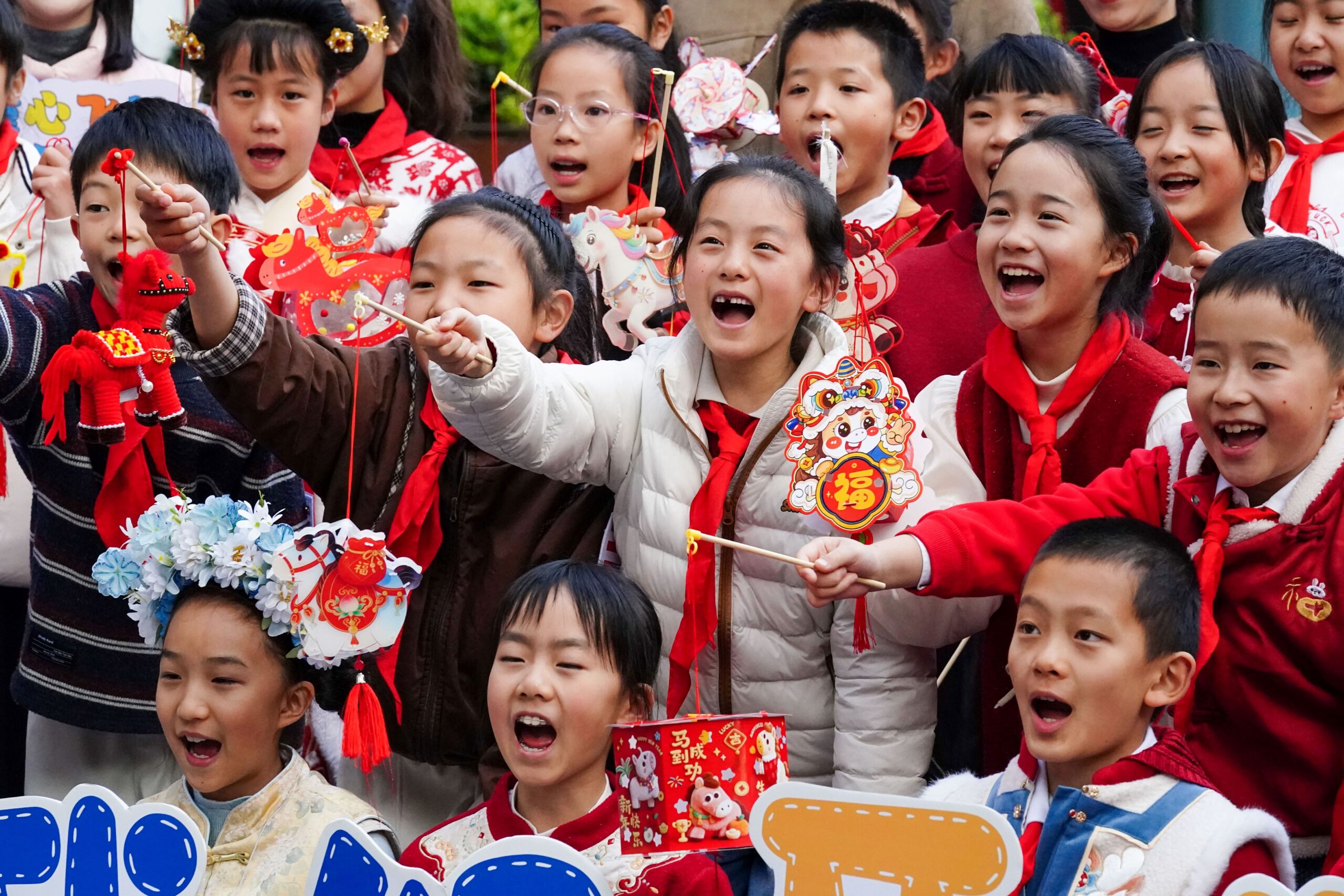

China’s NPC deputies and CPPCC members propose measures to support teen mental health, including education programs, sports activities and AI-based support in schools.
Mental health among young people has drawn growing attention in China. In this year’s government work report, authorities called for wider access to mental health education and encouraged young people to build resilience and well-being through sports.
During China’s annual Two Sessions, several deputies to the NPC and members of the CPPCC National Committee shared ideas on how to support teenagers’ mental health better.
Recognizing Psychological Challenges
Huang Huachun, a deputy to the NPC and vice principal of Chongzuo Senior High School in south China’s Guangxi Zhuang Autonomous Region, said that psychological difficulties among teenagers need to be recognised and addressed scientifically.
She noted that mental health forms an important foundation for young people as they grow up. In the past, some people believed that children’s unhappiness was temporary or simply a matter of “thinking too much.” Today, however, many have come to understand that psychological distress is a real medical issue that requires proper attention.
Since becoming an NPC deputy, Huang has conducted research in several regions. During these visits, she often heard parents say they did not know how to help their children when emotional problems appeared. Based on her findings, she proposed establishing a systematic psychological support network for teenagers.
In October 2025, China’s Ministry of Education issued a set of ten measures to further strengthen mental health work in primary and secondary schools. Some of Huang’s suggestions were reflected in the document, including building monitoring and early-warning systems and improving mechanisms for early detection, intervention and response.
Huang also cited practices at her own school. The school has established a medical referral channel connecting Chongzuo and Beijing. Through this system, high-risk cases can receive early screening and timely intervention. She said the rate of psychological problems among students has declined. “Care is the foundation for addressing mental health issues, while professional support is the key,” Huang said.
More Sports and AI Support
At the beginning of the spring semester this year, many primary and secondary schools across China adjusted their schedules. Break time between classes was extended from 10 minutes to 15 minutes. Many students say the change has given them more time for sports and outdoor activities. School life has also become more active.
Gao Jinfeng, a member of the CPPCC National Committee and principal of an elementary education group in Taizhou, Jiangsu Province, said schools should return time for exercise and rest to students.
Physical and mental health are closely linked, she said. Extending break time reflects the “health first” approach in education and helps young people build stronger bodies and develop resilience.
Gao also pointed to the potential role of artificial intelligence. She said discriminative AI systems can help identify students’ emotional states and provide feedback, while conversational AI tools can offer support or suggestions when students experience negative emotions.
Her school plans to introduce such technologies while continuing traditional programs. These include spaces where students can express worries or share emotions. She also suggested using AI to strengthen communication between families and schools. This would help parents and teachers better understand students’ emotional conditions.
Schools as a Key Support System
Kou Kam Fai, a member of the CPPCC National Committee and principal of Pui Ching Middle School in Macau, said schools serve as an important bridge between families and society.
He suggested that schools increase resources for mental health education and improve teachers’ ability to provide psychological guidance. A supportive and understanding environment can help teenagers feel more comfortable seeking help when they face emotional difficulties.
Written by Chen Wang, additional reporting by CNS.
If you liked this article, why not read: One-Person Companies in China: How AI Empowers Solo Founders