
Archaeologists Uncover Multiple Hongshan Culture Sites in Northeast China.
Archaeologists have recently discovered multiple Hongshan culture sites in the city of Lingyuan, northeast China’s Liaoning Province, according to the Liaoning Provincial Institute of Cultural Relics and Archaeology.

Discoveries of Hongshan Jade Artefacts
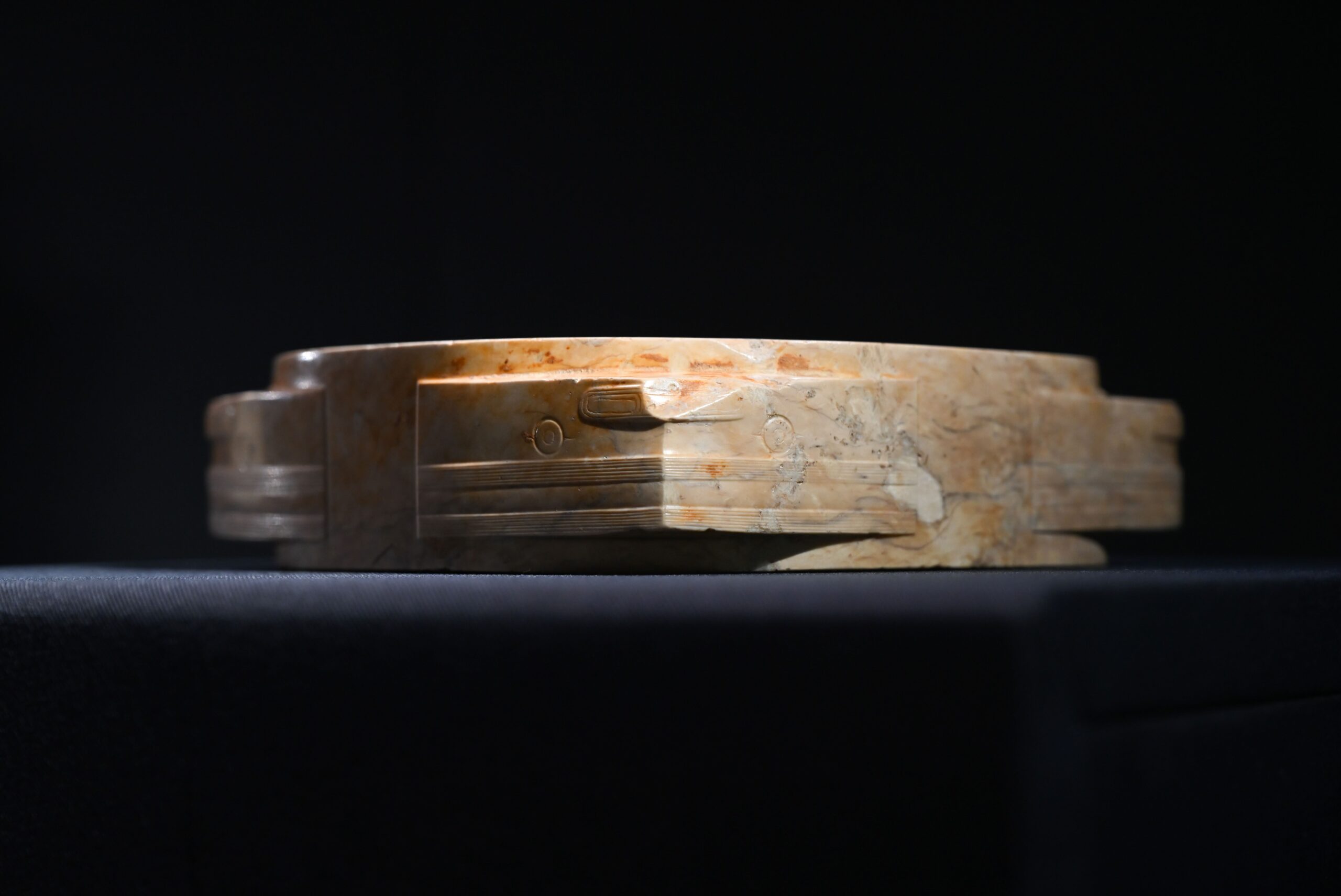
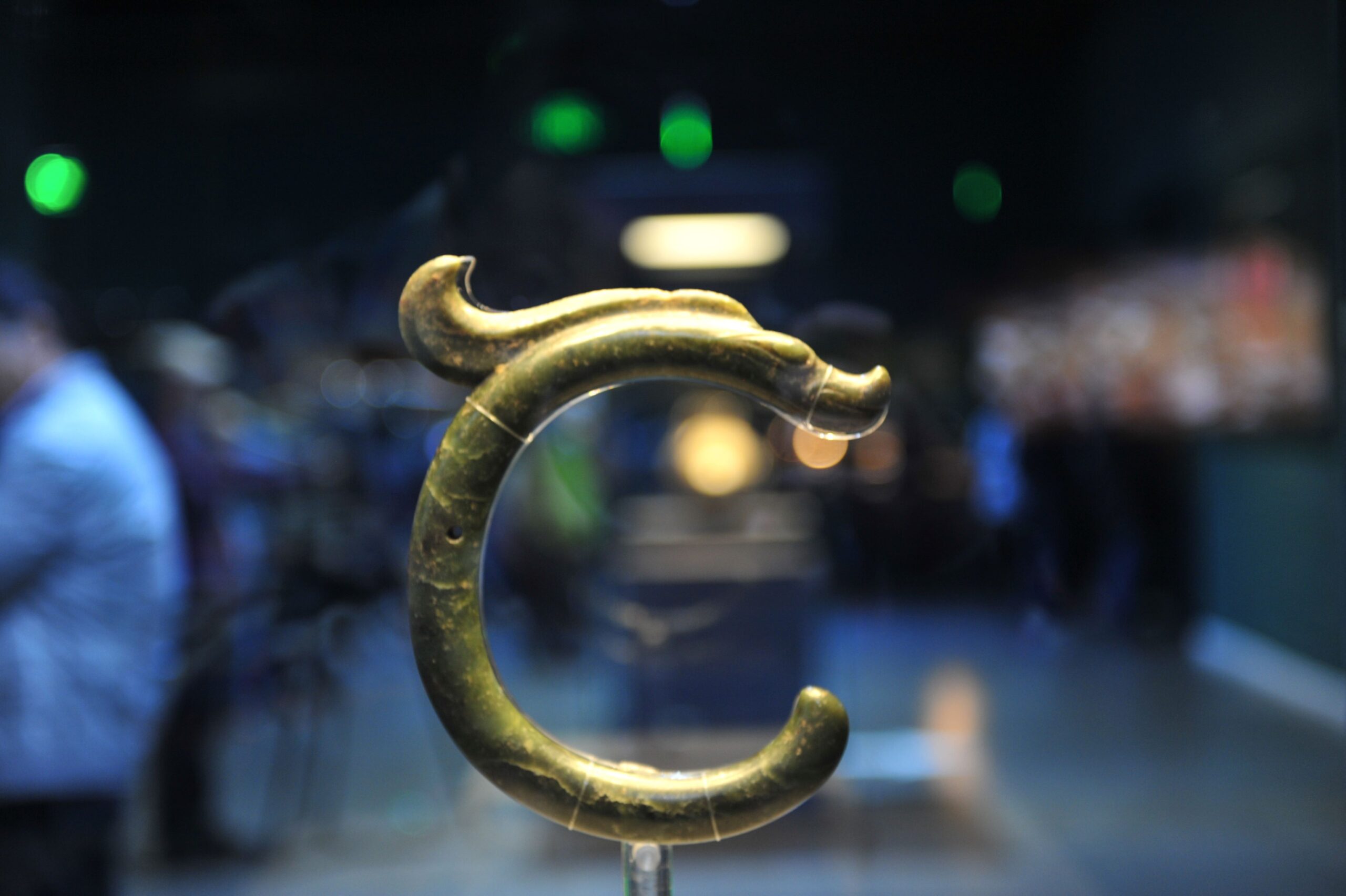
In a significant breakthrough, numerous artefacts, including three jade dragons from the Neolithic Hongshan culture, have been unearthed in North China’s Inner Mongolia Autonomous Region. This marks a new annual record for unearthed Hongshan jade dragons in recent years.
The jade dragon is one of the most iconic artefacts of the Hongshan culture. A previously discovered C-shaped jade dragon, now housed in the National Museum of China, is renowned for its large size and exquisite craftsmanship. It has been hailed as the “First Dragon of China.”
Distinct from the C-shaped dragon, the jade pig dragon is another remarkable jade artefact of the Hongshan culture. This round-carved jade piece requires a higher standard of material selection and production techniques than other jade artefacts. Additionally, it stands out as one of the most influential pieces, leaving a lasting impact on later generations.

The Enduring Legacy of Hongshan Culture
Experts believe that many jade artefacts unearthed from Hongshan sites are green or yellowish-green and often take the form of insects, such as katydids and silkworms. The Hongshan people believed that wearing such jade pieces condensed the energy of heaven and earth and enhanced vitality. Moreover, jade’s rarity and preciousness symbolised the wearer’s identity and status.
Dating back approximately 5,000 to 6,000 years, the Hongshan culture is an essential prehistoric archaeological culture spanning western Liaoning Province, northern Hebei Province, and eastern Inner Mongolia.
Today, the legacy of the Hongshan culture continues to thrive in modern life. In Chifeng, visitors can explore museum exhibitions, attend cultural performances, participate in themed research activities, and even indulge in a “Hongshan-inspired” feast at local restaurants.
Written by Chen Wang, additional reporting from CNS, Xinhua, and Global Times.