
The Xiatang Neolithic Site Tracing China’s Neolithic Past.
Six significant archaeological sites in China have been recognized as the Top New Discoveries of 2024. Among them is the Xiatang Neolithic Site in Xianju County, Zhejiang Province, a settlement dating back nearly 10,000 years.
A Window into Ancient Settlements
First discovered in 1984, the Xiatang site reveals a well-preserved Neolithic settlement that flourished in an area rich in natural resources, making it an ideal place for early human habitation. Archaeological research indicates that the site’s cultural layers are 2.5 meters thick, spanning four major historical periods: Shangshan Culture, Kuahuqiao Culture, Hemudu Culture, and Haochuan Culture. The site’s history stretches from approximately 10,000 to 4,000 years ago, offering invaluable insights into the evolution of early Chinese civilisation.
Uncovering Ancient Life
Excavations at the Xiatang site have revealed trenches, artificial earth platforms, house foundations, food processing areas, and a red-baked earth square. These findings allowed archaeologists to reconstruct the structural layout of an ancient village—a breakthrough in understanding the social organisation of China’s early rice-farming societies.

The Art of Pottery: China’s Earliest “Red”
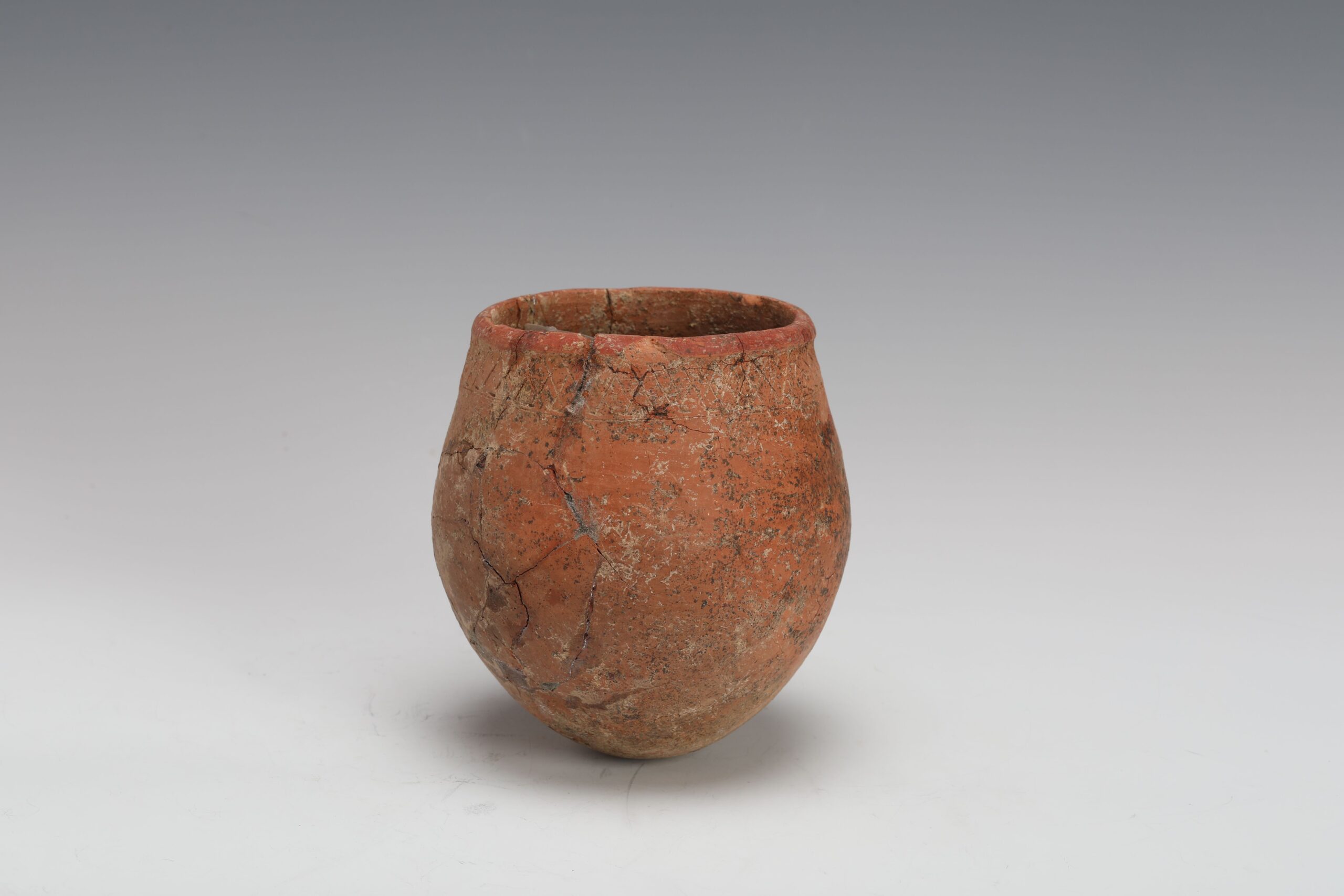
One of the site’s most significant discoveries is its distinctive red pottery, made from clay and fine sand. Analysis of pottery shards shows how ancient artisans crafted their ceramics. They used various techniques, including modeling. They also applied mud-sheet pasting. Another method they used was mud-strip coiling.
Moreover, the ancestors of Xiatang pioneered the art of painted pottery, using red-clay materials in a refined selection and painting process. Experts believe that these red pottery artefacts represent the earliest, purest, and most vibrant “Chinese red” ever found in China.
The Xiatang site sheds light on early human settlements. It also deepens our understanding of China’s prehistoric craftsmanship. Additionally, it provides insights into the social development of ancient China.
Written by Chen Wang, additional reporting from CNS.
If you liked this article why not read: How to Make a Bowl of Tangyuan?