
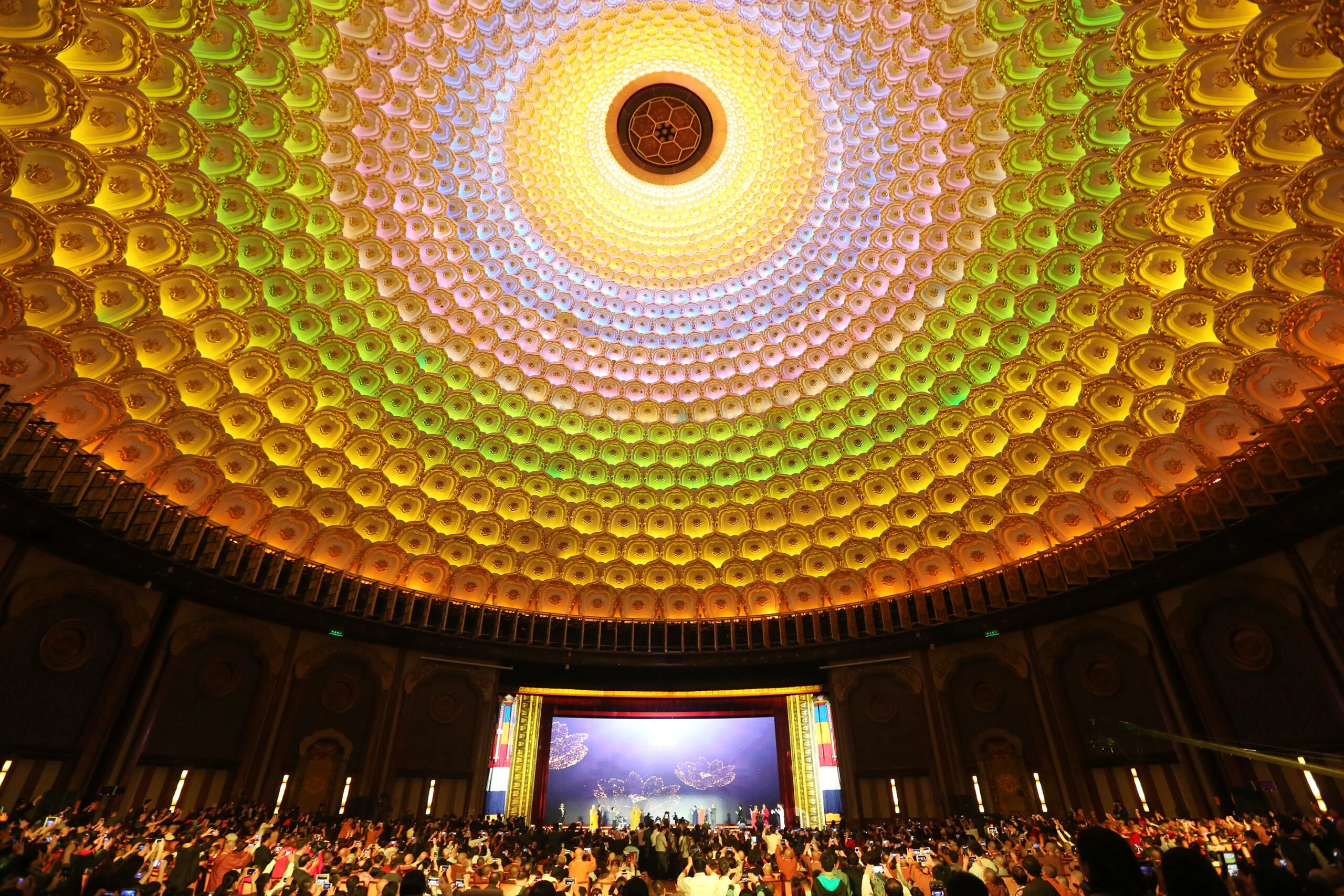

The 21st United Nations Day of Vesak in Wuxi highlights Jiangsu’s long history of Buddhism, cultural exchange and global dialogue across Asia.
Buddhist leaders, scholars and delegates from around 70 countries and regions gathered in Wuxi, east China’s Jiangsu Province, from May 25th to 28th for the 21st United Nations Day of Vesak. It marked the first time China hosted the international Buddhist celebration.
Vesak is one of the most important festivals in Buddhism. It commemorates the birth, enlightenment and passing of Gautama Buddha. People across Asia observe the occasion each year. In 1999, the United Nations officially recognised Vesak as an international observance that promotes peace, compassion and harmony.
For many participants, Jiangsu was a meaningful choice for the event.
The province has long played an important role in the history of Buddhism in China. For centuries, Jiangsu helped shape Buddhist philosophy, scripture translation and cultural exchange across Asia.
The roots of Buddhism in Jiangsu date back nearly 1,800 years. In 247 AD, Emperor Sun Quan of the Kingdom of Wu ordered the construction of Jianchu Temple. Historians widely regard it as the first Buddhist temple in southern China. As a result, the temple became a major symbol of Buddhism’s spread south of the Yangtze River.
Later, during the Eastern Wu period and the Southern Dynasties, nearby Nanjing developed into a major centre for Buddhist learning. Monks and scholars translated Buddhist scriptures there for generations. Their work helped Buddhism gradually become part of Chinese culture and society.
During the Sui and Tang dynasties, several influential Buddhist schools emerged or flourished in Jiangsu. They included the Sanlun, Niutou and Fayan traditions. In the centuries that followed, the province continued to produce well-known monks, scholars and Buddhist thinkers.
At the same time, Jiangsu also became an important bridge between Chinese Buddhism and the rest of Asia.
One of the most famous examples is the story of Jianzhen, a Tang Dynasty monk from Yangzhou. He attempted to sail to Japan six times before finally arriving in the 8th century. His journey helped introduce Buddhist teachings, architecture and cultural traditions to Japan. Today, many people still see him as a symbol of cultural exchange between China and Japan.
Modern Buddhist exchanges also left a strong mark on Jiangsu. In the early 20th century, Japanese monks helped raise funds to cast a bronze bell for Hanshan Temple in Suzhou, one of China’s best-known Buddhist temples. Meanwhile, Venerable Master Hsing Yun, who was born and ordained in Jiangsu, later founded the Buddha’s Light International Association. The organisation went on to influence the global spread of Humanistic Buddhism.
Today, Jiangsu’s Buddhist heritage remains visible across the province.
In Wuxi, ancient temples stand alongside modern cultural and tourism sites. The city, located on the shores of Taihu Lake, has developed a distinctive Zen culture. In recent years, it has also become an important venue for international Buddhist dialogue.
One of the city’s best-known landmarks is the Lingshan Scenic Area. The site includes Xiangfu Temple, the Lingshan Grand Buddha and the ornate Lingshan Brahma Palace. In addition, Wuxi has hosted the World Buddhist Forum twice, attracting Buddhist representatives from around the world.
This year’s United Nations Day of Vesak added another chapter to that history.
As monks chanted in ancient temples and international delegates discussed peace and cultural understanding, Wuxi connected tradition with modern global dialogue. The gathering also showed how Buddhist culture continues to build bridges across countries and civilisations today.

If you like this article, why not read: A Panorama of Hunan Concert to Tour the UK in September


