
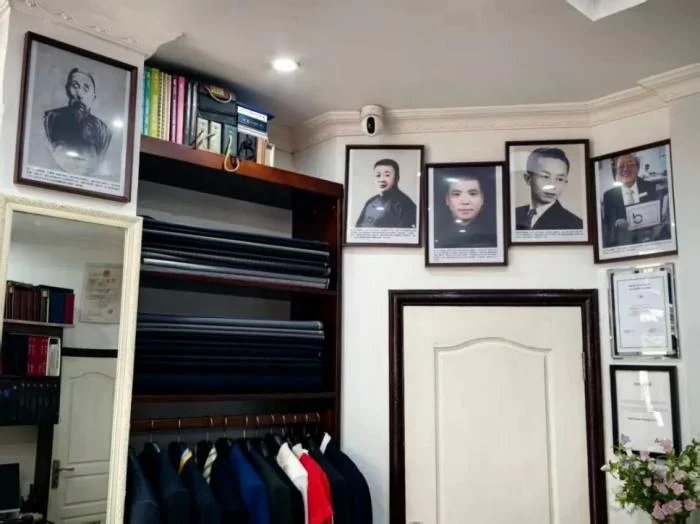

Shanghai bespoke is attracting foreign visitors with tailor-made suits, fast service and immersive experiences, reshaping how travellers engage with the city.
“Bespoke” was once closely tied to London’s Savile Row, where a suit could take months and cost thousands of pounds.
In Shanghai, the idea has taken on a faster pace. Tailor-made suits, glasses and other custom services are now part of many foreign visitors’ itineraries. On a major international travel review platform, customisation has entered the city’s list of top experiences.
A Tradition That Still Shapes the Present
Shanghai’s tailoring culture dates back more than a century. In the early 20th century, the city had hundreds of suit shops, many run by Ningbo tailors known as the “Hongbang” craftsmen.
They blended Western cutting with Chinese techniques and helped shape China’s modern garment industry. Early examples, including the country’s first suit and the Zhongshan suit, emerged from this tradition.
Today, that legacy remains visible. On Maoming South Road, sometimes referred to as “Shanghai’s Savile Row,” long-established tailor shops continue to operate, focusing on handcraft and precise fitting.
Where Demand Becomes Routine
At the South Bund Fabric Market, foreign customers are not just curious visitors — they are regular clients.
English signs such as “Tailor Made” appear throughout the building, and many shop owners can assist customers in basic English. Some tailors say overseas clients account for around 70 per cent of their orders.
Word of mouth brings steady traffic. One visitor places an order, shares the experience, and the next traveller arrives with a recommendation already in mind.
The appeal is practical. A handmade suit often costs far less than a comparable product overseas. Most orders are completed within a week, with faster options available. Shops also offer hotel fittings, free alterations and international delivery.
Behind the storefronts, a wider network supports this efficiency. Fabrics are sourced from nearby provinces, production is handled across the Yangtze River Delta, and Shanghai anchors design and service.
More Than a Purchase
What draws people back is not only price or convenience.
The process itself matters. Customers choose fabrics, discuss styles, return for fittings and make adjustments. The final result reflects their own decisions along the way.
For those who try traditional styles such as qipao or Tang jackets, the experience carries an added dimension. It offers a closer look at Chinese aesthetics through a personal, wearable object.
As Shanghai promotes its customisation sector with improved payment services, streamlined tax refund policies and expanded multilingual support, this model is becoming part of the city’s broader consumer landscape.
For many visitors, it offers a different way to experience the city — not just by seeing it, but by taking part in it.
Additional reporting by CNS, HKCNA.
If you like this article, why not read: Growing Numbers of Chinese Travellers Explore Antarctica


