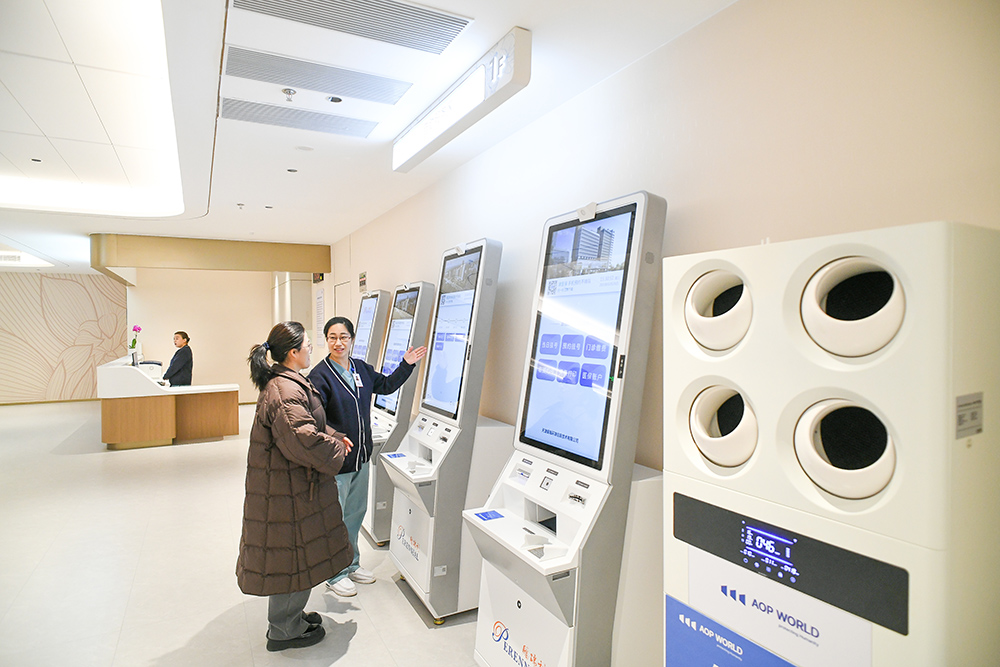

In China, a quiet new workforce—medical companion—is becoming increasingly popular.
In recent years, a range of paid services such as accompanying patients to medical appointments, picking up medicine, and assisting with consultations has become increasingly popular in major cities. As a result, the workforce of medical companions has emerged.
Elderly and urban white-collar workers have become the primary clients of these services.
There are many practical reasons behind the rise of medical companions. The elderly people face many inconveniences when seeking medical treatment. The busy young people lack time to visit hospitals. In addition, there is a strain on medical resources. The medical companion has, in a very practical way, met the needs of such patients.
2026: a crucial year
Many flexible workers have joined the fleets of medical companions.
According to Ma Jian, a medical companion, their work mainly falls into three categories. First, they accompany patients throughout the entire medical visit and provide emotional support. Second, they handle errands such as picking up medications and collecting medical reports. Third, they consult with doctors on behalf of patients or their family members when they are unable to go to the hospital.
However, the current medical companion market still lacks clear standards and entry requirements. Their incomes also vary widely, and there are quite a few underlying risks involved. The presence of chaos and risks in the market calls for timely regulation and oversight by authorities.
Nevertheless, many practitioners believe that 2026 will be a crucial year for the medical companion industry to move toward standardisation, professionalisation, and even formal occupational recognition.
In fact, the medical companions have been developing in China for several years. Over the past year, more than a dozen cities have successively introduced group standards for companion services. Some public hospitals have also begun to offer such services. But to date, the workforce has not yet been included in the national occupational classification system.
The medical companion industry is widely optimistic for the future. But there is an oversupply of medical companions at present, leading to intense competition in both pricing and services.
Main challenges
Acquiring clients is one of the main challenges for medical companions. More companions are attempting to run their own accounts on social media platforms, but it requires continuous investment of time and effort. Companion platforms are also a source for acquiring clients. But companions have limited rights on these platforms, and many require them to provide a medical companion certificate.
Currently, medical companion certificates are mainly issued by industry associations or training institutions. However, a training completion certificate does not equate to a professional qualification and cannot guarantee orders.
Zhou Rong’ai, a medical companion, said that the training focuses more on theory, unfavorable for gaining practical experience.

Standardization urged
Starting in 2025, some officially recognised medical companions began entering public hospitals. In January 2025, Shanghai launched pilot projects in nine districts, including Pudong and Yangpu. By the end of June that year, the first batch of 1,203 medical companions had officially begun working with certificates.
Gu Fen, Deputy Director of the Nursing Department at Huadong Hospital Affiliated with Fudan University, said that most medical staff believed that medical companions can save time for all parties and help ease doctor–patient tensions. She also noted that clear boundaries still need to be established to protect patients’ privacy and other issues. Gu has participated in the formulation of several group standards for medical companions.
According to the Research on New Youth Occupation Trends in Digital Platforms released by the China New Employment Forms Research Centre in December 2025, medical companion has been regarded as one of the emerging workforce with the greatest potential to be incorporated into the national occupational classification system.
Tan Zaixiang, Director of the Health Policy and Health Management Research Centre at Xuzhou Medical University, believes that China should unify industry standards, promote standardised training, and include medical companions in the occupational classification system. At the same time, the government could integrate companion services into the inclusive public service system through service procurement.
Written by Sha Liu, additional reporting by Xinhua and Ecns.cn.
If you liked this article, why not read: China Launches Pilot “PhD + Master’s” Dual-Degree Programs