
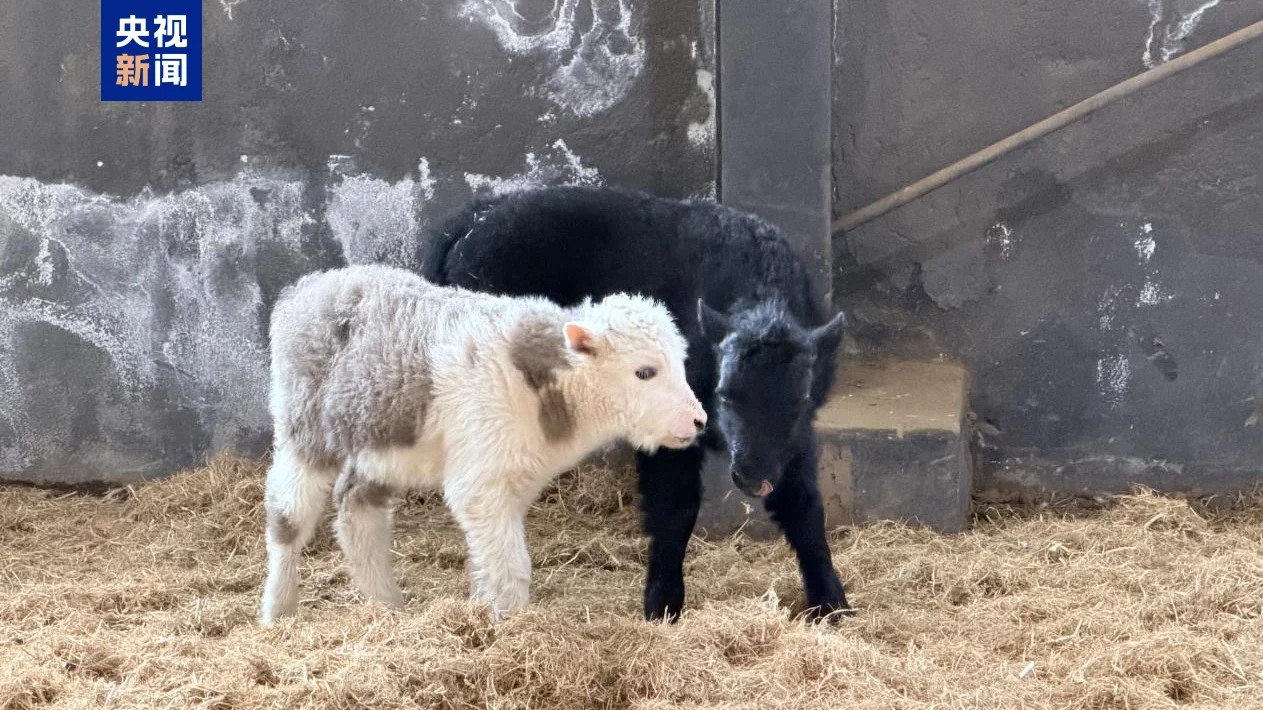

China clones ten yaks in Tibet through natural delivery, marking a step toward large-scale use of cloning technology in livestock breeding.
A Chinese research team has brought yak cloning closer to practical use. In April, scientists in Tibet reported that 10 cloned yaks were conceived and later born through natural delivery. The outcome suggests the technology is moving beyond isolated trials.
Earlier, the team used a method that combines whole-genome selection with somatic cell cloning. They first applied it in July 2025, when the world’s first cloned yak, known as “Namtso No.1,” was born. The animal has developed normally since then.
The latest results build on that early case. Between late March and early April 2026, the team completed its first group pregnancy and full-term births. All 10 calves survived. The use of natural delivery indicates a more stable process with less need for intervention, an important step for wider use.
Yak breeding on the Tibetan Plateau has long depended on visible traits. The process can take up to 20 years and often leads to slow genetic progress. Limited efficiency and inbreeding risks have affected herd quality over time.
The new approach aims to shorten that cycle. By selecting genetic traits in advance and cloning selected individuals, researchers can reproduce desired characteristics with greater consistency. This may help improve herd quality in high-altitude conditions, where low oxygen and strong ultraviolet radiation place added pressure on livestock.
At the same time, Yak husbandry supports local livelihoods across the plateau. It provides meat, dairy and income for herding communities. More efficient breeding could help increase output while easing pressure on grazing land.
Similar cloning methods have also been used in other livestock projects in China, including the cloning of a rare native cattle breed in 2025 aimed at preserving genetic traits. These efforts point to a wider role for cloning in animal breeding.
Additional reporting by CNS and Xinhua.
If you liked this article, why not read: China’s ’Smiling Angels‘ Are Rebounding in the Yangtze River


