
Explore how different cultures mark days of the dead, from the Qingming Festival in China to Day of the Dead and beyond.
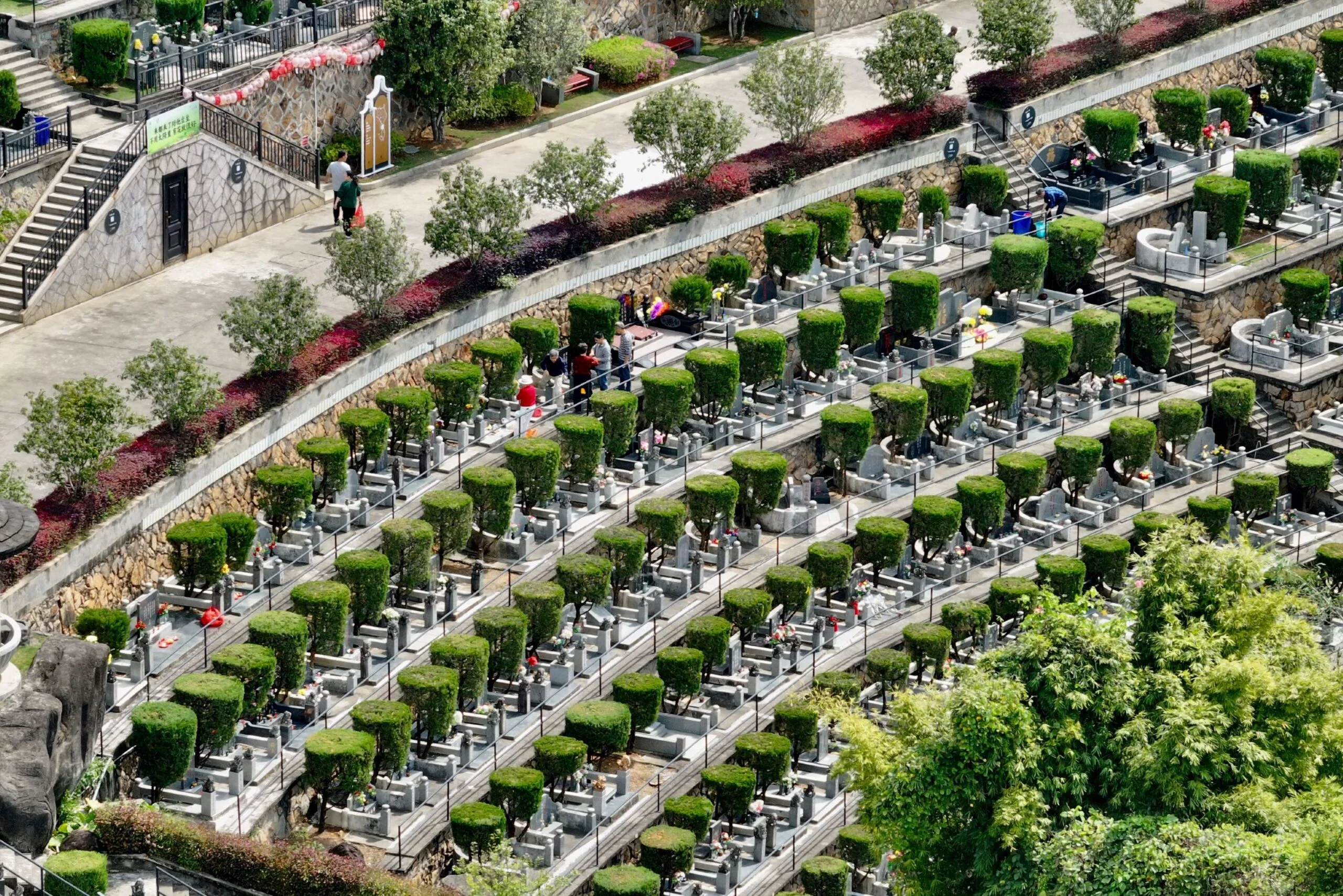
Every year, as spring arrives in China, families visit graves, clean tombstones, and pay their respects to loved ones during the Qingming Festival. At first glance, it may seem like a quiet, local tradition. But across the world, people mark death in ways that are just as meaningful—and often surprisingly different.
From solemn rituals to colourful celebrations, these festivals reveal how cultures understand loss, memory, and the meaning of life.
Different Ways to Honour the Dead
In China, Qingming Festival takes place in early spring. Families sweep graves, offer food, and spend time in reflection. The mood is calm and restrained. Grief is present, but it is gentle and contained.
In Japan, the Obon Festival combines Buddhist beliefs with local traditions. Families welcome ancestral spirits home with lanterns, dances, and rituals. The atmosphere feels warm and communal rather than mournful.
In Europe, All Souls’ Day is marked by visits to cemeteries and church services. People light candles and offer prayers. The tone is formal and reflective, rooted in Christian beliefs about the soul.
Then there is Mexico’s Day of the Dead. Bright colours, music, and food fill the streets. Families build altars with photos and favourite dishes of the deceased. Many people recognise this festival through Coco, but in real life, it is just as vivid. Here, death is not hidden—it is welcomed as part of life.
What These Traditions Share
Despite their differences, these festivals serve similar purposes.
They create space for grief, help families reconnect, and turn memory into something visible—through food, light, ritual, or gathering.
More importantly, they answer the same quiet questions: What does it mean to lose someone? How do we continue after death? And how do we keep a connection with those who are gone?
Each culture offers its own response, but the emotional core is shared.
A Different Perspective from China
Among these traditions, Qingming Festival stands out for its focus on continuity.
In Chinese culture, death is not seen as a complete ending. It marks a change in form. The dead live on through family lines, shared memory, and inherited values. Remembering ancestors is not only about the past—it shapes how people understand who they are today.
This perspective also keeps attention on the present. Honouring the dead is a way to guide the living. It encourages people to value family, live responsibly, and carry forward traditions.
Across cultures, death is universal. But how people respond to it is deeply shaped by history, belief, and everyday life.
These festivals do more than remember the dead. They remind the living how to live.
If you liked this article, why not read: Why More Chinese Families Are Choosing Sea Burials