
China’s nomination of Hezhen Yimakan storytelling was added to UNESCO intangible cultural heritage list.
At its 20th regular session in New Delhi on December 11th, the Intergovernmental Committee for the Safeguarding of the Intangible Cultural Heritage decided to move China’s “Hezhen Yimakan storytelling” from the List of Intangible Cultural Heritage in Need of Urgent Safeguarding to the Representative List of the Intangible Cultural Heritage of Humanity.
Additionally, the committee also decided to include the safeguarding program for Hezhen Yimakan storytelling in the Register of Good Safeguarding Practices.
This achievement marks another successful transition of a heritage project into the representative list. It’s also the first instance of a project that has been simultaneously transitioned and added to the Register of Good Safeguarding Practices.
The Hezhe people live in the Heilong-Songhua-Ussuri-river region of northeastern China. With a population of just over 5,000, they are among China’s smallest ethnic groups.

Passed Down through Generations Orally
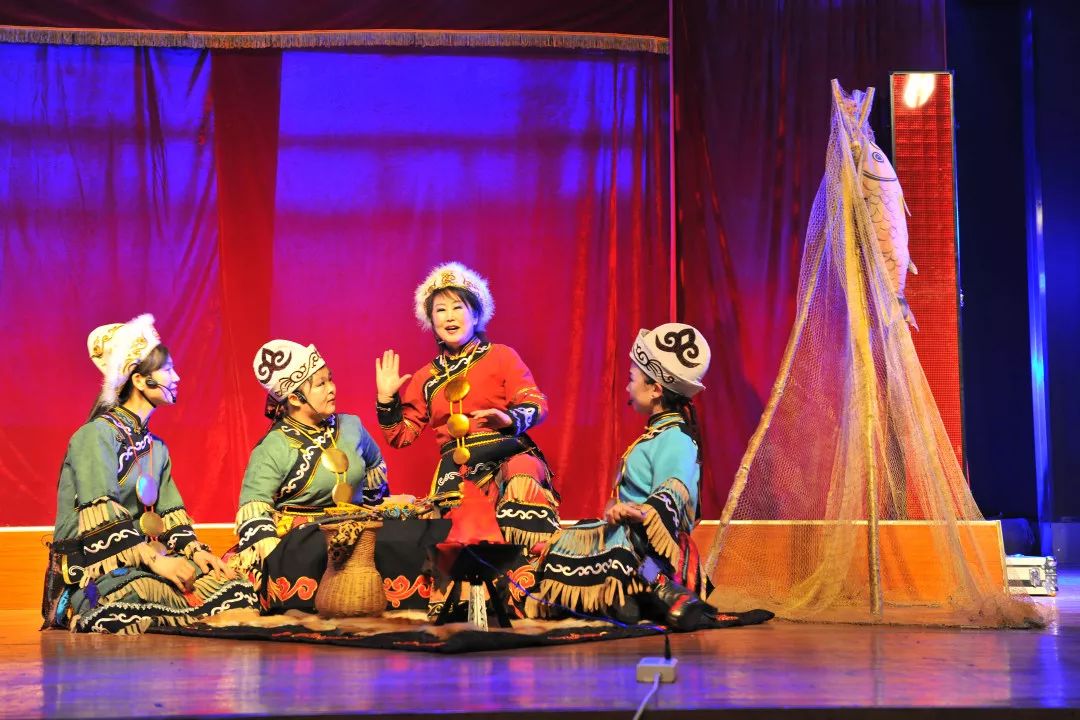
Yimakan storytelling is a rich oral tradition that has been passed down through generations. Narrated in the Hezhen language, and taking both verse and prose forms, Yimakan storytelling consists of many independent episodes depicting tribal alliances and battles, including the defeat of monsters and invaders by Hezhen heroes.
This oral heritage highlights the defence of ethnic identity and territorial integrity. It also preserves traditional knowledge of shamanic rituals, fishing and hunting. Yimakan performers improvise stories without instrumental accompaniment, alternating between singing and speaking, and make use of different melodies to represent different characters and plots.
In December 2023, when China submitted the third periodic report on the safeguarding status of this heritage project to UNESCO, it also applied for its transfer to the Representative List. The committee reviewed and approved this report at its 19th session in December 2024. It recognized China’s efforts and encouraged ongoing practice and transmission, with an emphasis on community involvement in protective measures.
China now has 45 projects included in UNESCO’s intangible cultural heritage lists, the highest number of entries of any country in the world.
Written by Sha Liu, additional reporting by Xinhua, China Daily and CGTN.
If you liked this article, why not read: 【Beyond the Scene】From Desert Oases to World Stage: The Twelve Muqam, A Cultural Treasure in Xinjiang