
Explore the Liulihe Site, ancient capital of the Yan Kingdom and the origins of Beijing, with its city walls, tombs, and ruins.
On September 22, Beijing launched the Liulihe Site Archaeology Research Alliance, bringing together multiple Chinese archaeological institutions. The alliance aims to carry out joint excavations and research, marking a new phase of collaborative exploration.

A City Revealed
The Liulihe Site is located in the Beijing-Tianjin-Hebei region. It dates back to the Western Zhou period and is believed to be the capital of the Yan Kingdom. Archaeologists see the site as a key to understanding early urban development in Beijing, the history of Yan, and cultural exchanges between northern and southern China.
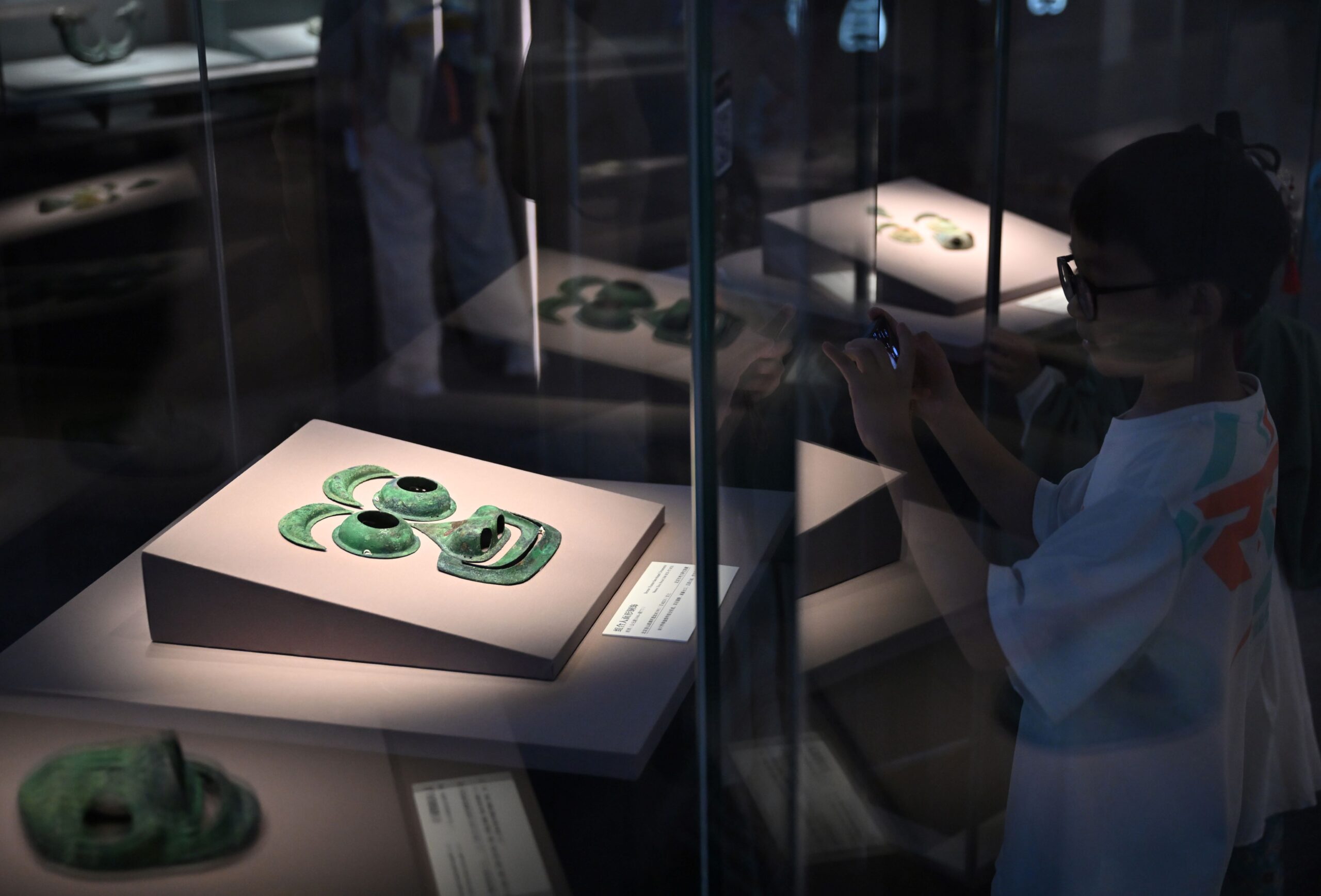
Over the past 60 years, archaeologists have uncovered multiple city walls, large buildings, and well-preserved tombs, along with numerous valuable artefacts. Recently, discoveries expanded the city’s area from less than 600,000 square meters to around 1 million square meters, revealing outer walls and moats for the first time. This makes Liulihe the first Western Zhou vassal state site with a clearly defined inner and outer city layout, suggesting a more advanced urban plan.
Inside the city, archaeologists found large rammed-earth structures and wells, arranged in combinations never seen before in Western Zhou sites. In particular, in the northern centre of the inner city, they uncovered the largest rammed-earth building of its kind, along with oracle bones, sacrificial pits, and high-status building materials. These finds offer clues about the lifestyles of the Yan Kingdom’s elite residents.

Tombs and Stories
Outside the city, a planned cemetery has also been explored. Archaeologists discovered 17 tombs with passageways, likely belonging to the Yan rulers’ family. These tombs help date the city more precisely and may reveal stories about the Yan rulers that history books have never recorded.
Overall, each new discovery at Liulihe allows us to peek into the past. The ruins reveal a carefully planned city, a vibrant society, and the origins of modern Beijing.

Additional reporting by CNS.
If you liked this article, why not read: Staying Cool, the Ancient Chinese Way