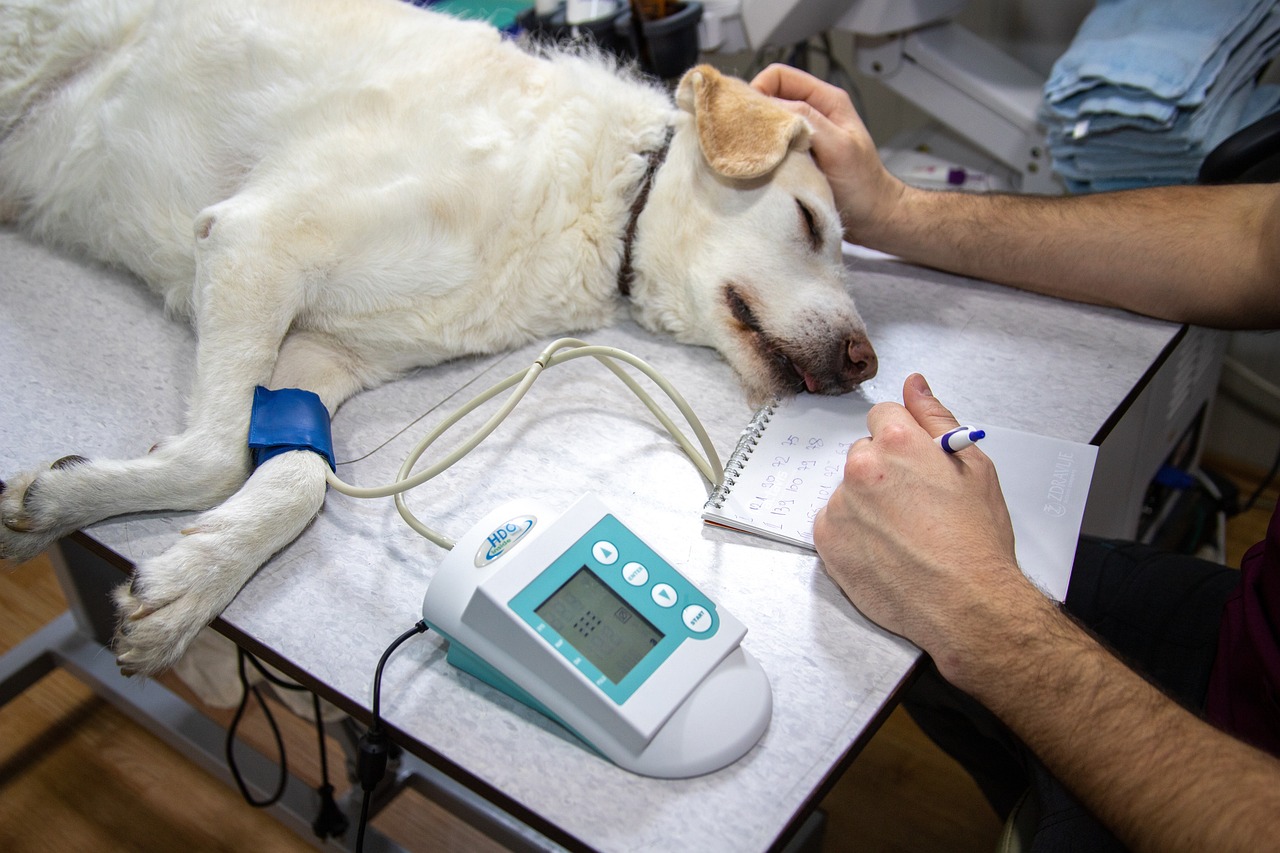

China Agricultural University (CAU) has launched China’s first undergraduate program focused on companion animals. The new program aims to meet the rising demand for talent in the growing pet industry.
Specifically, the College of Animal Science and Technology at CAU will offer the four-year program. Graduates will receive a bachelor’s degree in agricultural science. Unlike traditional animal science programs that focus on livestock like pigs, cattle, and sheep, this program centers on pets such as cats, dogs, and horses.
To provide students with specialized skills, the curriculum covers a range of topics. Students will study breed variety, nutrition and metabolism, feed processing, reproductive physiology, and the welfare and behavior of companion animals. This year, the program will admit 50 undergraduate students.
Explaining the program’s focus, Liu Guoshi, vice-dean of the College, said, “Companion animals live closely with humans, engage in emotional exchanges, and bring happiness to people’s lives. This is why we commonly call this the ‘pet’ major.”
Moreover, Liu emphasized that the program meets market needs. The pet industry has become a major growth driver in animal science. It now requires a large pool of professionals with expertise in companion animal care.
In addition, Liu noted the rising demand for pet-related professionals in universities, research institutes, animal clinics, and management organizations.
The program marks a significant shift in Chinese higher education. It reflects a move away from traditional, supply-driven majors toward demand-led disciplines that support emerging industries.
In line with this trend, China’s Ministry of Education (MOE) has urged universities to align academic programs with economic priorities. In its 2025 graduate employment notice, the MOE called on universities to anticipate labor market changes and roll out new, relevant programs quickly.
China’s booming pet economy further highlights the urgency of this transformation. In 2024, urban households owned more than 120 million cats and dogs. Consequently, this surge in pet ownership drove a market worth over 300 billion yuan.
However, despite this rapid growth, the supply of trained professionals still falls short. China now has about 500,000 registered pet-related businesses. These range from pet food and supplies to grooming, insurance, and behavior training. Yet the industry faces severe labor shortages.
For example, in veterinary care alone, more than 30,000 pet hospitals operate with just 40,000 certified veterinarians. That’s barely one vet per clinic.
Highlighting the problem, Yan Jinsheng, vice chairman of the China Pet Industry Association, said, “The shortage of skilled professionals is one of the biggest challenges to the industry’s healthy development.” Yan noted that nearly every sector—from grooming and health care to behavior training—is struggling with staffing gaps.
Written by Yi Shen, additional reporting by CCTV News, China Daily and Xinhua.
If you liked this article why not read: China to Display New Equipment at September Military Parade