
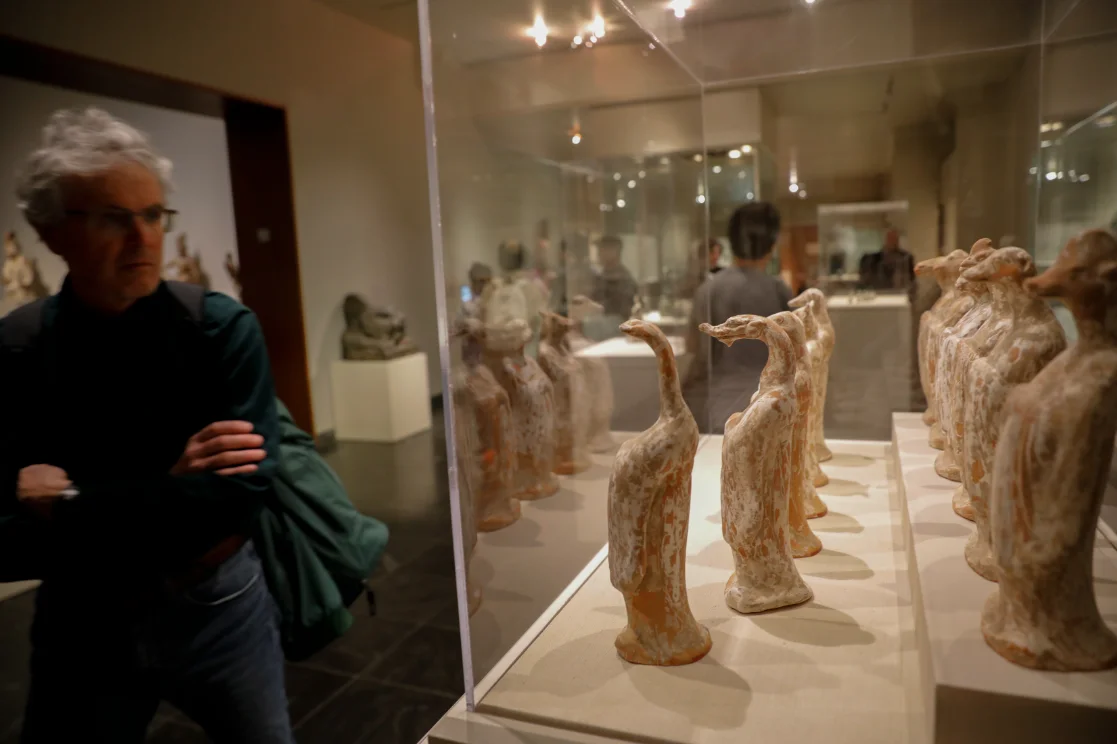


Ancient Chinese zodiac figurines are being reimagined through digital technology, transforming from tomb guardians into vibrant cultural icons for a new era.
Have you ever come across delicate clay sculptures representing the 12 animals of the Chinese zodiac? Known as zodiac figurines, these charming works stand out among ancient relics for their distinctive forms and lively character.
For centuries, these humble clay figures lay dormant underground. Today, however, with the help of modern technology, they are gaining renewed attention and taking on new life in the digital age.
What Are Zodiac Figurines?
Zodiac figurines are handcrafted clay sculptures depicting the twelve animals of the Chinese zodiac, including the Rat, Ox, Tiger and Rabbit. Each figure has its own unique appearance and reflects remarkable craftsmanship.
In ancient China, these figurines were commonly made as burial objects with protective significance. Many people believed in an afterlife, so zodiac figurines were placed in tombs as companions and spiritual guardians for the deceased.
The twelve zodiac animals were traditionally thought to ward off evil spirits and protect the tomb owner’s soul. Arranged in fixed positions according to directional beliefs, they formed a symbolic protective system within the burial site.
In addition to their protective role, zodiac figurines also reflected traditional concepts of time. In ancient China, people used the twelve zodiac animals to mark years and identify a person’s birth year.
They also reflected people’s hopes for good fortune and safety. With great care, artisans shaped and fired these clay figures, believing the zodiac animals could bring blessings and protection.
From Underground Relics to Cultural Symbols
For centuries, zodiac figurines remained buried in ancient tombs. It was only through archaeological discoveries that they reappeared in the public eye.
Over the years, Excavations continue to reveal their cultural and historical value.
In Wuzhuang Village in Xi’an, archaeologists uncovered more than 760 tombs dating from the Han and Tang dynasties to the Ming and Qing dynasties. Zodiac figurines found in the Tang Dynasty tomb of Fan Ning have helped fill gaps in historical records and provided valuable evidence for the study of ancient burial customs.
Today, museums display these once-hidden figurines, allowing the public to view them and researchers to study them. Through exhibitions, publications and digital media, more visitors — especially younger generations — are discovering the stories behind these ancient artworks.
People regard zodiac figurines as valuable cultural relics that offer insights into China’s past. They reveal important aspects of ancient lifestyles, spiritual beliefs and aesthetic traditions. Through them, people can glimpse traditional clothing, craftsmanship and artistic tastes, while also gaining a better understanding of how people in the past viewed time, life and the world around them.
Over time, zodiac figurines have become one of the most recognisable symbols of Chinese cultural heritage.
Digital Technology Revitalises Ancient Zodiac Treasures
In the past, visitors could only view cultural relics from behind glass. Today, digital technology is transforming that experience.
Advanced 3D scanning techniques can capture and preserve every detail of zodiac figurines, including their finest textures and surface features. Through digital modelling, each artefact gains its own digital twin.
Many museums across China have launched online exhibitions that allow users to zoom in and explore 3D models of zodiac figurines from every angle.
Meanwhile, artificial intelligence (AI) is also opening new ways to interpret cultural heritage. AI-powered tools can help zodiac figurines “tell their own stories,” introducing their origins and cultural meanings in more engaging ways.
One example is the collaboration between Lingjing · People’s Art Museum and the Mausoleum of the First Qin Emperor Museum. Together, they launched a series of zodiac-themed digital Qin figurines that combine the image of the Terracotta Warriors with zodiac culture. The project quickly attracted public attention and became a popular cultural IP.
In addition, augmented reality (AR) technology is further enhancing the experience, allowing visitors to view reconstructed historical scenes through their mobile devices.
As interest in zodiac culture continues to grow, these ancient figurines are moving beyond museum collections. They now appear in cultural products, animation, digital art and contemporary design, bringing the charm of traditional Chinese culture to new audiences.
Written by Sha Liu, chart created by Di Wang, additional reporting by CNS.
If you liked this article, why not read: How China’s “Shouted Opera” Is Winning Over Gen Z Worldwide


