
The Jiangkou Sunken Silver Museum in Sichuan opens to the public, displaying more than 7,000 gold and silver artefacts from major Ming dynasty discoveries.
On March 3rd, a media open day was held at the Jiangkou Sunken Silver Museum in Pengshan District, Meishan City, Sichuan Province. More than 7,000 cultural relics went on display the same day, as the museum opened its doors to the public for the first time.
The museum stands next to the Jiangkou treasure site, where archaeologists have carried out large-scale excavations in recent years. The building covers 36,300 square meters, with about 7,800 square meters dedicated to exhibition space. It is the only museum in China dedicated to gold and silver artefacts.
Archaeologists believe the treasure dates back to the mid-17th century, when the forces of Zhang Xianzhong were defeated in Sichuan. Large amounts of gold and silver were lost in the river. Since then, the Jiangkou site has yielded a series of major discoveries.
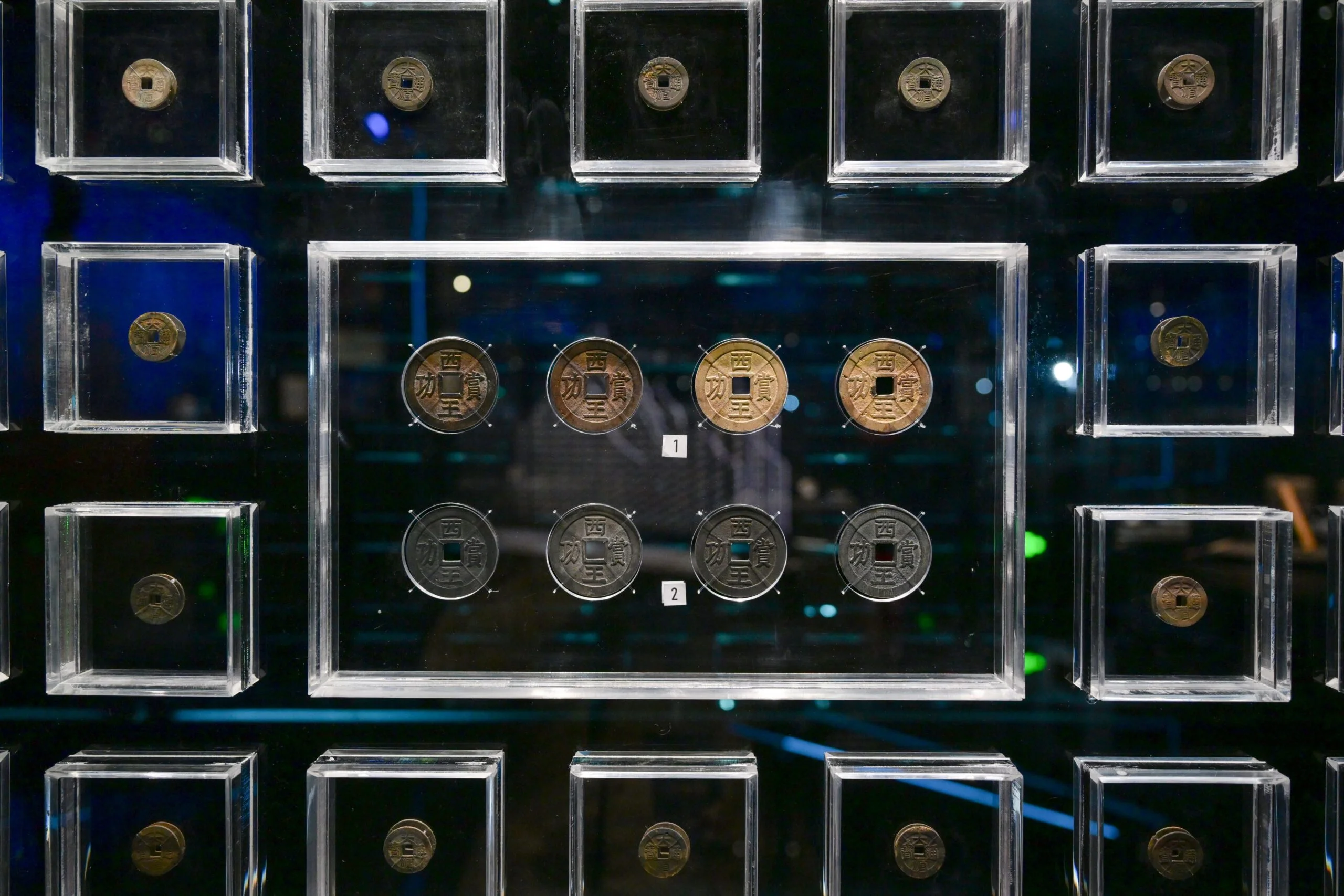
More than 200 gold and silver coins inscribed with the words “Xi Wang Shang Gong” have been recovered. Before this excavation, only three such coins were known to exist in collections across the country.
In addition, more than 20 pages of gold and silver imperial edicts have come to light. These documents record the conferment of titles on members of the Ming royal family, including princes, heirs, commandery princes and consorts.
Researchers have also unearthed more than 500 official silver ingots weighing 50 taels each and bearing inscriptions. These ingots provide direct material evidence for the study of the taxation system of the Ming dynasty.
Meanwhile, Archaeologists have recovered over 4,500 pieces of gold and silver jewellery. These items offer insight into the craftsmanship and decorative styles of the period.


If you liked this article, why not read: Ancient China’s Earliest Kept Wild Animals Discovered at Yin Ruins.