
AI can now create masterful art, but human creativity remains essential. Experts reveal how artists use AI as a tool, not a replacement, while ethics and control stay in their hands.
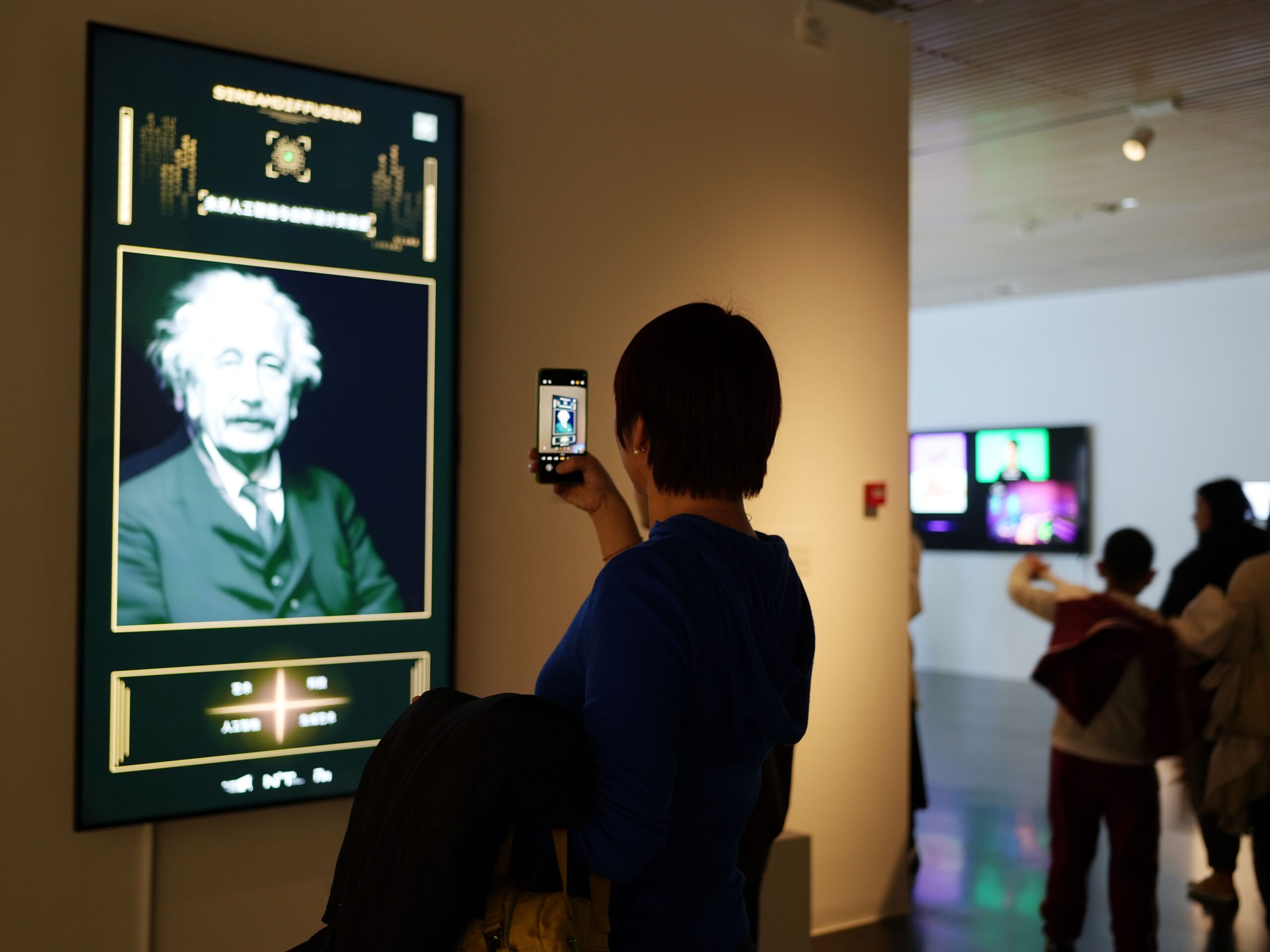
Artificial intelligence is changing the way art is made. Today, AI can paint, generate images, and even imitate the style of famous artists. But as these tools become more powerful, a pressing question arises: what can only humans do?
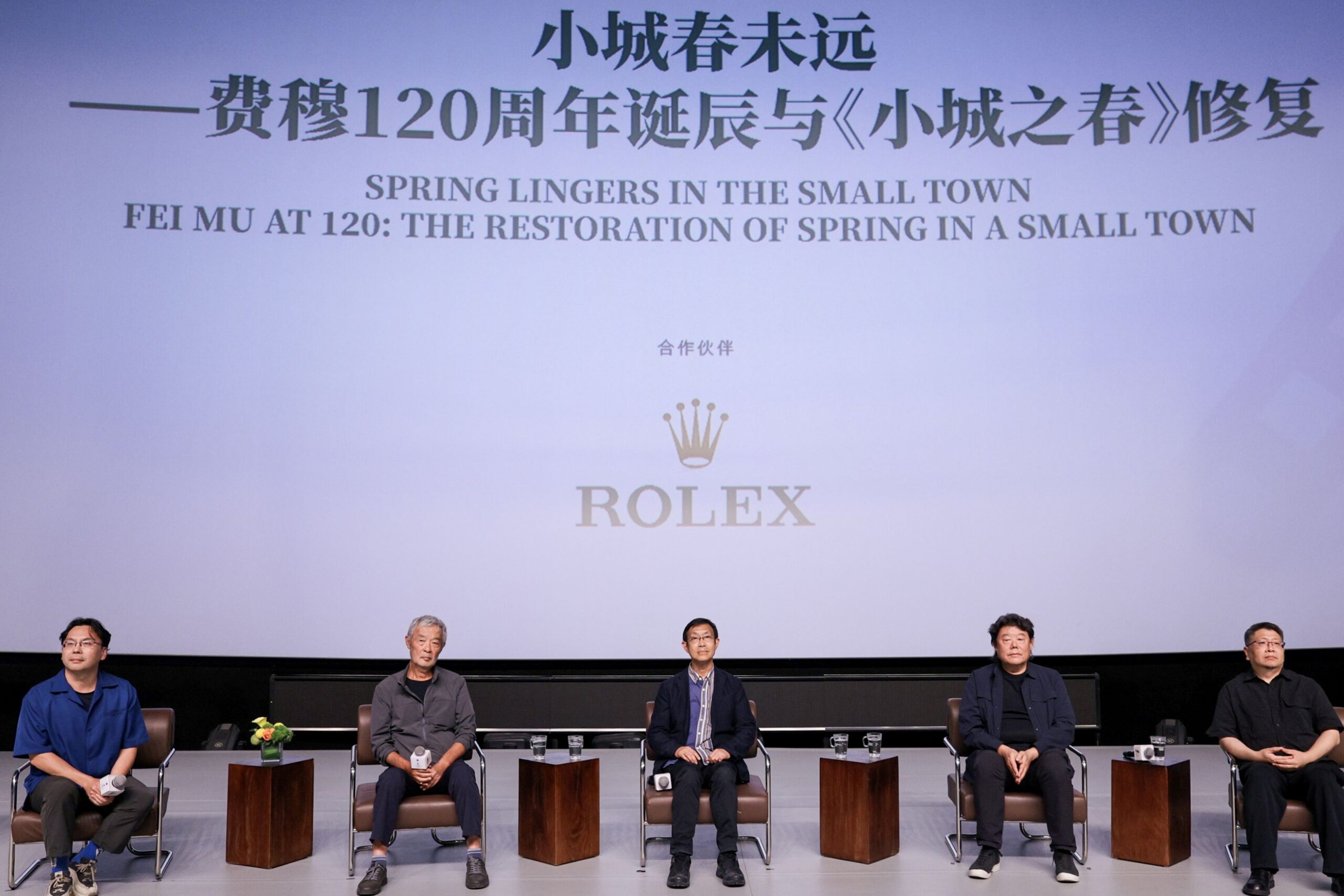
At a recent forum in Beijing, two leading experts—Jonathan Freeman, professor at Goldsmiths, University of London, and director of the CoSTAR Foresight Lab, and Luba Elliott, Honorary Senior Research Fellow at the UCL Centre for Artificial Intelligence—shared their insights on how AI is shaping creativity and the role of the artist.
AI as a Tool, Not a Replacement
Freeman made it clear: AI should empower artists, not replace them. “It’s about control,” he said. “Artists should guide the tools, not be defined by them.”
He also highlighted transparency and ethics. “Where does the data come from? Who wrote the code? Are there hidden or explicit biases?” Freeman warned that understanding these questions is key to using AI responsibly. When artists stay in control, AI becomes a partner, expanding imagination rather than taking over.
Artists at Work with AI
Luba Elliott has worked with creative AI since 2016. She recalled how early experiments like DeepDream produced colourful, surreal images that inspired artists worldwide. Over the years, she has curated projects that show how AI can be used in imaginative ways, from evolving shapes that challenge how machines “see” the world to datasets built by artists themselves to generate original visuals.
For example, artist Anna Ridler photographed thousands of tulips to train an AI model, then displayed both the generated video and the original dataset. “This shows the human effort behind AI systems,” Elliott said. Other projects explored how AI sees faces, objects, or patterns differently from humans, creating art that surprises both the artist and the audience.
What Remains Uniquely Human
Both speakers agreed on one point: AI can mimic, but it cannot choose or judge.
AI can produce images, remix styles, or speed up creation. But the meaning, intention, and context remain human responsibilities. Creativity is not just about what is produced—it’s about deciding what matters.
Freeman and Elliott see the future as collaborative. Artists who understand AI, challenge its assumptions, and guide its use will shape the next generation of art. In this vision, AI is a powerful tool, but the human imagination remains the driving force.
Written by Chen Wang, Additional reporting by Chenhui.
If you liked this article, why not read: Can AI Truly Understand China? Cambridge Historian Says Not Yet