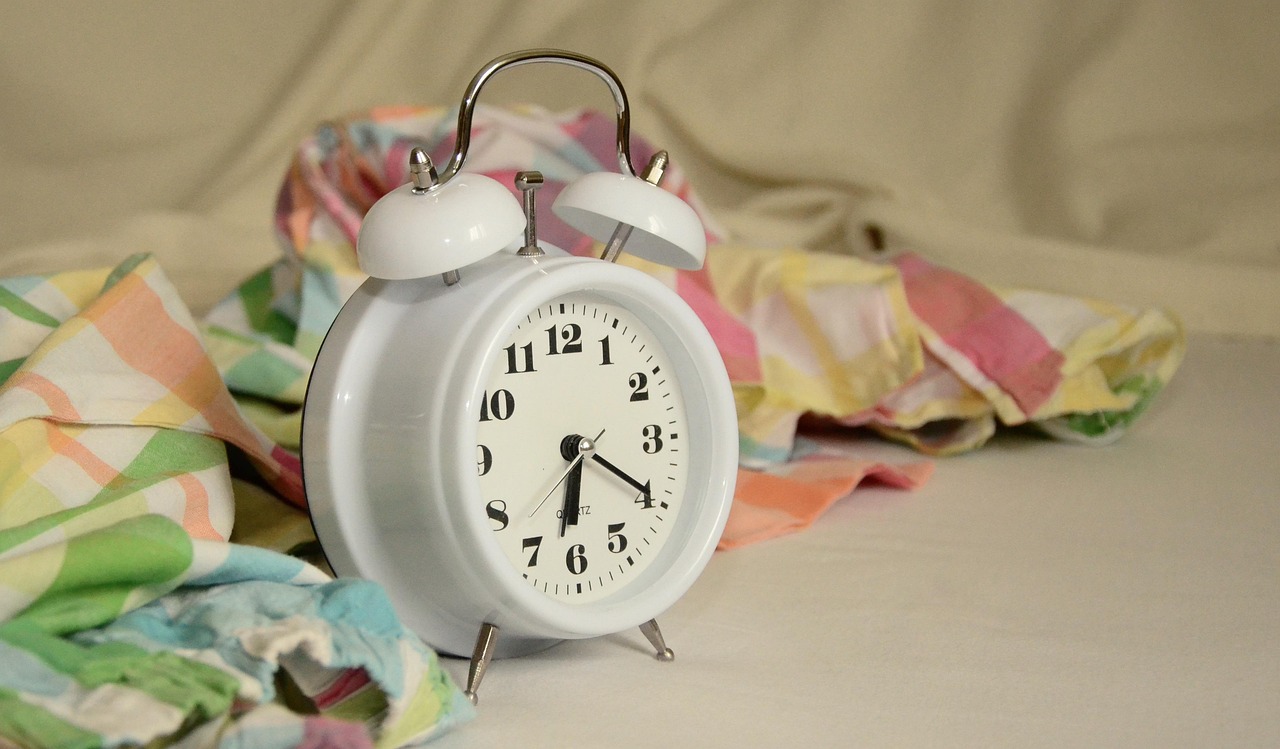

Cui Jiaojiao, a 31-year-old property agent in Beijing, has tried almost everything to fall asleep. Plagued by sleepless nights, she has built an arsenal of sleep aids — steam-heated eye masks to ease fatigue, pillow mists to calm her mind, and a sleek wearable device to track her elusive rest.
“The real estate market is volatile, and your mind races,” Cui said. “You just lie there, waiting for morning. I buy these products because I’m investing in my ability to sleep.”
Cui represents millions of urban Chinese professionals chasing the same goal — a good night’s sleep. However, what was once a private struggle has now turned into a booming business. In fact, sleeplessness has fueled the rise of a fast-growing multibillion-yuan “sleep economy.”

This surge no longer surprises experts. Once a niche sector, the sleep market now thrives in the mainstream. It reflects the mounting stress of a hypercompetitive economy, the “always-on” digital culture, and the anxiety of a rapidly changing society. Consequently, more people are turning to products and services that promise better rest.
Meanwhile, new data reveals the scale of the problem. Cloud-based commerce platform Flywheel reported that by 2025, more than 500 million Chinese people struggled with sleep disorders. Furthermore, about 38.2 percent of adults suffered from insomnia.
Amid Beijing’s fast-paced energy, new havens of rest are emerging. One afternoon, Zhang Yunhao — a 29-year-old coder at an internet company — reclined inside a softly lit sleep pod. Outside, the city pulsed with noise and motion. Inside, however, silence wrapped around him.
Zhang visited a sleep experience center in Haidian district, a hub for tech firms and high-pressure jobs. Here, customers don’t shop — they rest.
“It’s not big, but it’s enough for a nap,” Zhang said during his lunch break. “Finding a quiet place to rest in first-tier cities is tough. This place solves that. They offer earplugs, a steam eye mask, and a sleep device. It feels relaxing.”
Indeed, such centers are multiplying quickly. A search on review platform Dianping for “sleep” or “sleep aid” in Beijing shows a growing ecosystem of similar venues. Prices range from a few dozen yuan to several hundred. Generally, these businesses fall into two categories. Some rely on technology — offering sleep machines or hyperbaric oxygen chambers. Others focus on therapy — using sound baths, aromatherapy, and guided meditation sessions.
At the same time, the number of sleep-aid products continues to surge online. On e-commerce platforms such as Taobao and JD.com, a search for “sleep-aid” yields thousands of results — from melatonin and sleep patches to essential oils, smart mattresses, and monitoring devices. In addition, prices vary widely, making the products accessible to both budget buyers and luxury consumers.
According to iiMedia Research, the sleep-aid market will keep expanding. It’s projected to reach 658.7 billion yuan by 2027 and surpass 1 trillion yuan by 2030. As a result, investors and companies are rushing to capture this new wave of consumer demand.
Wang Peng, associate research fellow at the Beijing Academy of Social Sciences, explained the trend: “A fast-paced lifestyle, work stress, and emotional issues have led more people to develop sleep problems. As consumers, they now value sleep health and are willing to spend on professional products to improve it. This demand is driving the growth of China’s sleep economy.”
Ultimately, China’s sleepless nights are giving rise to a booming industry. Yet for millions like Cui Jiaojiao, the real reward remains simple — the hope of finally closing their eyes and resting easy.
Written by Yi Shen, additional reporting by China Daily.
If you liked this article, why not read: Meet Xiao An: The Robot Teacher Redefining and Challenging Education