
China’s tea industry is going high-tech. AI, smart farms, and automated production are changing how tea is grown, processed, and enjoyed.
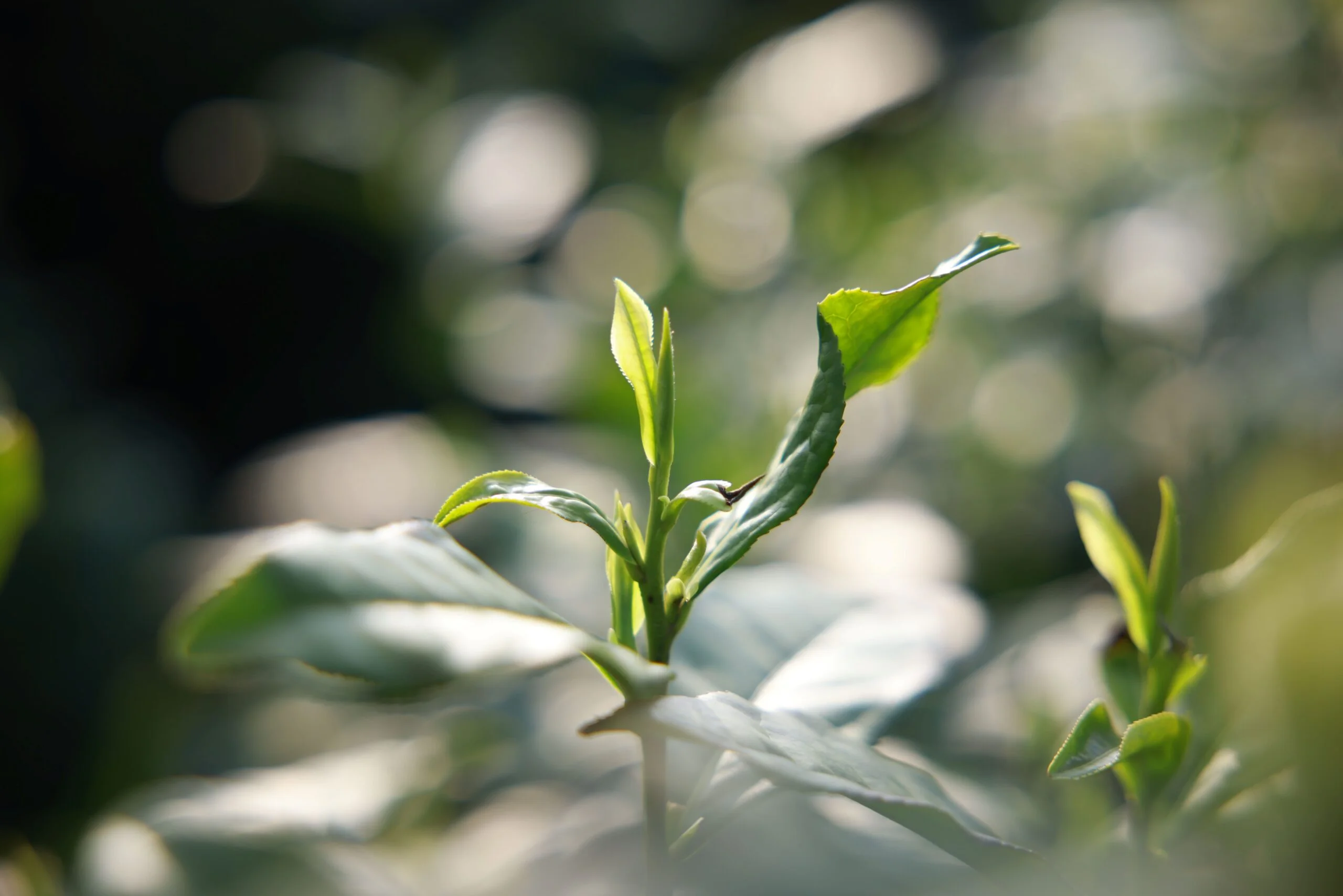
Each year around Qingming Festival, tea farmers across China enter the busiest harvest season. Fresh tea leaves are picked by hand on misty hillsides, from Yunnan to Fujian and Sichuan. This scene has remained largely unchanged for generations.
But behind the traditional harvest, the industry is shifting. Sensors, satellites, and automated systems are now part of daily tea production. Tea is no longer just an agricultural product. It is becoming a data-driven industry.
In some tea gardens, a monitoring network connects the sky, land, and soil. Satellites and drones track plant health. Ground sensors measure temperature and moisture in real time. Farmers can respond quickly to changes and improve yield and quality.
At the same time, mechanical tools are entering the fields. Portable picking devices can collect tender leaves with speed and precision. These tools reduce labour intensity while keeping quality stable.
Smarter Processing and AI Applications
The biggest changes happen after the leaves are picked. In processing plants, traditional craftsmanship is being combined with automation.
In eastern China, fully automated production lines now handle the entire process, from fresh leaves to finished tea. These systems run continuously and maintain stable quality. They also shorten production cycles and reduce contamination risks.
Experienced tea makers still play a key role. Their knowledge is translated into digital systems. Instead of working directly on the production line, they supervise quality and adjust parameters. Their skills are now embedded in machines.
Artificial intelligence is also entering the consumer side. New systems can analyse personal health data and suggest customised tea blends. A user only needs to stand in front of a device for a short scan. The system then generates a tea recipe based on body conditions and seasonal factors.
This shift connects tea with health, technology, and personalised consumption.
A Growing Global Market
Technology is also helping China expand its role in the global tea market. One example is matcha, a powdered tea widely used in drinks and desserts.
In recent years, demand for matcha has grown rapidly worldwide. Producers in southwest China are scaling up production and improving quality standards. Many have shifted from selling raw leaves to producing high-value processed tea.
Exports now reach markets in North America, Europe, and Asia. Some regions are building large-scale matcha processing facilities and specialised tea plantations. This allows for a consistent supply and better control over safety and quality.
At the same time, stricter farming practices are being adopted. Many tea gardens now avoid chemical pesticides and rely on organic fertilisers. This responds to global demand for safer and more sustainable products.
Tea has been part of China’s culture for centuries. Today, smart farms, automated processing, and AI-driven tools are helping farmers improve quality and efficiency. These innovations extend tradition rather than replace it, allowing tea from Chinese hillsides to reach consumers worldwide with consistent taste, safety, and reliability.
Written by Chen Wang, additional reporting by CNS, HKCNA.
If you liked this article, why not read: Tea Farmers ‘Call the Mountain’ as Longjing Tea Buds Emerge