
Explore the “Poet of the Piano: Chopin” exhibition at Suzhou Museum, featuring rare manuscripts, letters, personal items, and live performances.
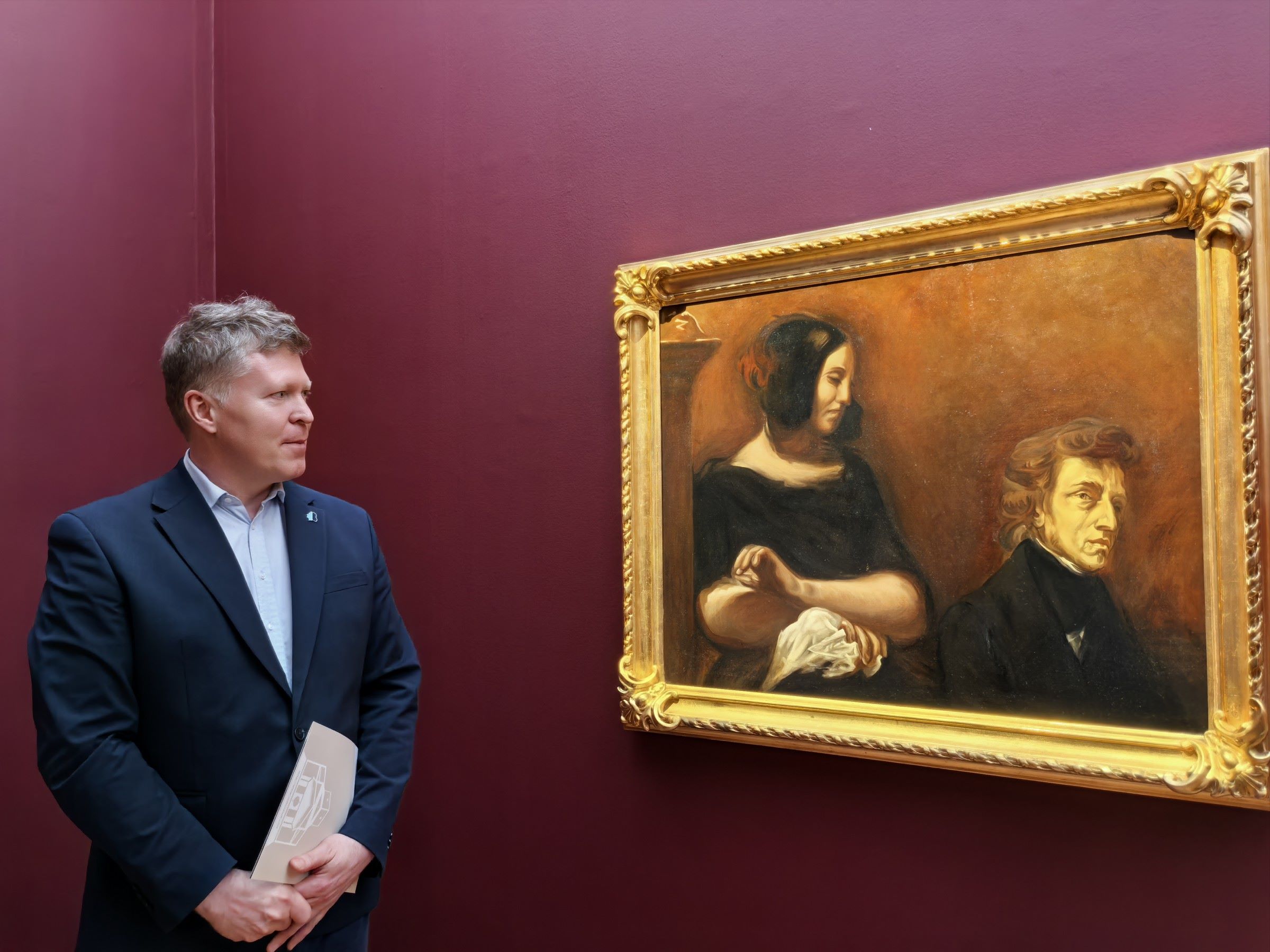
The Suzhou Museum has opened “Poet of the Piano: Chopin,” a special exhibition celebrating the life and work of the Polish composer Frédéric Chopin. Running from April 1st to June 28th, the show presents 57 items from the Fryderyk Chopin Museum and the National Fryderyk Chopin Institute in Poland. These include handwritten scores, letters, portraits, and personal belongings, with four pieces displayed in China for the first time, such as the manuscript of the Cello Sonata in G minor.
The exhibition is organised into three sections. The first explores Chopin’s personal effects and creative manuscripts, offering insight into his daily life and relationships. The second focuses on family letters and items reflecting his social and cultural environment. The third highlights memorabilia from later generations, including medals awarded at international Chopin piano competitions, showing how his music continues to inspire pianists around the world.
Chopin’s music has a wide and lasting appeal. “The piano was a constant companion for I.M. Pei while he designed the Suzhou Museum,” says Xie Xiaoting, director of the museum. “Chopin’s notes and the architecture of the museum create a dialogue across time and space.” The exhibition aims to reflect that connection by combining historical artefacts with live music performances, offering a more complete view of the composer’s art.
Cultural exchange is another key focus. In recent years, Chinese pianists have gained recognition at the International Chopin Piano Competition. Seweryn Kuter, director of the Chopin Museum, notes that these performers bring both strong technique and emotional depth to Chopin’s music. The exhibition gives visitors in China a closer look at his life and work, while also highlighting the global reach of his influence.
During the exhibition, the Suzhou Museum will host live concerts featuring Chopin’s compositions. Visitors can hear his works performed in the same space as the artefacts, bringing together sound and history. This combination of letters, manuscripts, and live performance creates a more direct and engaging experience.
If you liked this article, why not read: Gold, Power and Downfall: The Haihun Marquis Tomb and the 27-Day Emperor Liu He