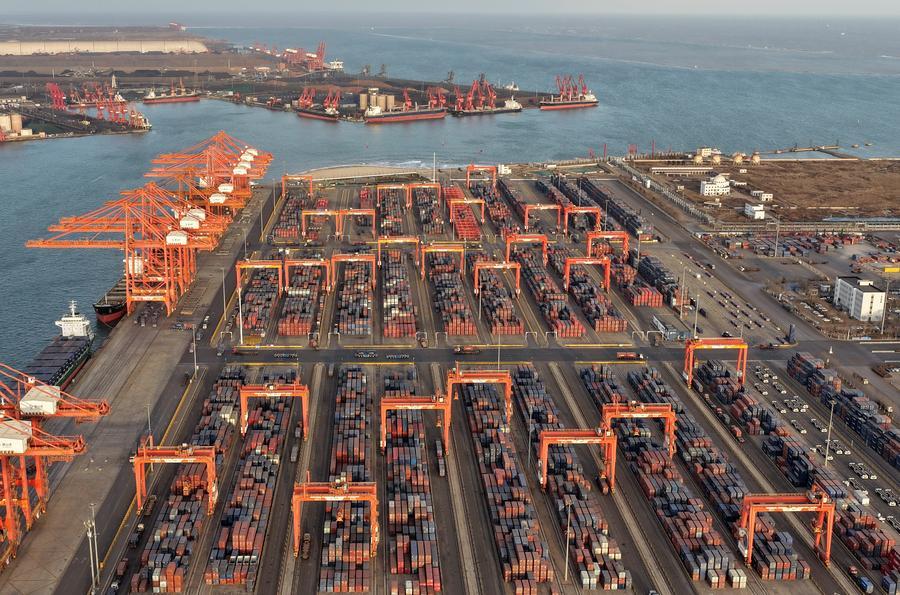
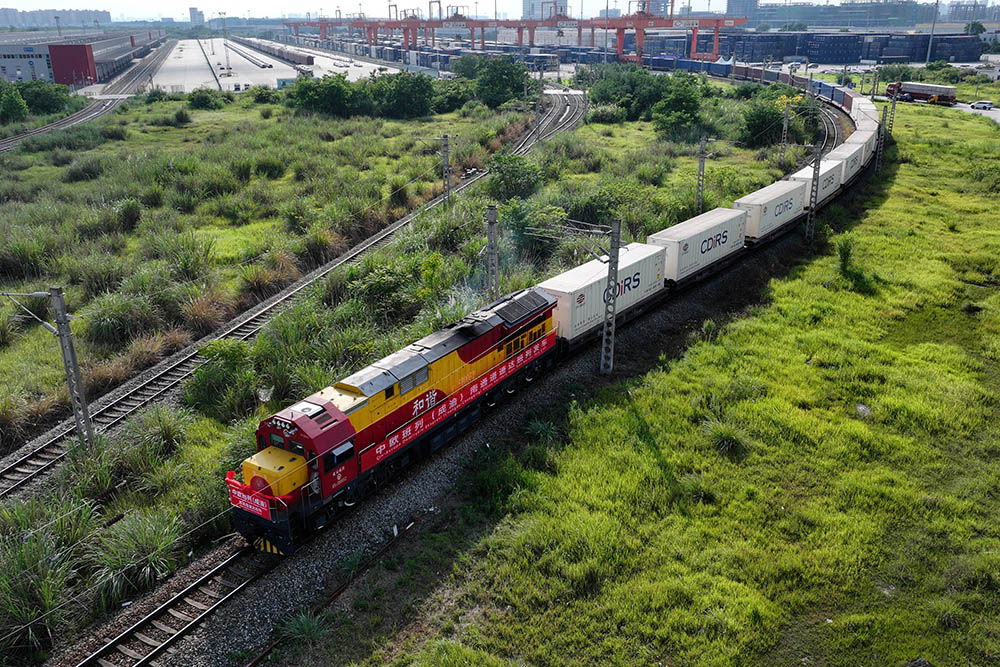
At midnight on Feb. 17th, the first day of the Year of the Horse, a train whistle echoed through Chengdu International Railway Port. A China-Europe freight train laden with “Sichuan-made” goods slowly pulled out, heading for Minsk, Belarus, more than 8,000 kilometres away. Thanks to this major rail artery, the delivery time for these goods to reach Europe has been cut from 40 days by sea to just over 10 days.
How does an inland city nestled beneath snow-capped mountains bring the world so close? Chengdu’s answer lies in three elements: connectivity, industry and lifestyle.
From Inland Hinterland to Global Stage
Salmon from the deep waters of Northern Europe can go from being caught to landing on dining tables in Chengdu in less than 48 hours. Auto parts made in Chengdu can be delivered to overseas factories within 72 hours. This level of logistics efficiency, unimaginable a decade ago, is now an everyday reality.
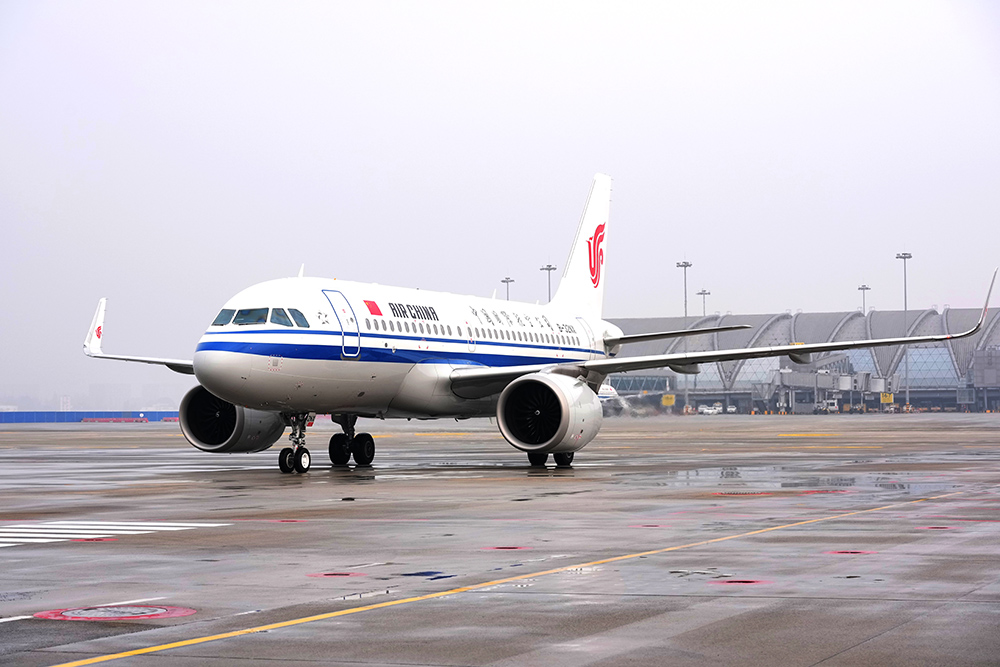
Behind this is Chengdu’s increasingly dense multimodal transport network. Chengdu is one of only three cities in the Chinese mainland operating two international airports. Data shows that in 2025, Chengdu’s international aviation hubs handled over 90 million passenger trips, maintaining double-digit growth for three consecutive years, and completed 1.17 million tons of cargo throughput. As of January 2026, the hubs operated 102 international and regional passenger and cargo routes, covering five continents.
The ground logistics network is equally busy. In 2025, the Chengdu-Chongqing China-Europe Railway Express operated over 5,000 trips, leading the country for five consecutive years, with more than 50 routes connecting over 130 cities across Eurasia.
Felix Schmidt, a German traveller, commutes monthly between Munich and Chengdu. He habitually times his customs clearance on his phone: “Smart devices and pre-inspection for luggage mean the fastest I’ve cleared entry was just 30 seconds.” Efficient port services compress geographical distance, making cross-border travel smooth and effortless.
Ayu, an Indonesian student in Chengdu, experiences this convenience through taste. She can always find instant noodles and speciality sauces from her hometown in Chengdu’s supermarkets. These Southeast Asian products travel north via the New International Land-Sea Trade Corridor to reach Chengdu’s shelves. “When I’m homesick, a taste of home makes me feel better,” she says.
High-Quality Opening-Up Drives Development
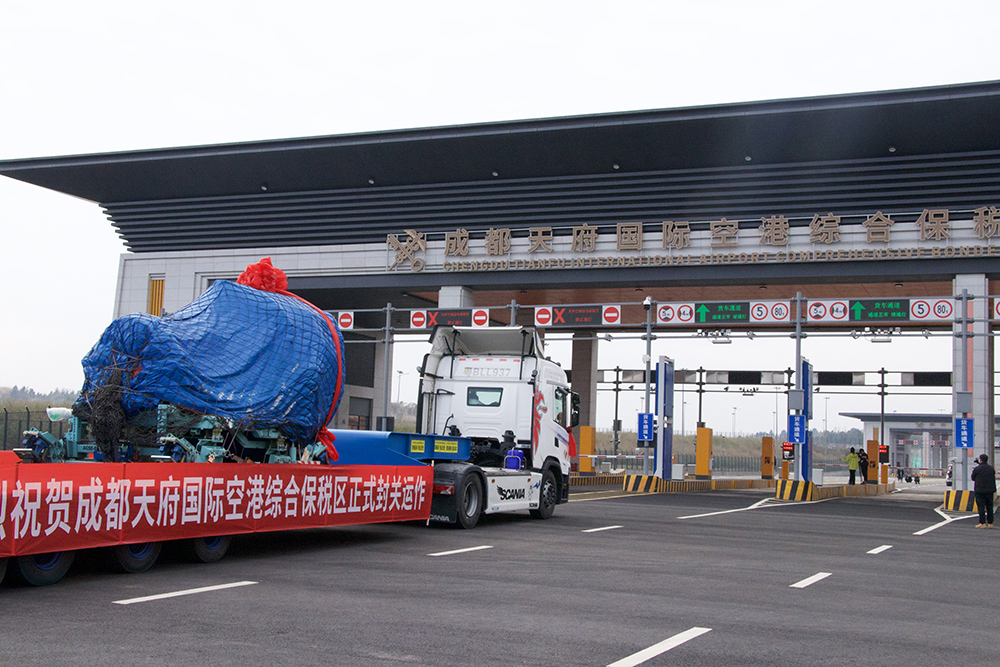
The value of connectivity is ultimately measured in trade and the economy. In 2025, Chengdu’s total foreign trade reached 850.23 billion yuan (about $117 billion), a record high, meaning over 2.3 billion yuan worth of goods flowed between Chengdu and the world every day on average. Chengdu Hi-Tech Comprehensive Bonded Zone achieved imports and exports of 525.69 billion yuan, ranking first among comprehensive bonded zones in China. More than 300 Fortune Global 500 companies have a presence in Chengdu, with over 4,000 foreign-invested enterprises. On Feb. 27, 2026, Chengdu Tianfu International Airport Comprehensive Bonded Zone officially commenced operations.
A growing number of enterprises are turning their attention to Chengdu, viewing it as a crucial fulcrum for expanding into western China and even global markets.
In Chengdu’s Chunxi Road commercial district, wiggle wiggle, a well-known South Korean lifestyle IP brand, has become a hotspot with its eye-catching “dopamine colour palette,” its first store in central and western China constantly packed with domestic and international visitors. From site inspection to opening day took less than five months. Kim Nam-guk, Investment and Operations General Manager of China E-Land Group, who introduced the project, remarked: “Chengdu makes the unfamiliar Chinese market feel less daunting.”
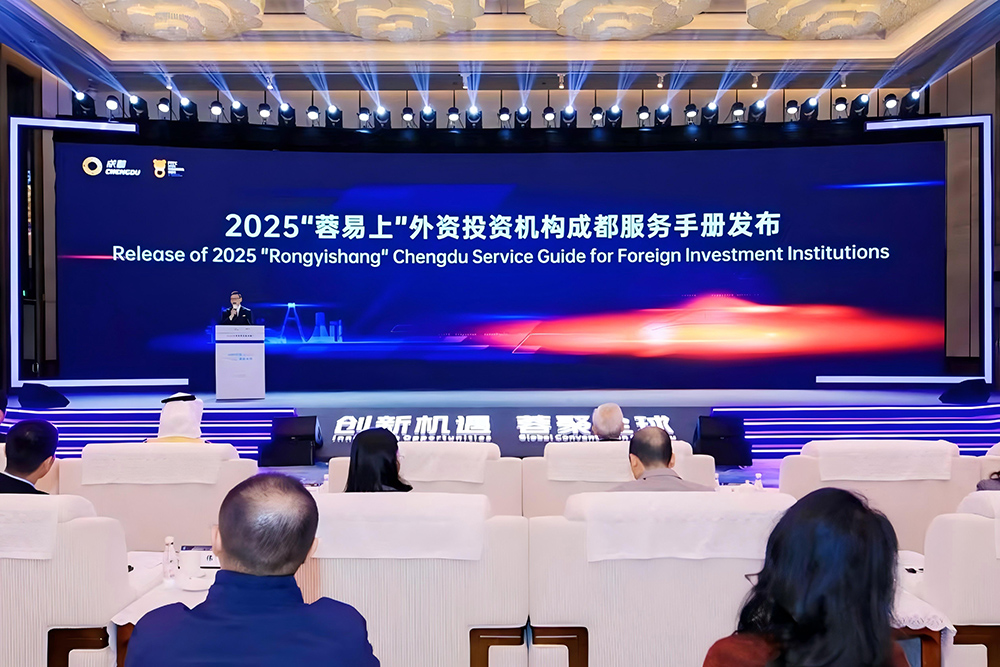
Such stories keep unfolding. In June 2025, Phase I of GE HealthCare China’s Precision Medicine Industrialisation Base passed completion and parallel acceptance. In September, Schlumberger, a global “hidden champion” in energy services, invested 700 million yuan to establish its China Onshore Headquarters in Chengdu. In December, at the “Foreign Investment Institutions Chengdu Tour” event, on-site signed fund cooperation projects totalled over 15 billion yuan, and the “Chengdu Global Investor Network” was launched, serving as a new link connecting global capital with innovative forces in western China.
From a South Korean brand’s rapid debut to the continuous influx of overseas capital, Chengdu’s appeal is consistently visible to the world.
Livable Foundation Fuels International Appeal
Connectivity and industry bring people in, but what truly makes people choose a city is often its livable foundation and inclusive atmosphere.
In 2025, Chengdu aviation port processed more than 1.72 million foreign arrivals and departures, with a growing number transitioning from “passersby” to “regulars.”
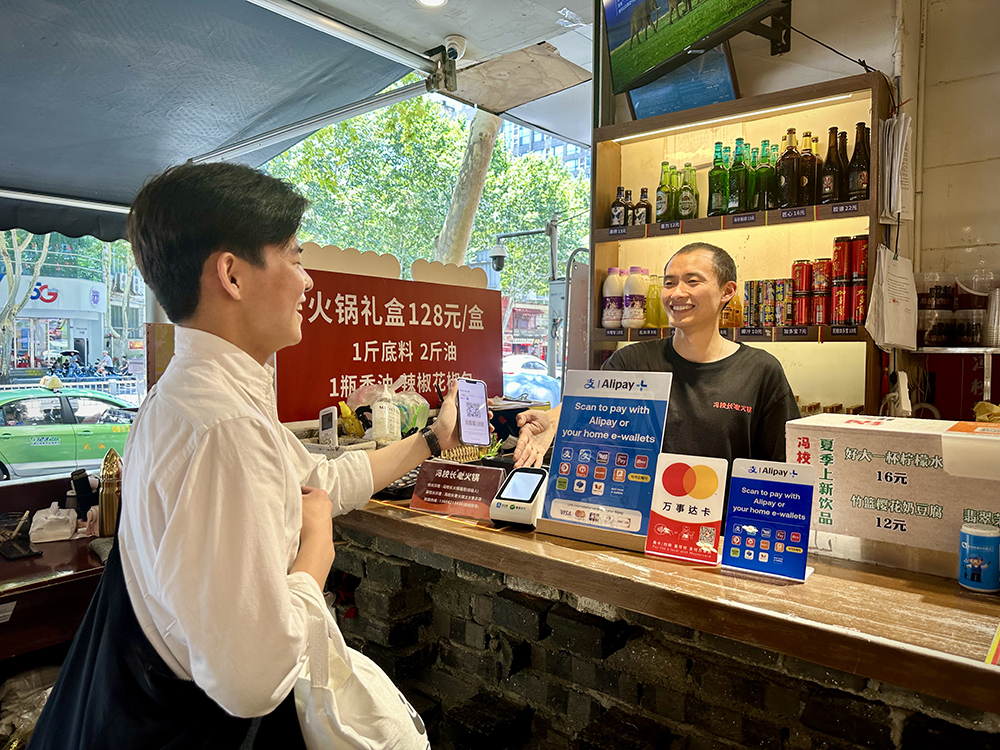
Behind these figures lies meticulous preparation by the city to welcome the world. Foreign nationals arriving via Chengdu Shuangliu International Airport and Tianfu International Airport can now use overseas bank cards directly to take the subway upon arrival, navigating the entire city without needing to exchange cash. At popular landmarks like Chunxi Road and Taikoo Li, tax refunds are available instantly upon purchase. In bustling street-side shops, convenient mobile payments make immersive experiences accessible everywhere.
For overseas talent considering starting a business or living in Chengdu, the city is building a comprehensive support system from landing to settling down. In 2026, a special support policy targeting overseas talent will be implemented, covering project funding, business incubation, residence convenience, and living services. To date, Chengdu’s talent pool has exceeded 6.85 million, and the city has been recognised as “China’s Best City for Talent” for seven consecutive years.
Robert from the Netherlands was captivated by Chengdu’s “life atmosphere” during a visit to relatives. At Heming Teahouse in People’s Park, he experienced for the first time that “sitting in the sun sipping tea” could be a daily ritual — and decided to stay.
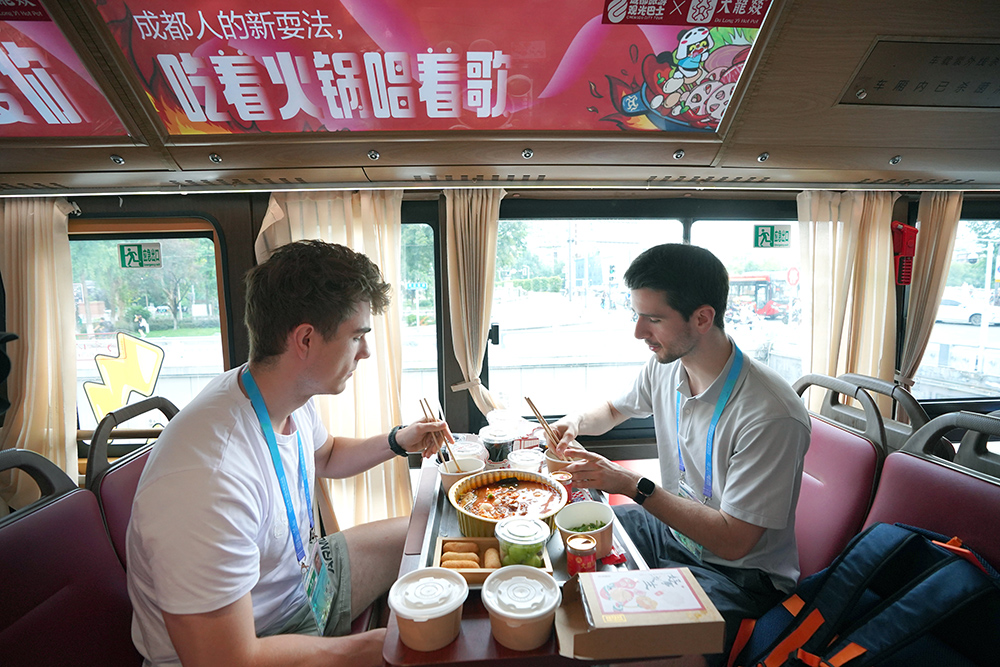
Robert’s company is based at the International Talent Port in Chengdu High-Tech Zone. Global innovation and entrepreneurship competitions are held regularly here, attracting young people from around the world to exchange ideas and seek opportunities. His company has helped tens of thousands of overseas talents find jobs in Chengdu. “Many people come just for a look, as I did, and then never leave,” he says. “Chengdu’s charm lies in not asking where you come from, but only if you want to stay.”
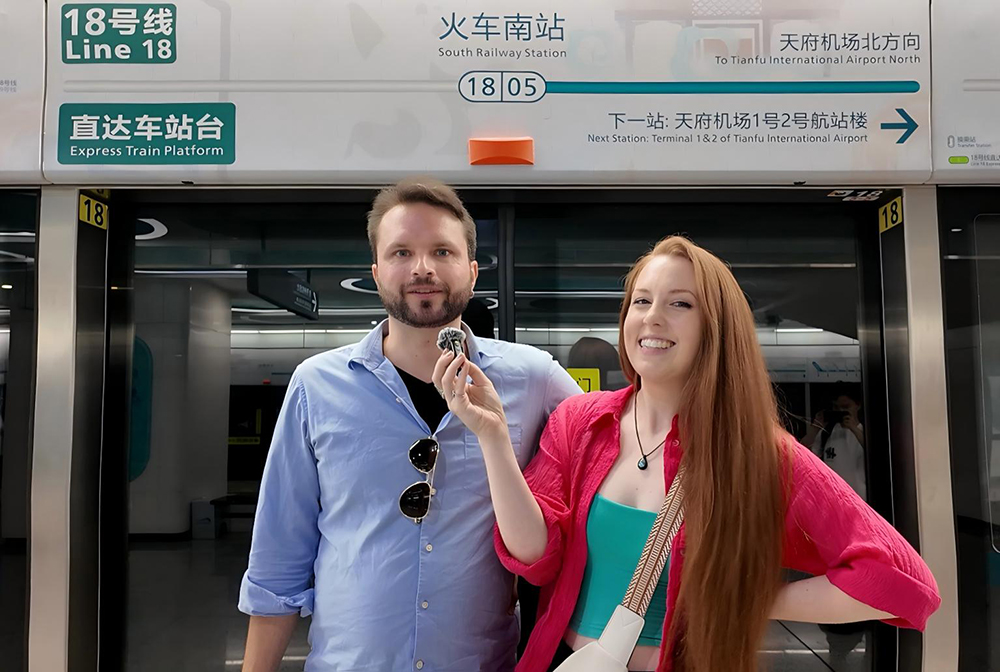
Faith and Nelson, a couple from the U.S., have also found a sense of belonging in Chengdu. They are the English voice artists for Chengdu Metro’s announcements. In 2020, they established a voice-over company in Chengdu and have now completed thousands of projects. “Starting a company in Chengdu costs only one-fifth of what it would in the U.S.,” says Nelson, “but what we gain is a relaxed pace of life.”
This park city, beneath snow-capped mountains, connects with the world through its far-reaching transport networks and retains businesses and talent with industrial opportunities. From Nordic salmon to entrepreneurs from diverse countries and regions, Chengdu’s opening-up is never a one-way “attraction,” but a deep “embrace” with the world.
Written by Yuan Mouzhibo.
If you liked this article, why not read: When ‘City Walk’ Meets Chengdu: Expats Embrace the Easy Life