
Perler bead crafting is booming in China as young people turn to this relaxing DIY hobby for stress relief and creative expression.
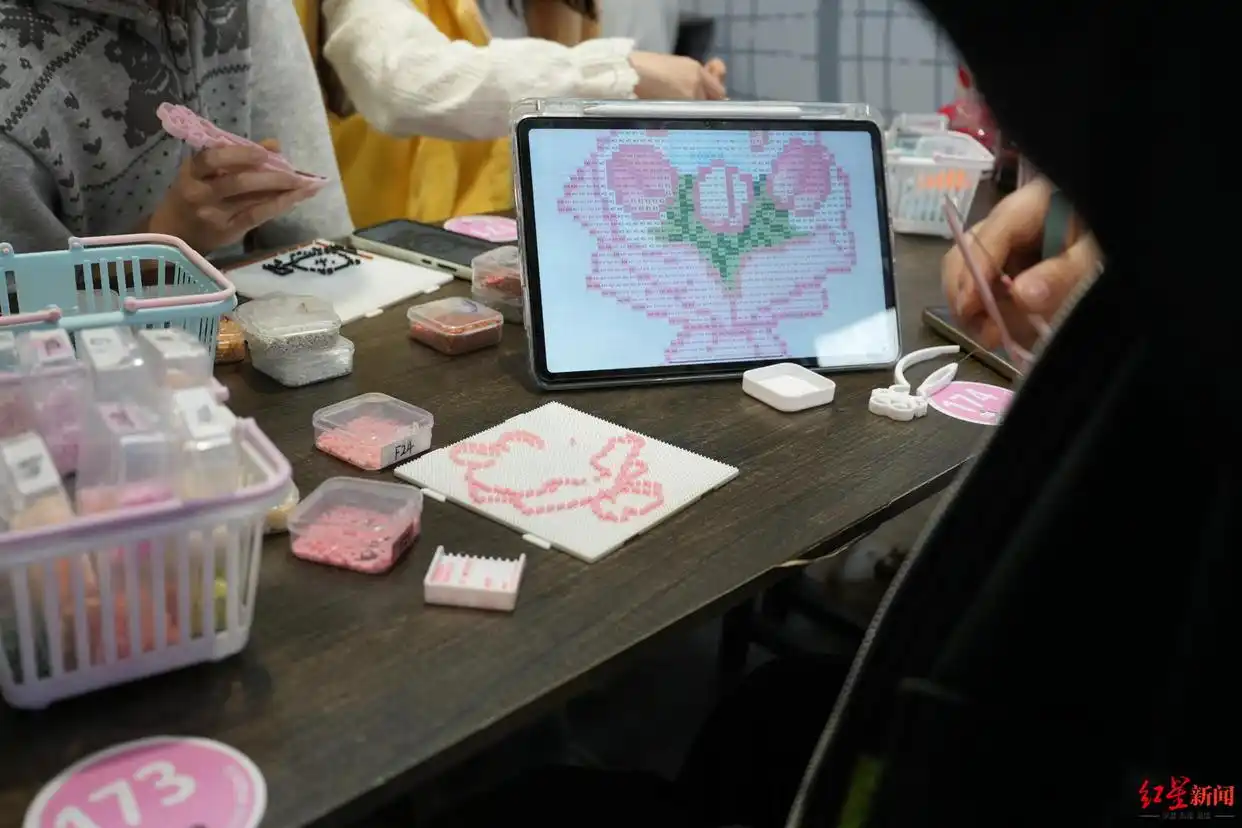
Perler bead craft is a DIY activity. People place small colored plastic beads one by one by hand. Then they iron them to fix the shape. The craft first appeared in Sweden in 1971. At first, people used it for physical rehabilitation for the elderly. Later, companies turned it into an educational toy for children. Recently, however, it has spread rapidly on Chinese social media.
For example, in a craft shop in Sanlitun SOHO in Beijing, Xiao He has sat at a bead-craft station for more than two hours after work. In front of her, a pixel-style cartoon character is half finished on the bead board. It represents a celebrity she likes recently.
Comnews.cn reports that she explains her reason clearly. She works in finance every day. Therefore, she constantly faces dense Excel spreadsheets. As a result, her eyes feel tired, and her brain feels even more exhausted. However, bead crafting feels different. She only needs to focus on each tiny bead. Meanwhile, she does not need to think about anything else.
Moreover, a colleague first introduced the hobby to her. Because of that recommendation, she started trying it herself. Now she keeps many bead-pattern designs in her photo album. Therefore, she already plans what she will create next.
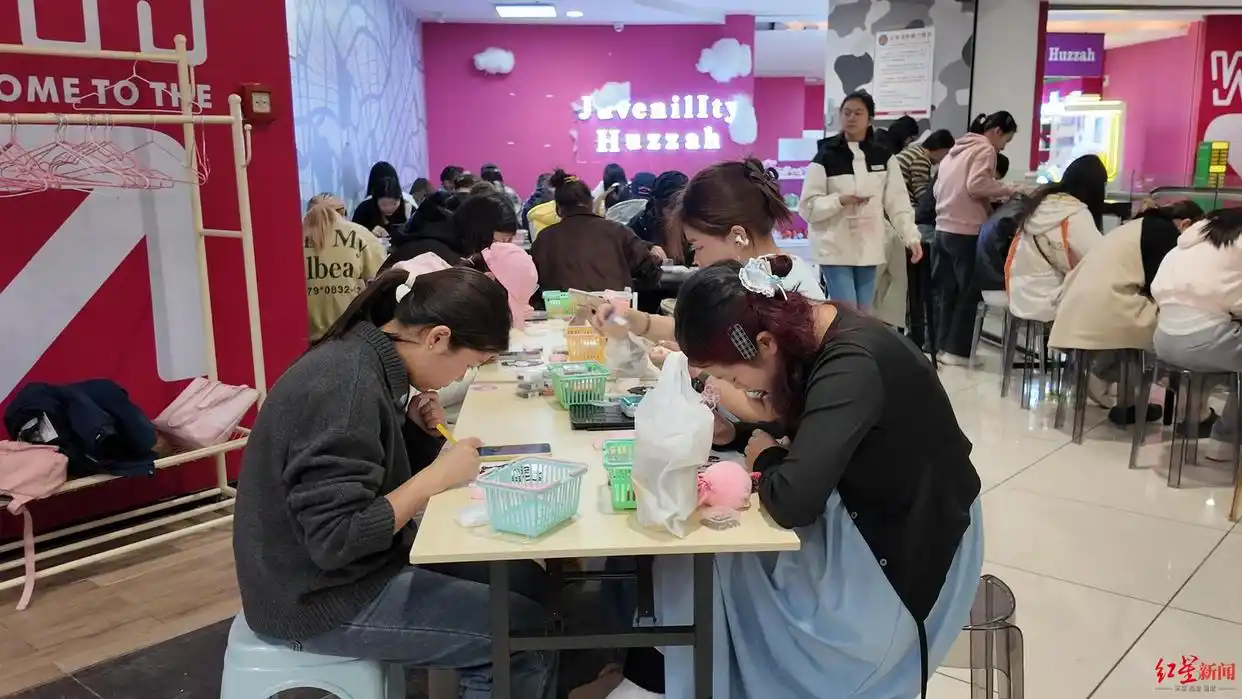
Offline Experiences Go Viral, and Bead Craft Spending Keeps Rising
Young white-collar workers like Xiao He have become a major customer group in bead-craft stores in Beijing. Although the Spring Festival holiday has ended, customer traffic has not decreased.
According to the store manager, holidays bring even more visitors. On busy days, nearly one hundred people enter the store. In addition, many customers stay for half a day. Some even return for several consecutive days.
In this shop, a bead-craft package costs 84.9 yuan (about £9.2) per hour. The store sells more than 5,000 packages each year. Therefore, this single product generates about 425,000 yuan (about £45,900) in annual revenue. On average, it earns more than 35,000 yuan (about £3790) per month.
Furthermore, during the New Year holiday this year, the shop reached a new peak. On January 2 alone, more than 200 customers visited. From 11 a.m. to 10 p.m., the store stayed completely full.
Meanwhile, platform data shows the same trend. According to 2026 Spring Festival consumption data from Douyin (Chinese TikTok) Life Services, Gen Z users increased their group-purchase orders by 65% year over year. Even more striking, bead-craft group-purchase orders surged by 9,018%.
At the same time, Taobao listed bead craft among the “Top Ten Products of 2025.” Over the past year, searches for it increased by nearly 500%.
In addition, the topic “bead craft” has gained over 7.5 billion views on RedNote. It has even created viral subtopics such as “I Got Hooked on Bead Craft,” which received billions of views. Users frequently share design templates, production processes, and finished works. As a result, a cycle has formed. First, content inspires interest. Next, users purchase the materials. Then they create and share their own works. Consequently, the trend continues to grow.
Meeting Emotional Needs: Light Consumption Creates New Possibilities
The popularity of bead craft reflects a shift in consumer psychology. Above all, it offers a low entry barrier. At the same time, it gives young people a clear sense of achievement.
In terms of consumption type, bead craft resembles a form of light DIY emotional consumption. In recent years, “stress relief” and “healing” have become frequently consumed keywords. Fortunately, the crafting process naturally supports these needs. The steps move slowly and repeat many times. Therefore, the activity helps people relax.
According to reporting by comnews.cn, many young people treat bead craft as a controllable emotional outlet. First, they do not need complex skills. Second, they do not need long training. Instead, they simply follow a design and place beads one by one. As a result, they complete a piece of work through focused attention.
Moreover, the activity provides a “certain sense of achievement.” Many hobbies produce unclear or hard-to-measure results. In contrast, bead craft produces visible outcomes quickly. People can complete a full piece within a few hours. Therefore, the results appear clear and satisfying. This process meets young people’s needs for both emotional release and personal expression.
On social media, sharing finished works also plays an important role. Users show their results. At the same time, they express emotions and build identity within communities.
A New Model for Service Consumption
As a new form of service consumption, bead craft shows how niche creative hobbies can develop into scalable businesses. On one hand, it brings fresh vitality to offline retail spaces. On the other hand, it offers a development path for other craft industries.
Looking ahead, product innovation will likely continue. Meanwhile, the industry chain will gradually improve. Therefore, light emotional consumption activities like bead craft may keep releasing market potential. Eventually, they could become an important driver of growth in the service-consumption sector. At the same time, they may push the market toward more specialised and personalised experiences.
Written by Yi Shen.
If you liked this article, why not read: Education, Sports and AI Proposed to Support Teen Mental Health