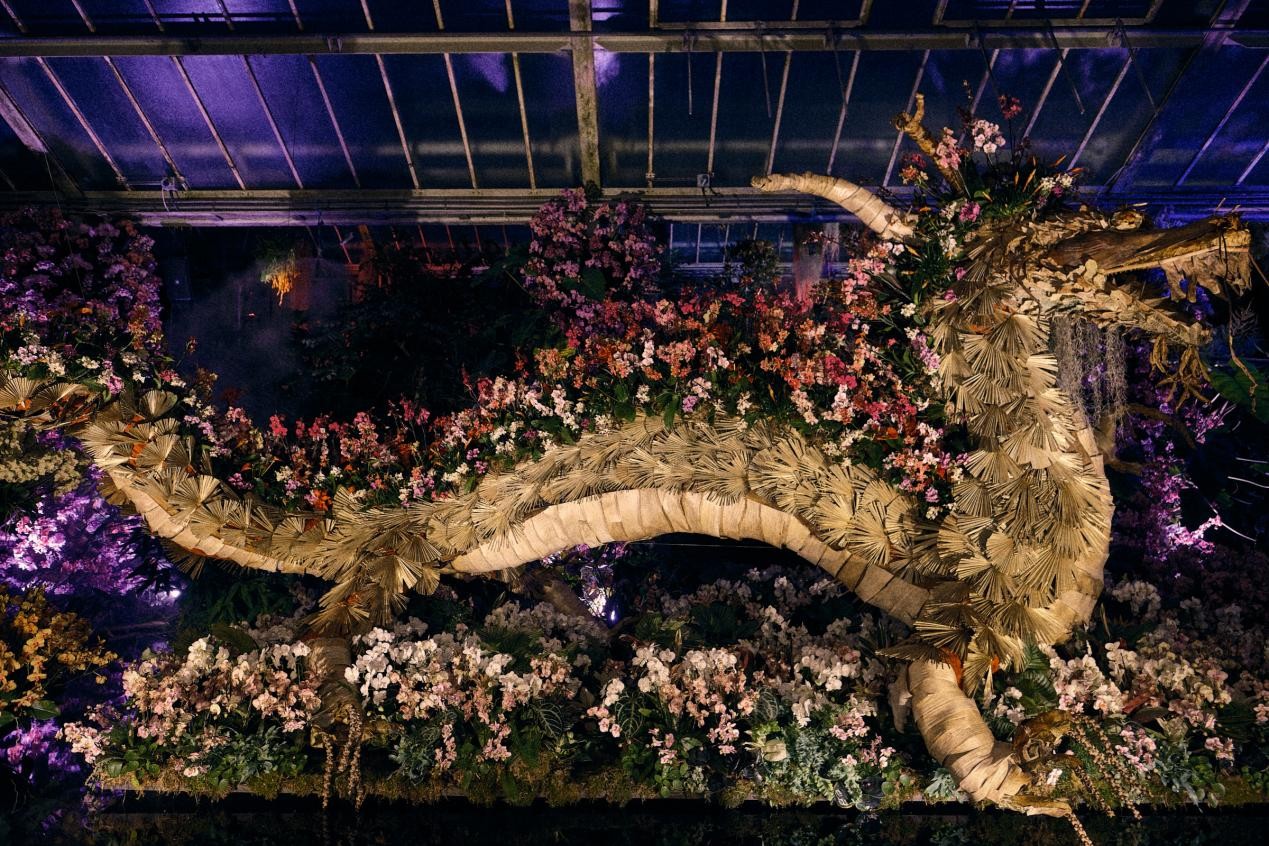

Orchids After Hours at Kew Gardens offered a unique Yunnan-focused event showcasing Yunnan ethnic Costumes and beautiful orchids.
The event, held Friday and Saturday evenings from 13 to 28 February at the Princess of Wales Conservatory, combined orchid displays, ethnic costumes, and interactive cultural activities to showcase China’s biodiversity and ethnic heritage.
As night fell, models dressed in traditional costumes from several ethnic groups in Yunnan slowly walked through the orchid-filled conservatory. They blended into the lush tropical plants and floral landscape to create an immersive visual experience.
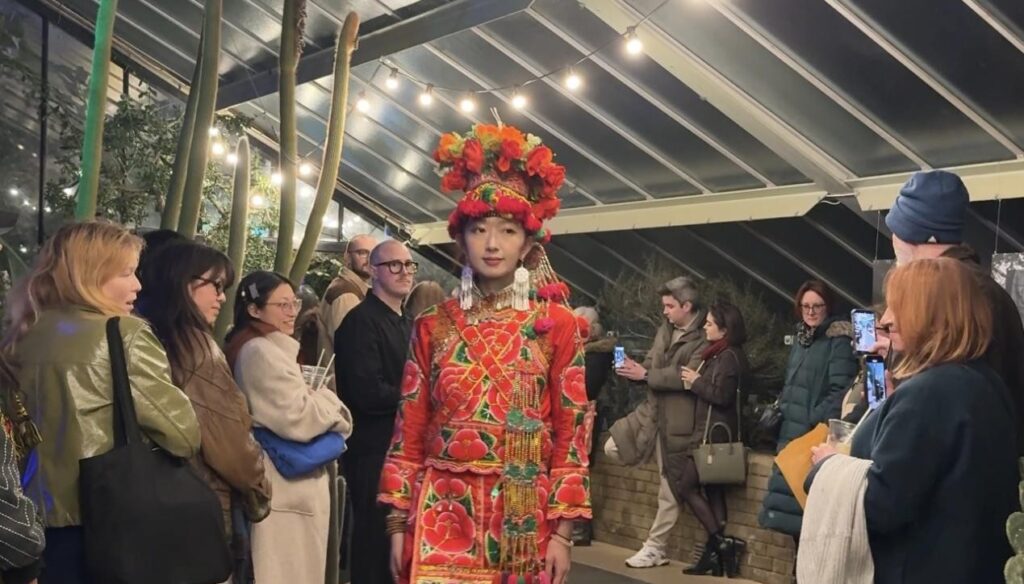
The display of Yunnanese costumes fascinated guests, with many taking pictures or exchanging remarks about the unique outfits.
Yiran Duan, founder and director of Yi Crafts who organised the fashion show, told reporters that the event was not intended to just be a visually dramatic fashion show, but rather a quiet cultural journey. “We wanted visitors to slow down and observe the details of the clothing, the embroidery, weaving, and fabrics, and to understand the life experiences and cultural memories behind them,” she said.
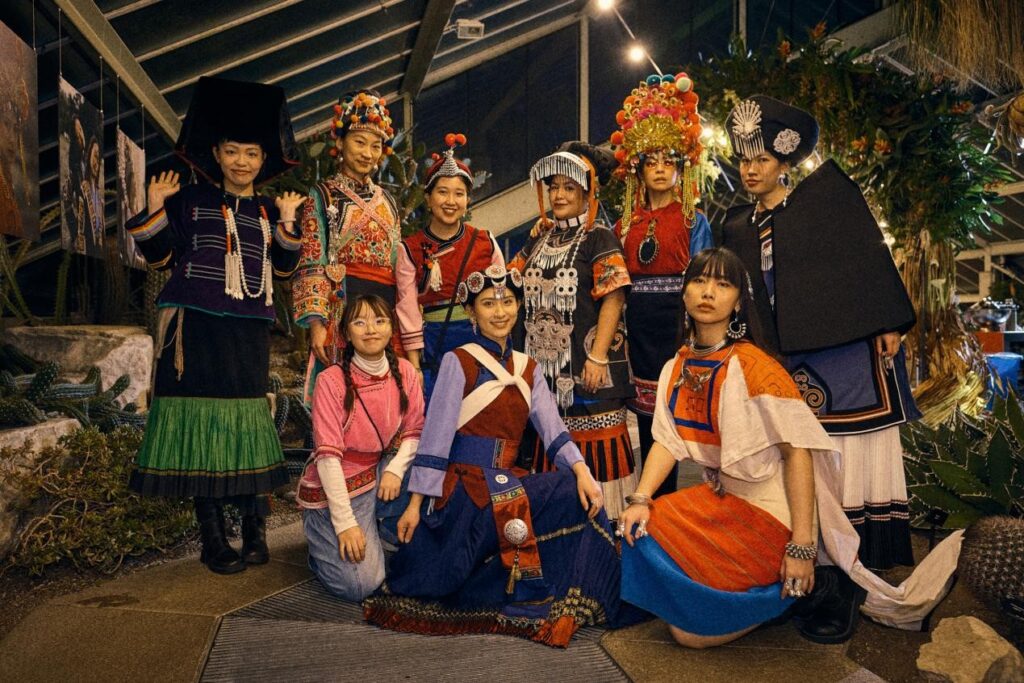
According to Duan, the core idea behind the project was not simply to stage a performance, but to present a cultural narrative about the long-standing relationship between people and nature through the lens of Yunnan’s ethnic clothing traditions.
Yunnan is widely known as the “Kingdom of Plants” in China and is also one of the country’s most ethnically diverse regions. Its plant resources, climate, and geographical environment have profoundly shaped local lifestyles, influencing clothing traditions, handicrafts, and aesthetic practices.
Several models also shared their personal experiences after the show. Gao Danyue, who wore a traditional Yi ethnic wedding costume from Dongshan in Dali, explained that such garments are not made all at once. “Families begin collecting materials when a girl is born, and the final outfit is completed by hand before her wedding,” she said. “Yunnan is home to more than twenty ethnic groups, each with its own culture. I hope this event helps international audiences see the richness and diversity of our heritage.”
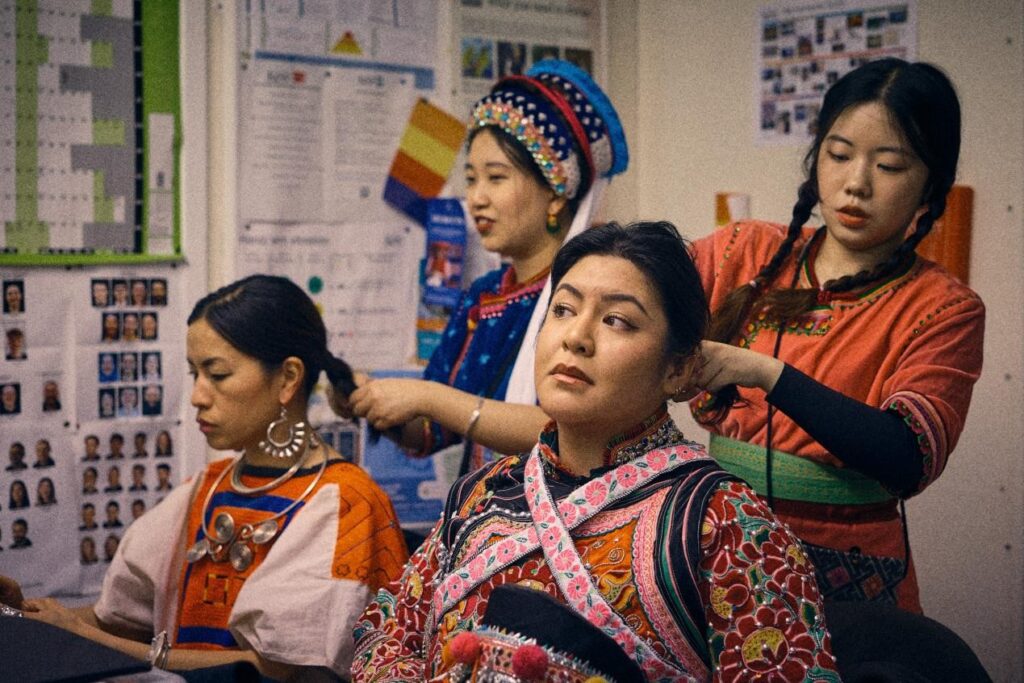
Another model, Gao Shan from the Naxi ethnic group, said presenting the costumes among orchids created a strong emotional connection for her. “My family has grown orchids since I was young, so walking here feels like returning to my childhood and my hometown,” she said. She also noted that many ethnic garments combine aesthetic beauty with practical functions. For example, the well-known Naxi shawl protects the shoulders during labour and symbolises the important responsibilities women carry within the family and community.
Looking ahead, Duan hopes the project will evolve into a long-term cultural collaboration rather than a one-time showcase. She expressed interest in working with more international cultural institutions, botanical gardens, and museums to explore the relationship between nature and human culture through crafts, traditional lifestyles, and ecological knowledge. Future themes could expand to include plant-based dyes, traditional festivals, folk beliefs, and environmental conservation.
“Traditional culture should be understood as a living practice, not frozen into symbols,” she said. “Our collaboration with Kew Gardens is an important and encouraging beginning.”
If you like this article, why not read: Kew Gardens Orchids After Hours in Pictures