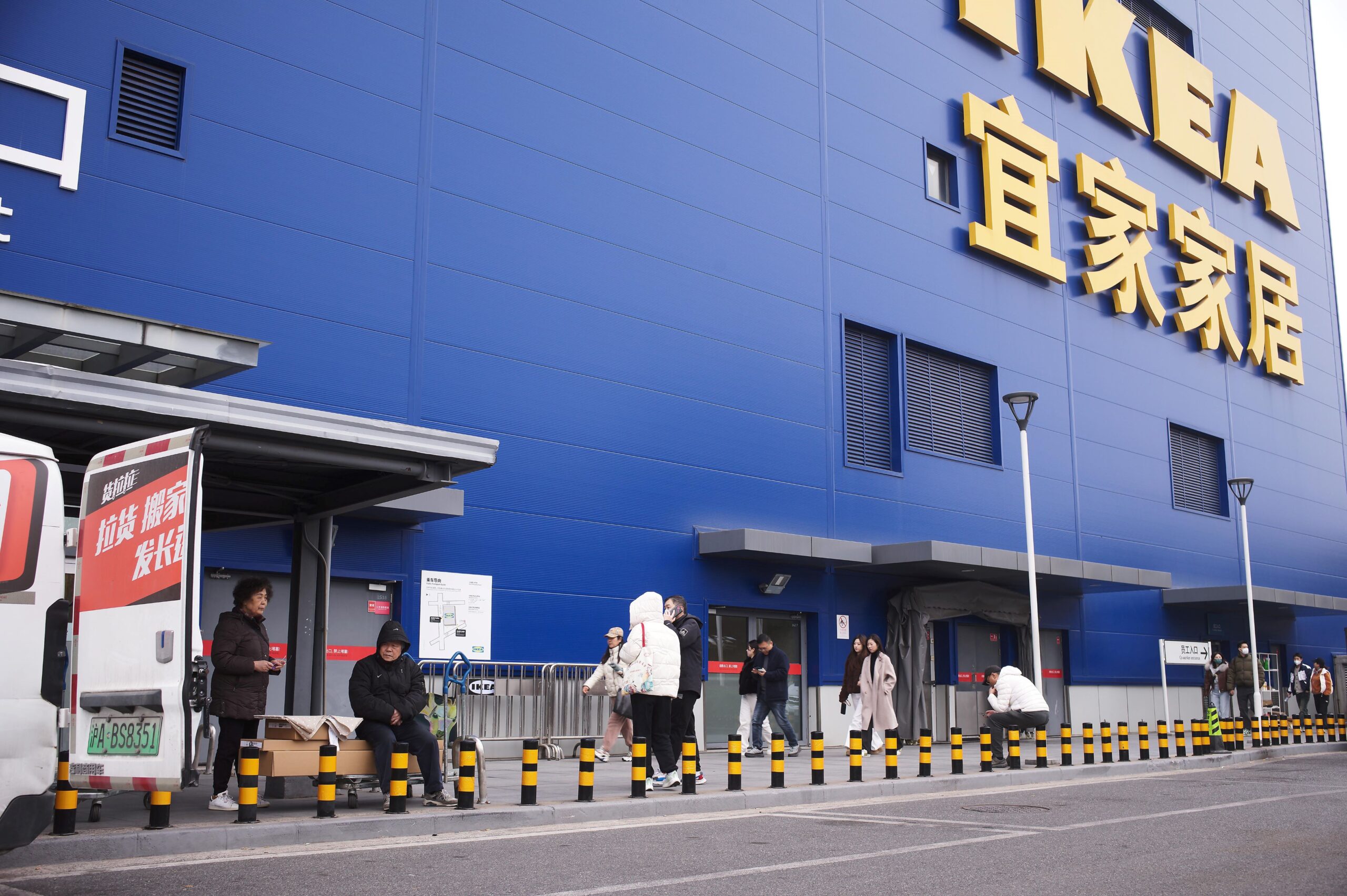

IKEA China will close seven large stores starting February 2nd as it shifts focus to smaller-format stores in major cities like Beijing and Shenzhen.
IKEA China will close seven large stores across the country starting February 2nd, as it shifts its focus toward smaller-format stores in major cities. The affected locations include Shanghai Baoshan, Guangzhou Panyu, Tianjin Zhongbei, Nantong, Xuzhou, Ningbo, and Harbin.
From Large Stores to Smart Growth
The move marks a shift from broad expansion to targeted growth in key markets such as Beijing and Shenzhen. Over the next two years, IKEA plans to open more than ten smaller-format stores. These stores will feature flexible layouts and combine home inspiration with social spaces, aiming to better match urban lifestyles and shopping habits.
IKEA currently operates 41 stores across mainland China and reaches over a billion consumers through both offline and online channels. Analysts note that the move comes amid slowing retail growth in China and changing urban consumption patterns.
A Quiet Farewell in Shanghai
As the closure date approached, IKEA’s Shanghai Baoshan store entered its final days. On January 29th, the crowds drawn by clearance sales had largely disappeared. Large furniture items in the showrooms were sold out, leaving staff to pack and clear the space for the last time.
In the in-store restaurant, some customers still visited for a final meal, marking their farewell to the store.

Expanding Online and Future Strategy
Alongside changes to its physical network, IKEA China continues to strengthen its online presence. Since entering e-commerce in 2018, the company has built three self-operated digital platforms and runs flagship stores on major marketplaces. Customers can shop through IKEA’s website, mobile app, WeChat mini-program, or partner platforms, ensuring nationwide access even after local store closures.
IKEA stresses that the store closures do not signal a retreat from China. The country remains one of its most important global markets. By closing a few large stores and investing in small, high-efficiency stores and digital channels, IKEA aims to build a stronger foundation for long-term growth.
Analysts say the adjustment reflects a broader global trend, as retailers adapt to digital consumption, urbanisation, and evolving shopping habits.
Written by Ronnie Yu, additional reporting by HKCNA, China Daily.
If you liked this article, why not read: Chinese Pop Brand POP MART to Set Up HQ in London