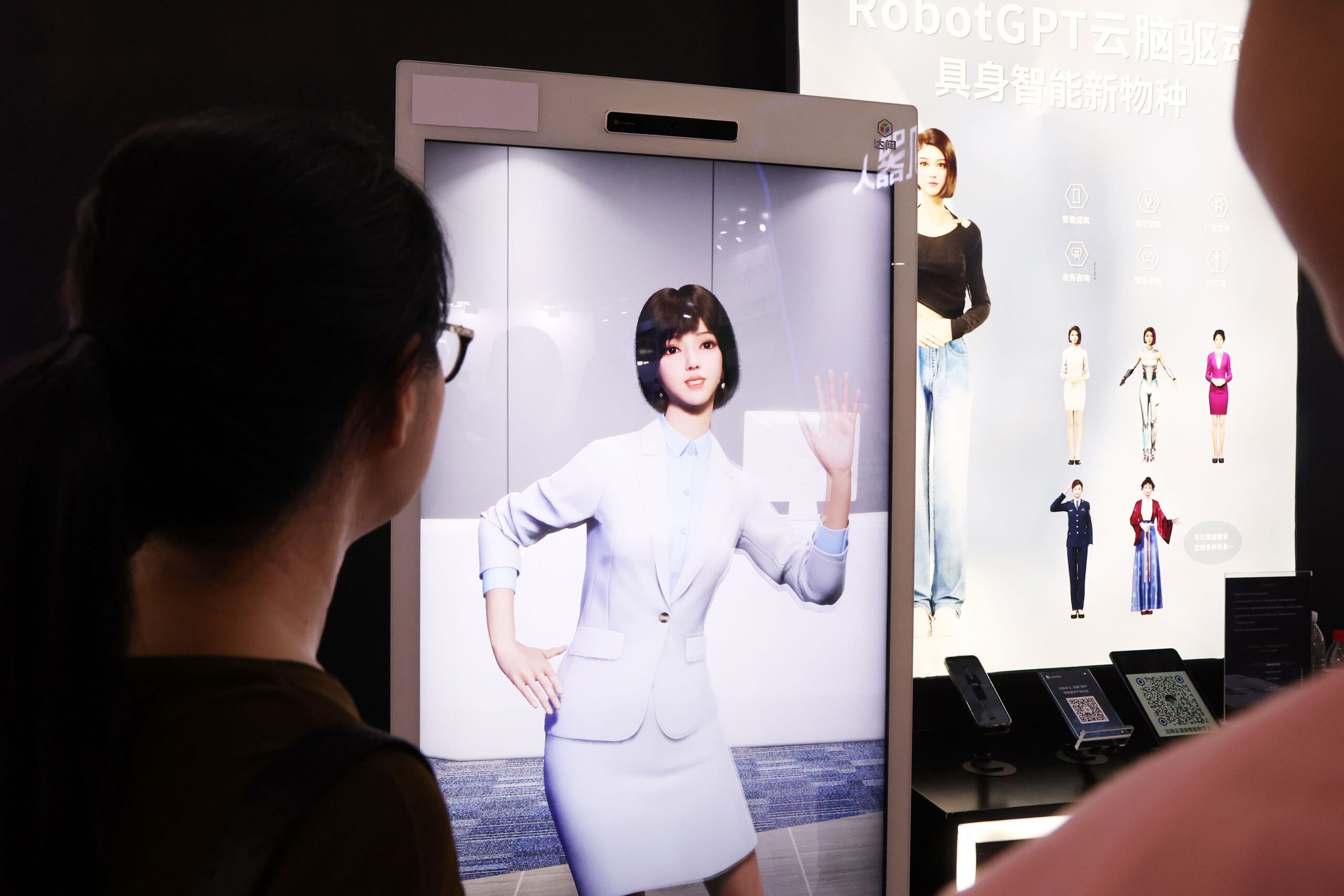

China has introduced new rules to regulate AI-generated virtual hosts in live-streaming e-commerce, strengthening labelling requirements and platform accountability to prevent misinformation.
China has introduced new regulations to oversee AI-generated virtual hosts and other artificial intelligence–created content in live-streaming e-commerce, reported by CNS. The move comes as authorities respond to the rapid adoption of emerging technologies in commercial broadcasting.
New Rules Target AI Content in Live-streaming
The Livestreaming E-commerce Supervision and Administration Measures bring AI-generated content under China’s regulatory framework. They prevent new technologies from spreading false information and promote responsible, transparent use in the digital economy.
Live-streams featuring AI-generated characters, images, or videos must carry clear labels. Platforms and streamers are required to continuously notify consumers, ensuring viewers know when content is created or presented by artificial intelligence.
Strengthening Platform Accountability
The regulations also emphasise platform responsibility. Market regulators and cyberspace authorities will notify e-commerce platforms about violations by live-stream operators, influencers, and service agencies. Platforms must take prompt action, including warnings, restrictions on functions or traffic, suspension of live streams, account closures, bans on re-registration, or blacklisting of repeat offenders.
Platforms are further encouraged to improve content governance. This includes enhancing review systems and increasing their capacity to detect and handle illegal or non-compliant content in live-streaming commerce.
Authorities stated that stricter penalties will apply to platforms that fail to fulfil their responsibilities. Accounts, live-stream rooms, and multi-channel network (MCN) agencies involved in serious or repeated violations will also face legal enforcement.
Balancing Innovation and Oversight
China’s live-streaming e-commerce sector has expanded rapidly, with AI-powered virtual hosts increasingly used to cut costs and extend broadcast hours. Similar discussions are underway in Europe and the UK, as regulators examine how artificial intelligence should be managed in commercial and media contexts.
The new rules highlight China’s effort to balance technological innovation with stronger oversight, a challenge shared by digital regulators worldwide.
Written by Ronnie Yu.
If you liked this article, why not read: Inside China’s AI Governance: A Global Dialogue with Sam Daws