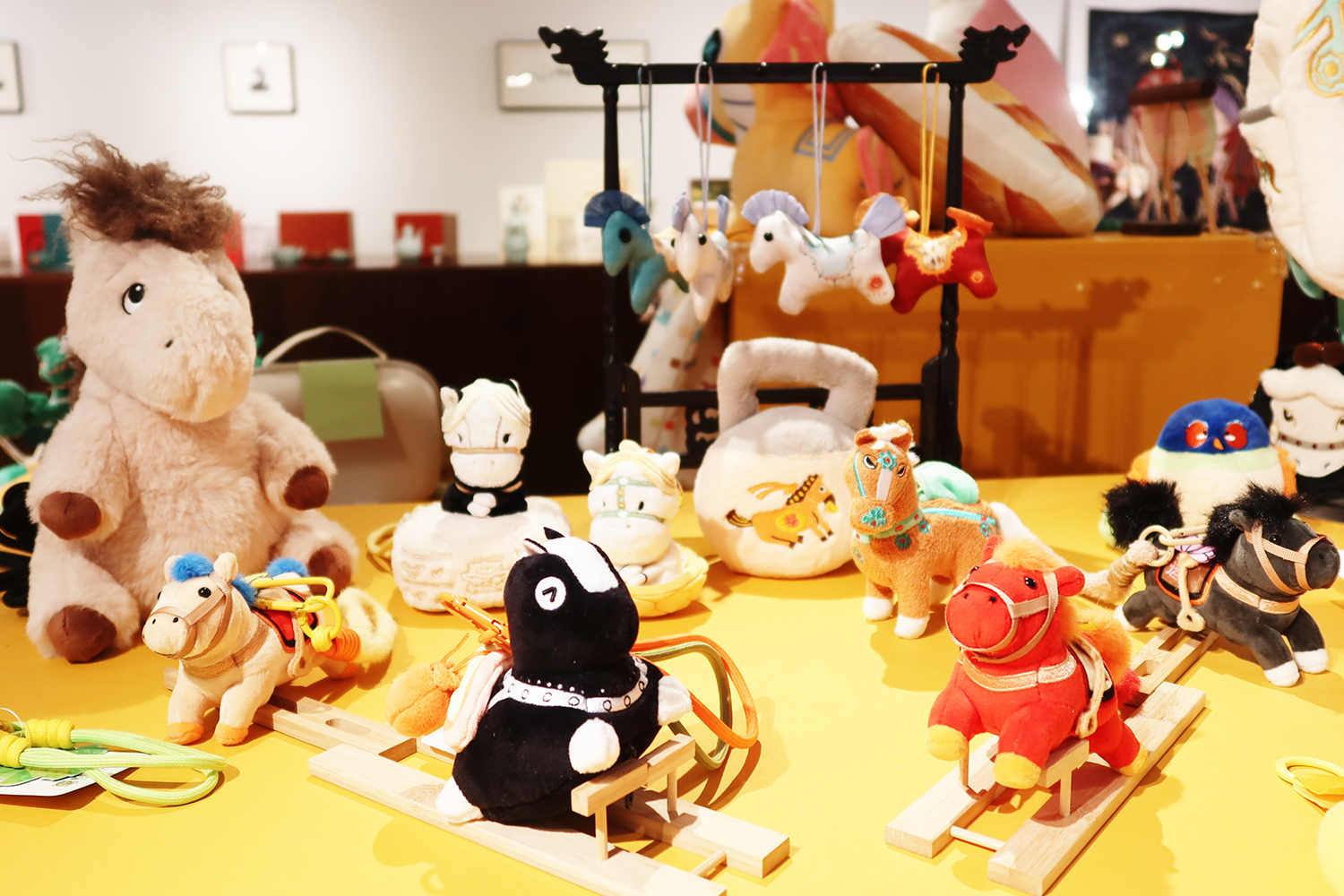

From late-night openings to hands-on programs, museums across China are drawing crowds on New Year’s Eve, signalling a shift in how people experience public culture.
As the clock struck midnight on Jan. 1st, 2026, cheers filled the central hall of the Henan Museum. Instead of fireworks or street parties, thousands of visitors welcomed the New Year inside one of China’s best-known museums.
For the first time, the Henan Museum stayed open past midnight. The decision reflects a broader shift in how Chinese museums engage with the public—especially younger audiences and families.
A Different Way to Welcome the New Year
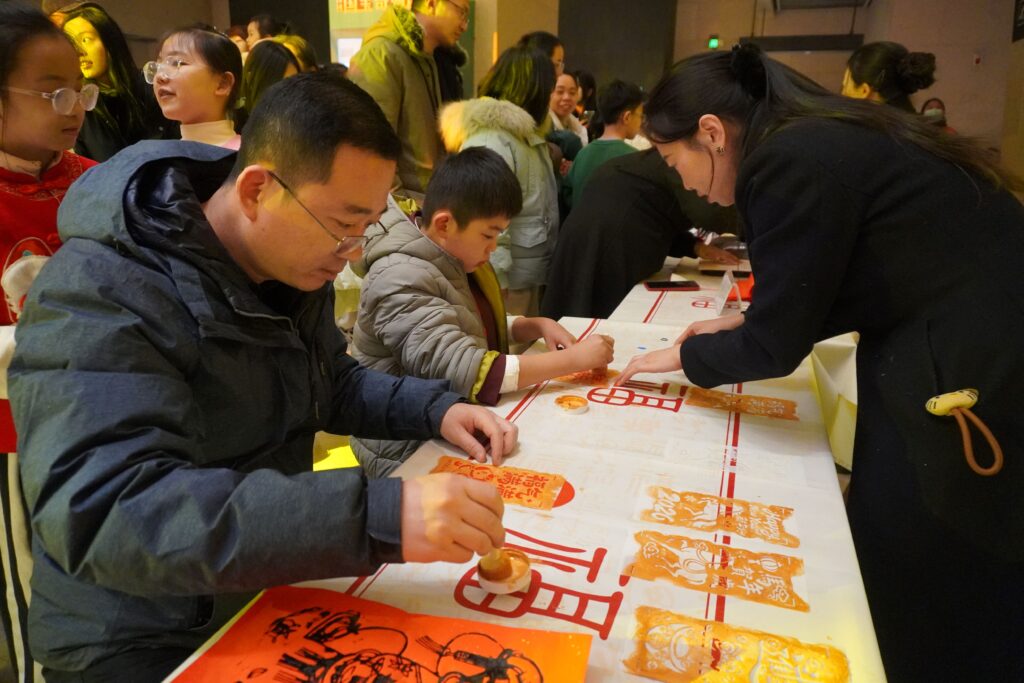
Throughout the evening, visitors took part in hands-on cultural programs. These included bell-ringing ceremonies inspired by ancient bronze chimes, live interactive performances based on national treasures, and traditional craft workshops such as stone rubbing and woodblock printing.
Many families attended together. One parent dressed her child in mamianqun, a traditional pleated skirt that has become popular again among young Chinese families. She said the museum setting made history easier for children to understand and more enjoyable to experience.
A Nationwide Museum Night
Henan was not alone. Similar New Year’s Eve events took place across China, CNS reported.
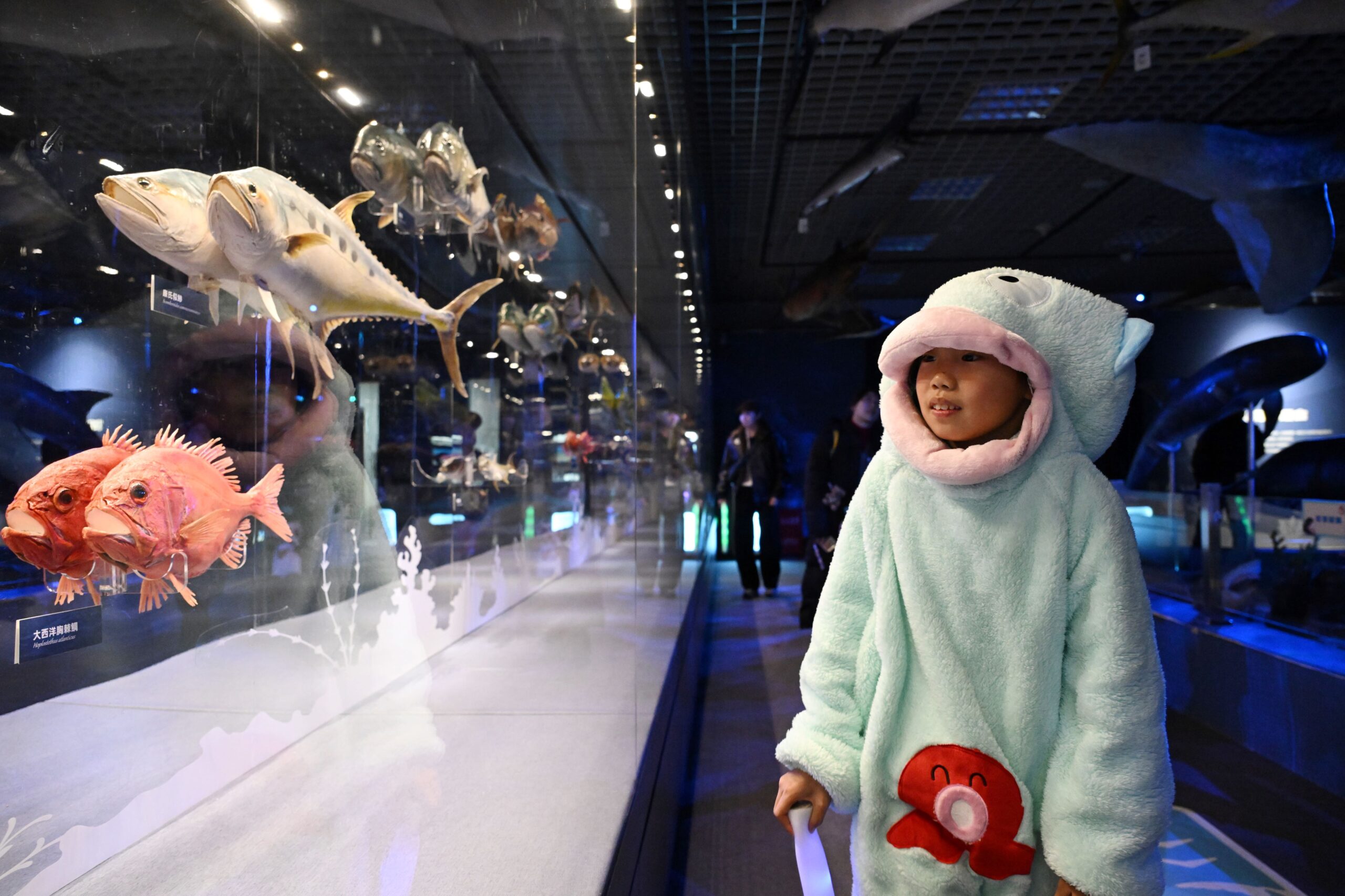
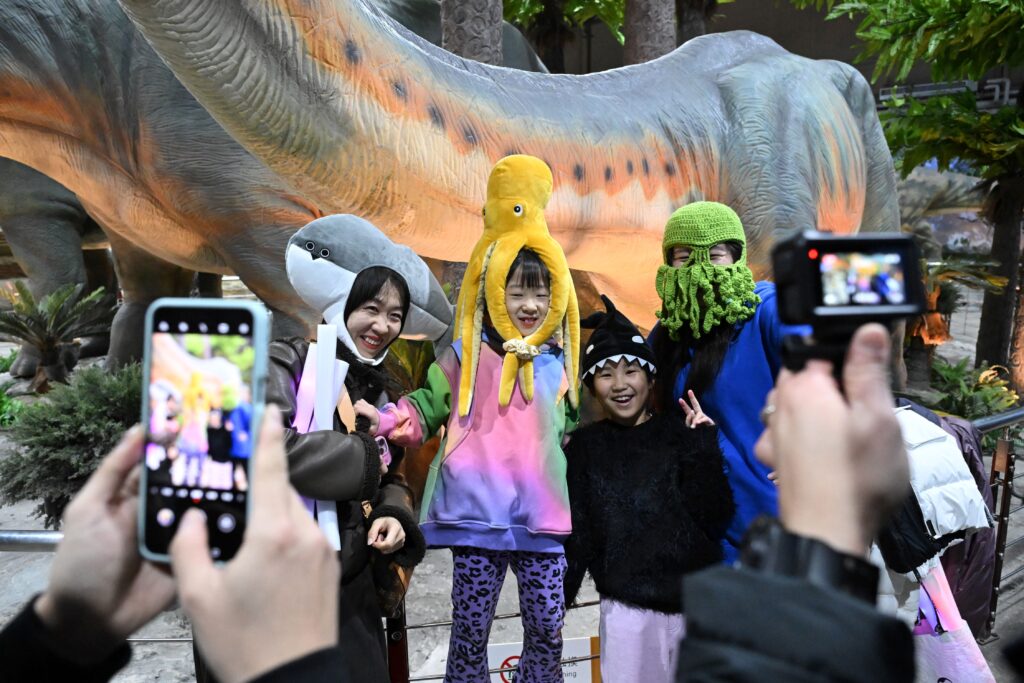
In Beijing, the Capital Museum hosted a themed night celebrating “museum time.” The National Museum of Natural History invited visitors to dress up for a marine-themed evening program. In Shanghai, cultural displays blended with fashion events, while museums in northeast China organised performances inspired by traditional styles.
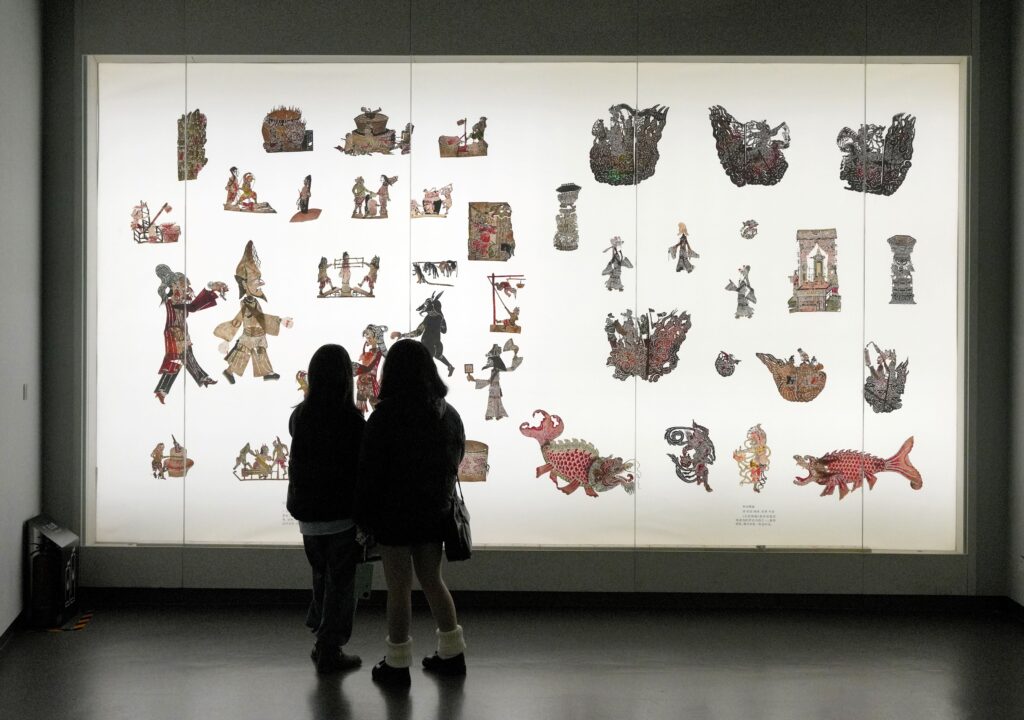
Taken together, these events show that late-night museum programs are becoming more common in China. In Europe, such formats are already familiar. For example, major institutions like the British Museum in London regularly offer late opening hours on specific evenings, allowing visitors to explore collections after work.
Museums as Part of Everyday Life
The New Year’s Eve programs also reflect a longer-term trend. Over the past year, many Chinese museums have reported record visitor numbers, especially during holidays. Tickets often sell out days in advance.
As a result, more museums are extending opening hours beyond peak seasons. Some have even removed fixed weekly closing days. Others now stay open into the evening, making visits easier for office workers and students.
By staying open later and offering interactive programs, Chinese museums are redefining their role. There are no longer places for formal visits. Instead, they are becoming shared public spaces—where culture fits naturally into daily life.
If you liked this article, why not read: Yangxin Dian Reopens at the Beijing Palace Museum