China is turning its freezing winters into a tourism spectacle. Across the country, ice and snow now draw crowds. In Beijing, frozen waterfalls and glowing light shows steal the spotlight. In the city’s mountainous suburbs, extreme cold has reshaped nature itself. As a result, Yunpugou and Yudushan have become ice-sculpted wonderlands. Towering waterfalls freeze mid-flow. Mountain springs turn into crystal walls of ice.
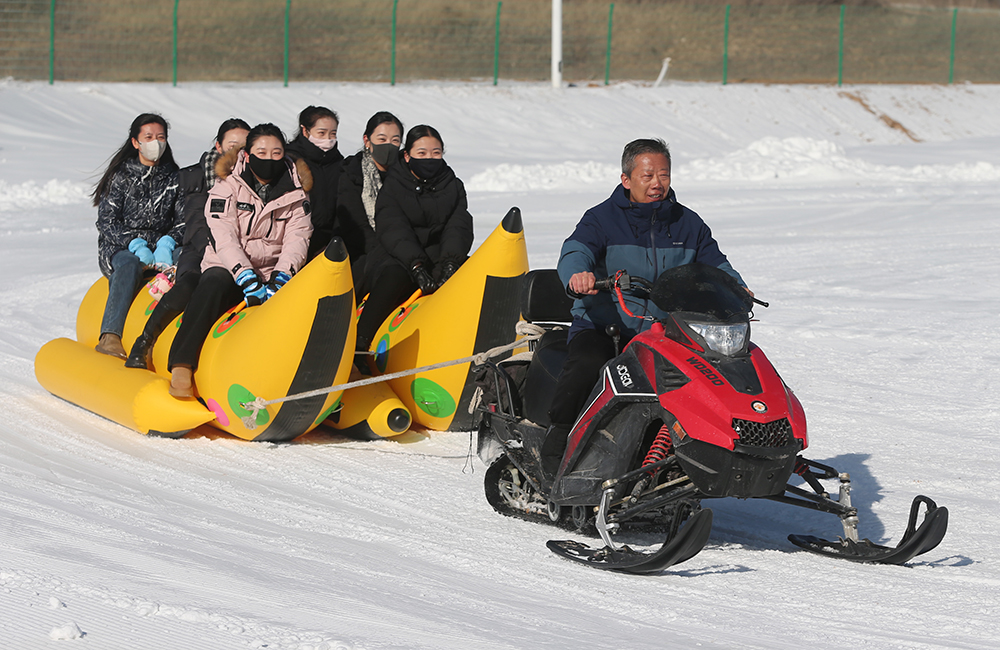
Meanwhile, winter sports with local flair are gaining popularity. They create new fun for residents and visitors alike. Not only the north benefits from this trend. In contrast, southern China is also joining the boom. Although it lacks natural ice and snow, it builds new venues. It also designs new winter-themed experiences. Consequently, the ice-and-snow craze spreads nationwide.
Winter Travel Demand Surges Nationwide
At the same time, travel demand keeps rising. Zhang Yuexin, who lives in Chongqing’s Liangjiang New Area, is planning a New Year trip. She hopes to use her remaining vacation days. However, after checking several travel platforms, she feels surprised. Flight and hotel prices are higher than expected. In fact, both northern snow destinations and southern seaside resorts now charge near peak-season rates.
Data supports her experience. According to Fliggy, winter travel bookings have exceeded last year’s levels. Moreover, the market started earlier than usual. Demand also remains strong. Young travelers now lead this growth. Family travelers plan the earliest and decide the fastest. In addition, seniors and office workers increasingly travel during off-peak times. Together, these groups form a stable demand base.
Since November, domestic vacation orders have surged year on year. During the New Year holiday, average spending per booking rose by about 10 percent. Notably, travelers born after 2005 recorded a 130 percent jump in bookings. At the same time, flexible and experience-focused services grew fastest. These include customized itineraries and chartered car tours.
Search trends reinforce this momentum. Mafengwo data shows a 300 percent week-on-week spike in searches for “winter tourism.” Skiing-related searches rose by more than 66 percent. Meanwhile, travelers increasingly seek deeper and more immersive experiences.

Local Culture Fuels the Ice-and-Snow Economy
According to the China Ice and Snow Tourism Development Report (2025), enthusiasm remains high nationwide. More than 70 percent of respondents want ice-and-snow leisure trips. Nearly half are willing to travel long distances for them. In response, southwest regions such as Chongqing are accelerating development. They integrate natural scenery with local culture. Consequently, China’s ice-and-snow economy now follows a multi-tier, north-to-south layout.
In Altay, Lasite Township offers a different draw. Tourists can learn to make traditional fur skis. This craft represents a local intangible cultural heritage. With government support, Selambek, a local inheritor, opened a small exhibition hall in his courtyard. He now showcases horsehide ski craftsmanship there.
Today, the space serves multiple purposes. It supports production, displays culture and enables product sales. Visitors can observe the process up close. With guidance, they can cut boards and attach horsehide. They can also buy full-size fur skis or miniature handicrafts.
A pair of fur skis costs about 1,000 yuan. Selambek’s family produces around 50 pairs each year. This brings in 50,000 to 80,000 yuan annually. This year, business has grown even stronger. So far, tourists have bought more than 300 miniature skis. Sales revenue has reached about 130,000 yuan.
Elsewhere in Altay, innovation continues. Jiangjunshan Mountain International Ski Resort has introduced new offerings. These include sunset parties and paragliding programs. By combining them with skiing, the resort attracts a wider audience.
Industry experts note a clear shift. Winter tourism is no longer a low season. Instead, it has become a themed peak season. New combinations keep emerging. These include “ice and snow plus sports events,” “ice and snow plus hiking,” and “ice and snow plus folk culture.” With added cultural creativity and technology, the market continues to expand.
Written by Ronnie Yu, additional reporting by CGNT, People’s Daily and iChongqing.
If you liked this article, why not read: Yangxin Dian Reopens at the Beijing‘s Palace Museum