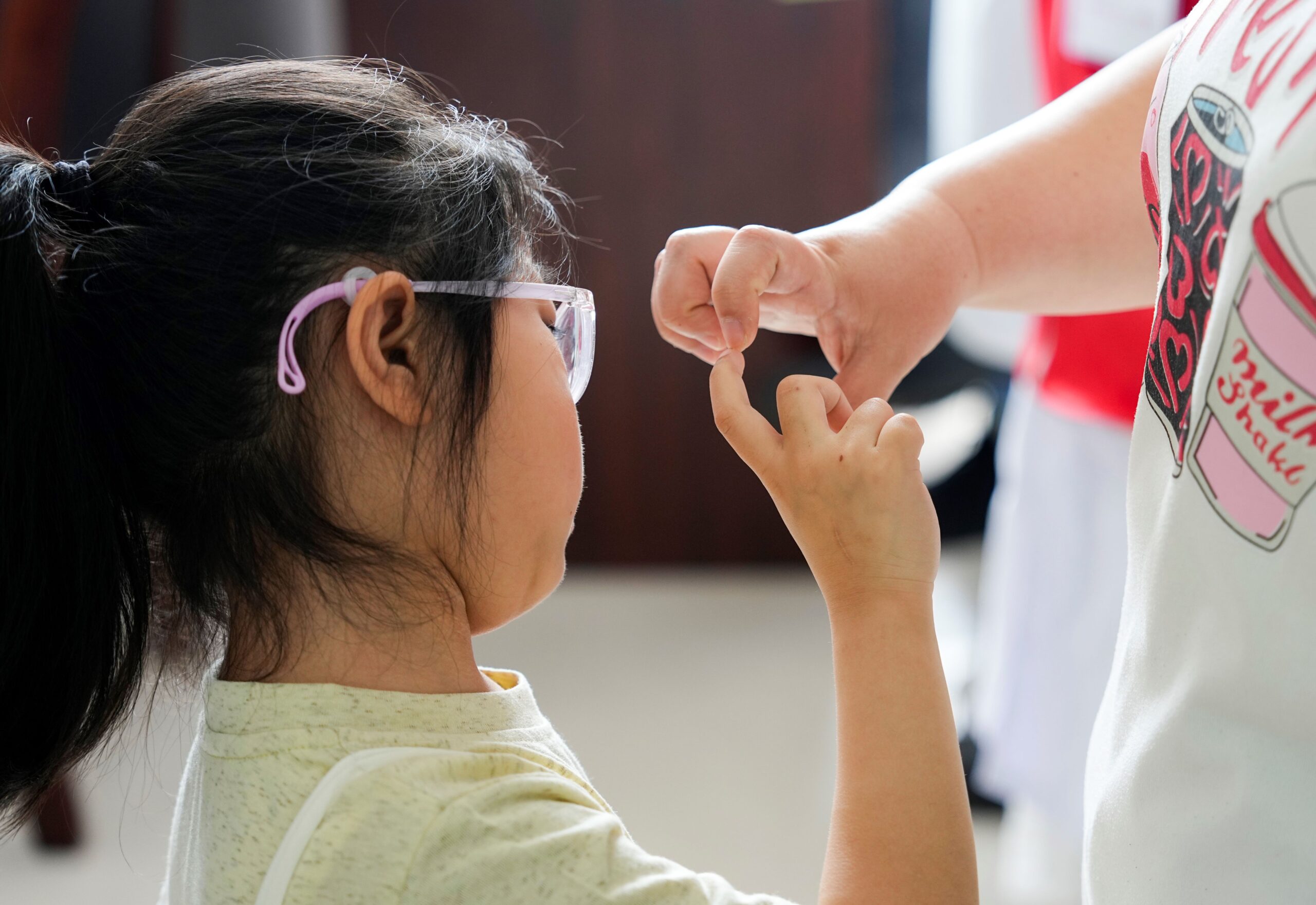

China’s five-year cancer survival rate for children and adolescents under 19 has reached 77.2%, according to a national study. The findings show significant progress in pediatric cancer care, with some cancers reaching world-class survival rates and surpassing WHO global targets.
China’s pediatric and adolescent cancer patients have achieved a five-year survival rate of 77.2 per cent, marking significant progress, with some cancer types reaching world-class levels, according to a national study published in The Lancet on Dec. 24th.
The study analysed 95,189 cases of individuals aged 0–19 diagnosed between 2018 and 2020, drawing on China’s National Centre for Pediatric Cancer Surveillance (NCPCS). The network now covers all 31 provincial-level regions and integrates data from 1,760 designated hospitals, capturing about 85 per cent of newly diagnosed cases nationwide.
Survival Rates by Age, Sex, and Cancer Type
The five-year survival rate for children under 14 was 77.8 per cent, while adolescents aged 15–19 reached 75.3 per cent. Girls had a slightly higher survival rate (79 per cent) than boys (75.8 per cent).
Outcomes varied across cancer types. Retinoblastoma recorded the highest five-year survival at 91.2 per cent, while malignant bone tumours had the lowest at 60.4 per cent.
For the six high-priority cancers defined by the World Health Organisation’s Global Initiative for Childhood Cancer—acute lymphoblastic leukaemia, Burkitt lymphoma, Hodgkin lymphoma, retinoblastoma, Wilms tumour, and low-grade glioma—all five-year survival rates exceeded 80 per cent, with the highest reaching 93.8 per cent. This surpasses the WHO’s global target of 60 per cent survival for these cancers.
National Progress and Regional Gaps
“Compared with estimates from a decade ago, the five-year survival rate for cancer patients aged 0–19 in China has improved markedly,” said Ni Xin, director of the NCPCS and president of Beijing Children’s Hospital, affiliated with Capital Medical University.
He added that survival rates for common childhood cancers such as leukaemia and lymphoma have risen significantly, with neuroblastoma, retinoblastoma, and Hodgkin lymphoma now approaching levels seen in high-income countries. Improvements are attributed to healthcare reforms, enhanced inter-provincial medical billing, standardised treatment protocols, specialised major-disease policies, and a multi-centre collaborative network.
Despite national progress, survival rates vary by region. Five-year survival ranges from 72.6 per cent in lower-development areas to 84.9 per cent in higher-development regions, reflecting disparities in access to early diagnosis, specialised treatment, and follow-up care.
This study offers the first authoritative, nationwide assessment of childhood and adolescent cancer survival in China, reporting outcomes across 12 major diagnostic groups and 47 cancer subtypes. Its findings provide a critical reference for public health planning and international comparisons.
Additional reporting by Xinhua, HKCNA.
If you liked this article, why not read: 79-Year Milestone: How Has China’s Health Revolution Boosted Lifespans?







XxjpsgC000110_20251218_PEPFN0A001.jpg)