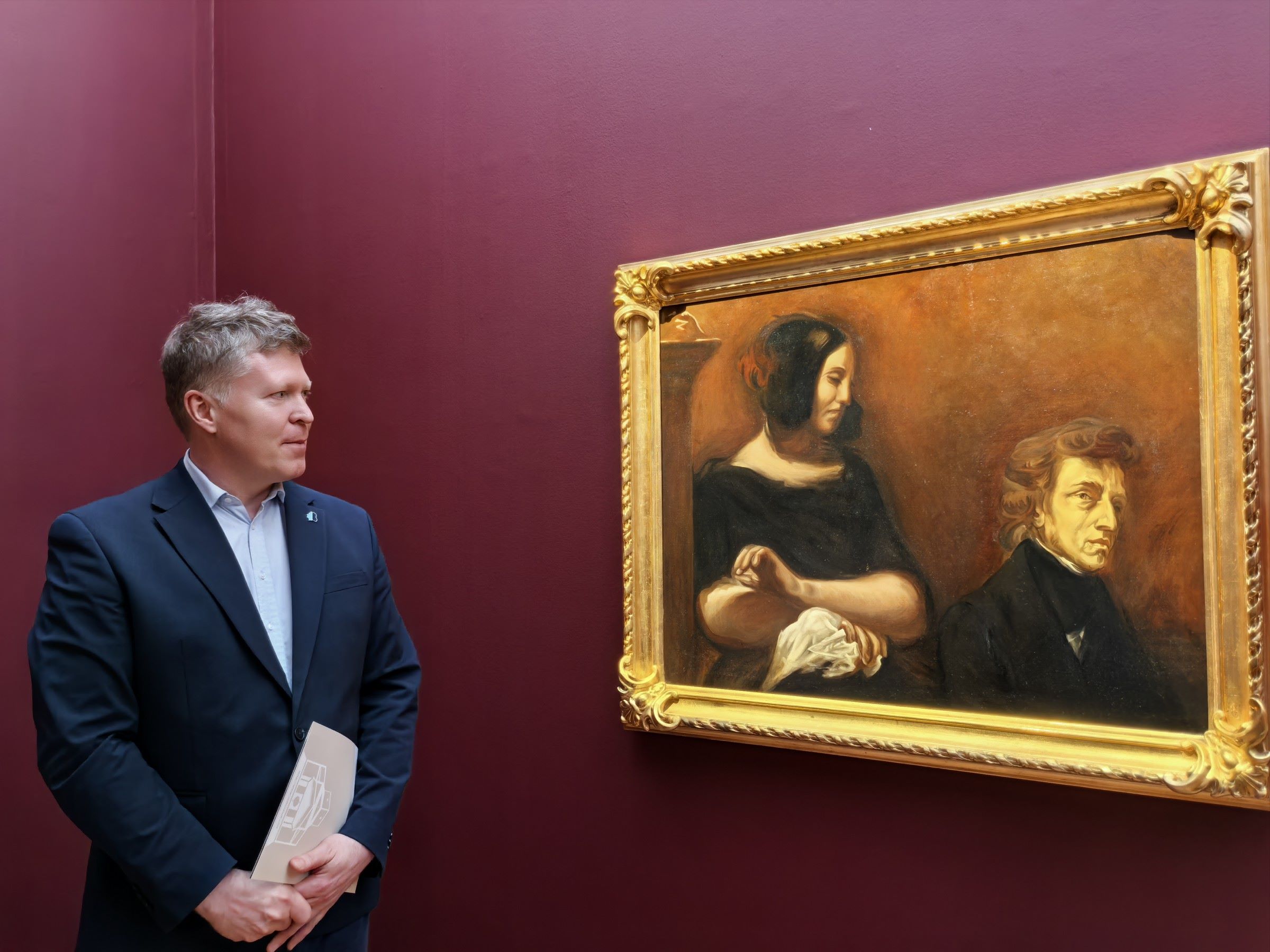
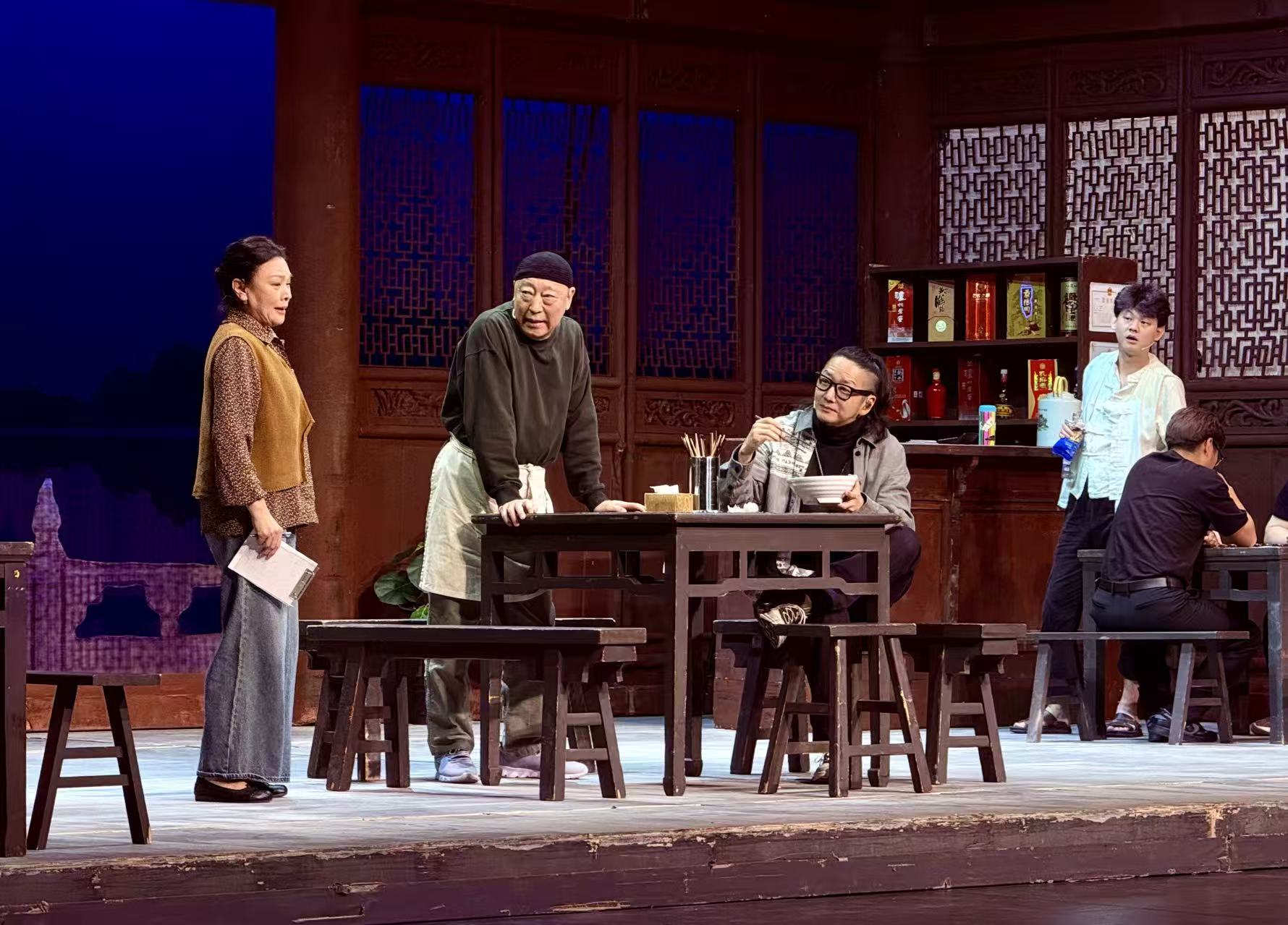
From imperial power to sudden downfall, uncover the story of Liu He—the 27-day emperor—through the extraordinary treasures of the Haihun Marquis Tomb.
Liu was the grandson of Emperor Wu of Han. However, he ruled for only 27 days before officials deposed him. As a result, he became one of the shortest-reigning emperors in Chinese history.
At first, he served as King of Changyi. Then, he briefly became emperor. Soon after, he lost everything and lived as a commoner. Eventually, the court granted him a lesser title, Marquis of Haihun. Thus, his life moved through four roles: king, emperor, commoner, and marquis.
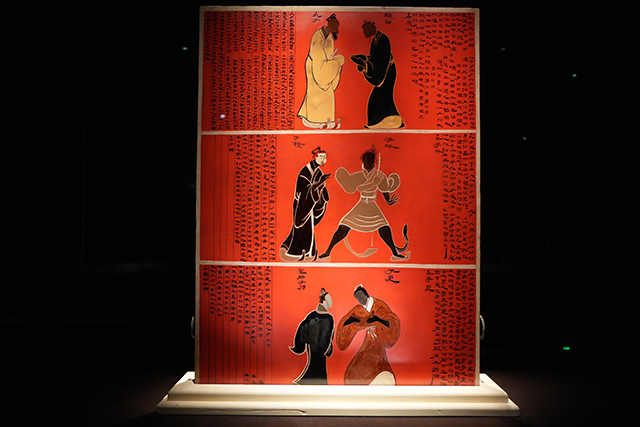
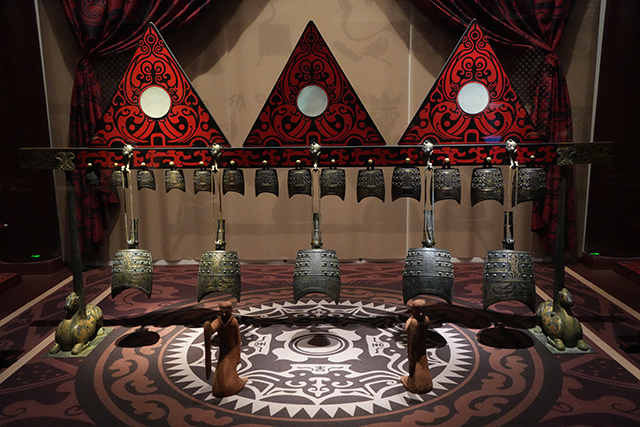
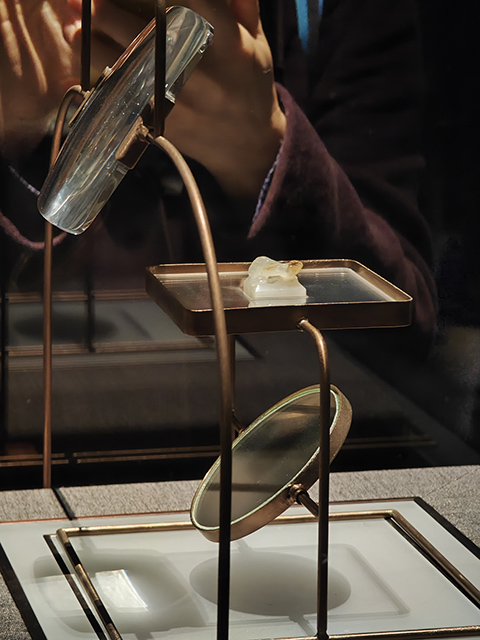
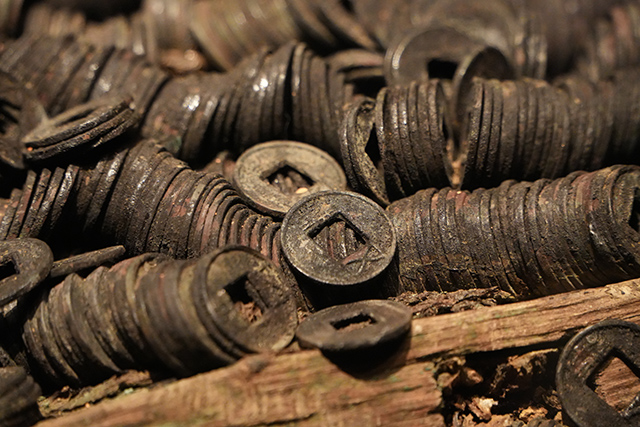
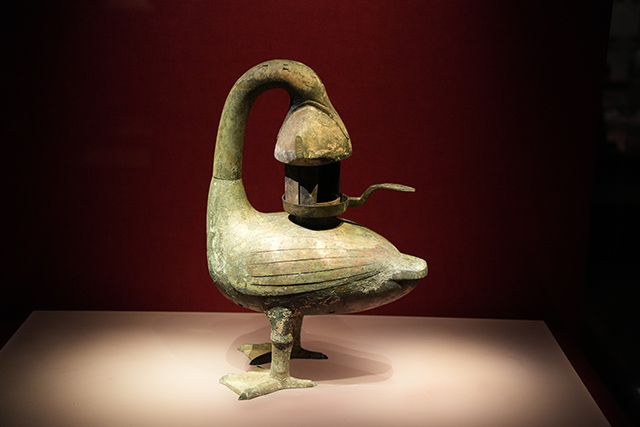
Moreover, his tomb reveals remarkable wealth. Archaeologists have uncovered tens of thousands of artefacts. These include gold, jade, and bronze ritual and musical instruments. In addition, they found the earliest known portrait of Confucius. Altogether, these discoveries show both his extravagance and his turbulent life.
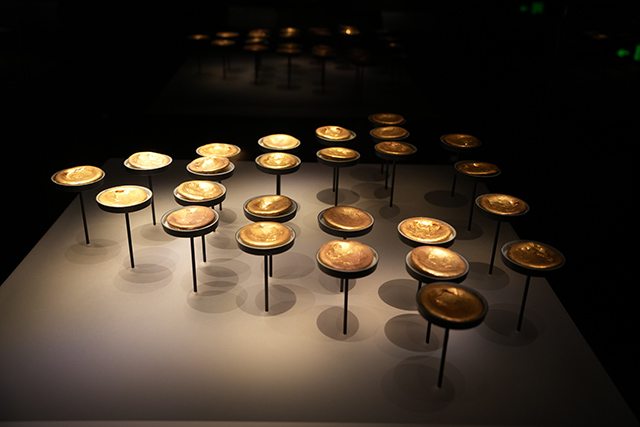
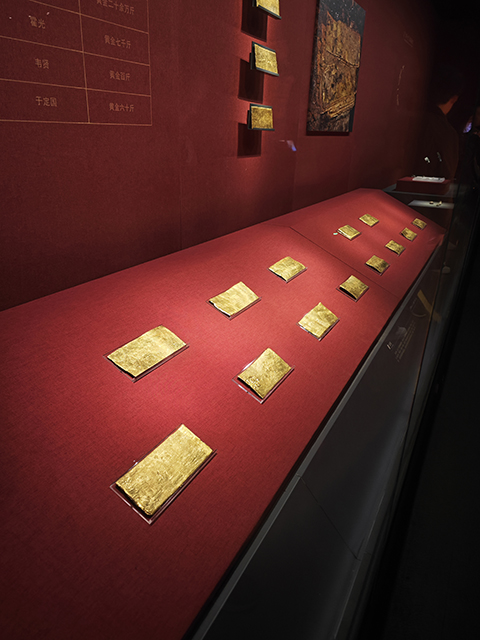
Archaeologists unearthed 385 pie-shaped gold artefacts from Liu He’s tomb. Each piece weighs about 250 grams and boasts an extremely high purity of up to 99%. This level of purity is highly unusual for its time. Moreover, it provides solid proof that gold smelting technology in the Han Dynasty was remarkably advanced.
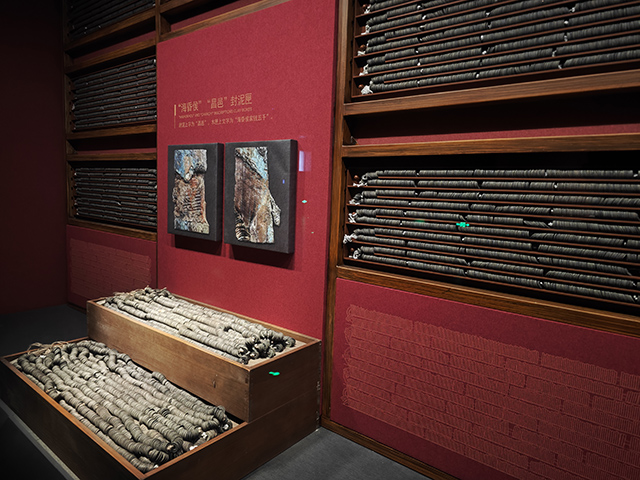
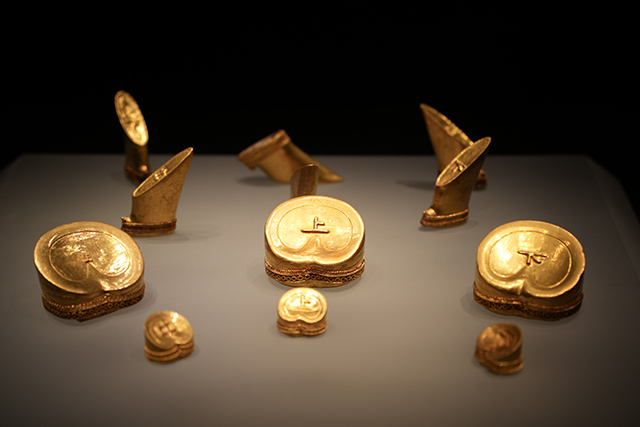
Liu’s tomb contained 48 pieces of Niaoti gold and 25 pieces of Linzhi gold. Some scholars argue that people cast Niaoti gold into the shape of heavenly horse hooves, commonly called “horseshoe gold”; in contrast, they shaped Linzhi gold after the hooves of the auspicious qilin, giving it a boot-like form. Emperors mainly used these gold objects to reward ministers loyal to the throne, and they also granted them to those who achieved great military merit.
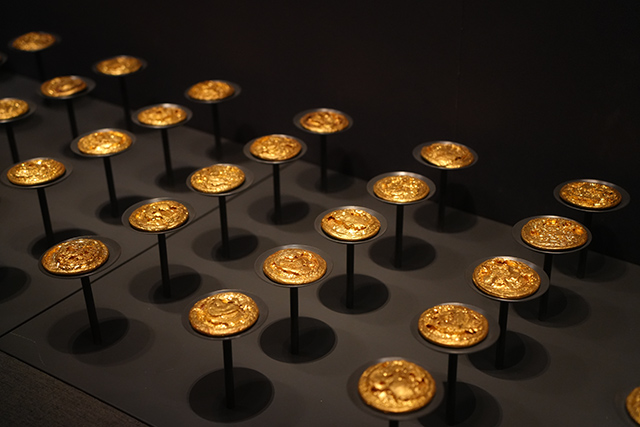
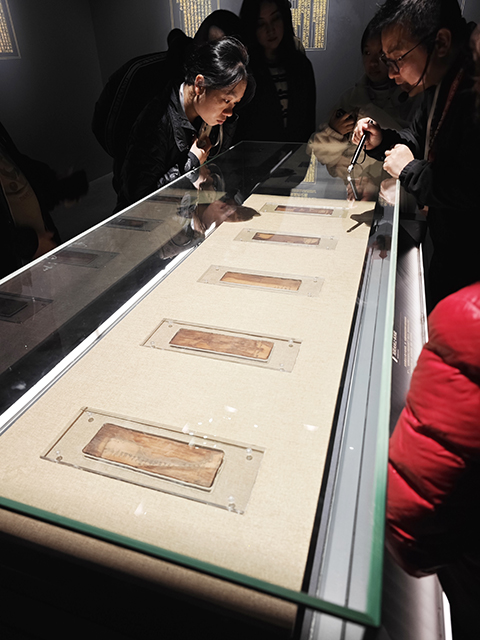
When Liu He was buried, attendants placed a glazed mat beneath his body. Then, they arranged 100 disc-shaped gold ingots below it. They set them in five columns and twenty rows.
In Han Dynasty tombs, people often used gold and coins in burials. Sometimes, they placed them directly in the tomb. At other times, they used them to decorate funerary objects.
As a result, these items served several purposes. They helped protect the body. They also aided the tomb owner in seeking immortality. Furthermore, they were believed to ward off evil spirits.
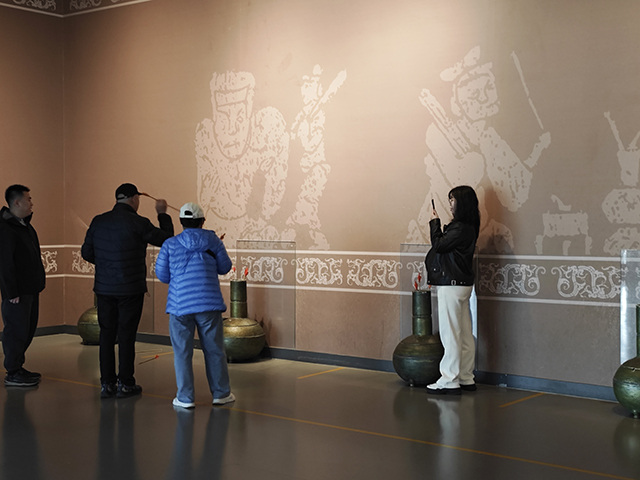
All Photos by Wang Di.
If you liked this article, why not read: The Return of Mythical Creatures: Imagination Across Centuries