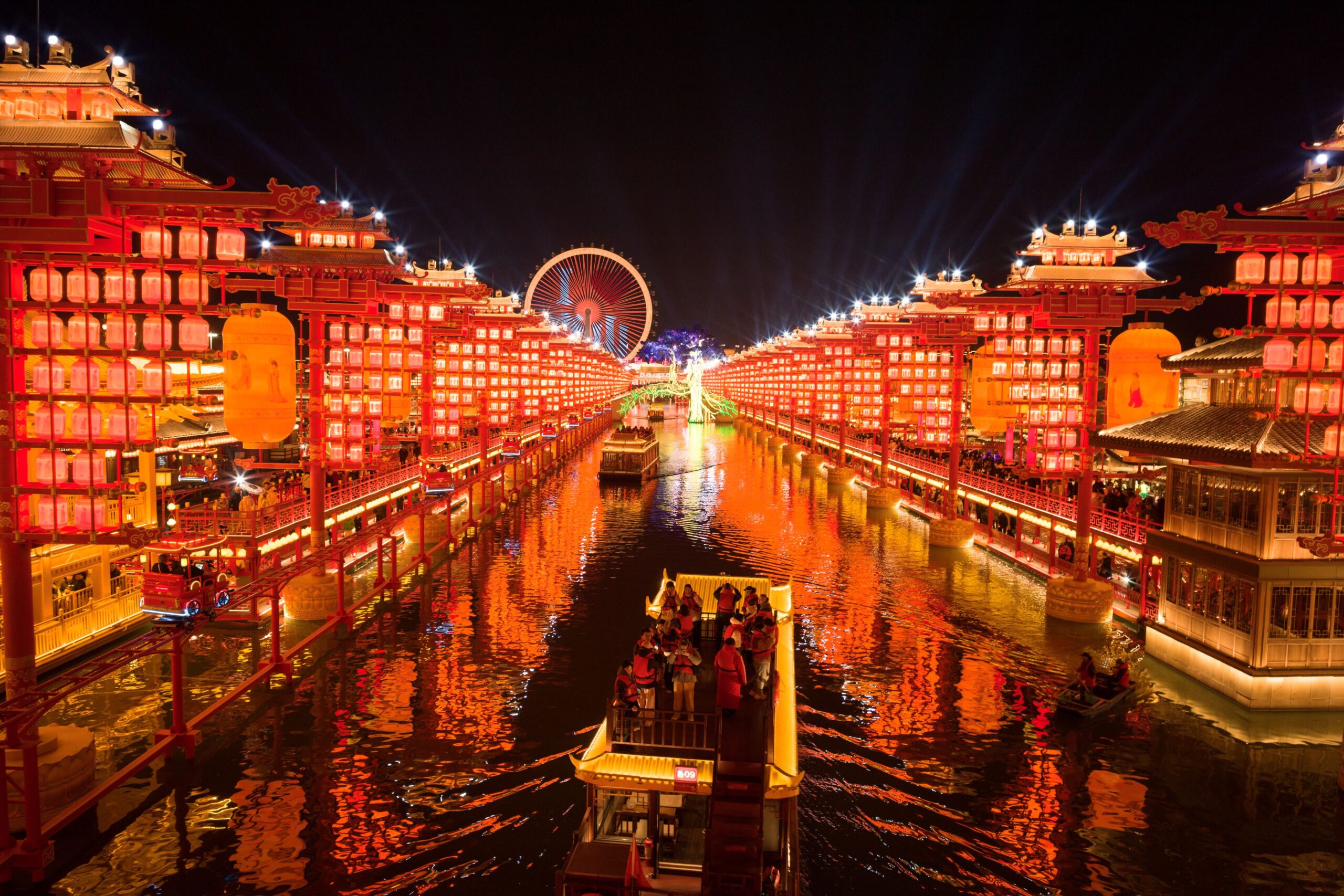

The Lunar New Year fills China with life, colour, and joy. Across the country, cities and scenic spots see huge crowds as locals and tourists gather to celebrate.
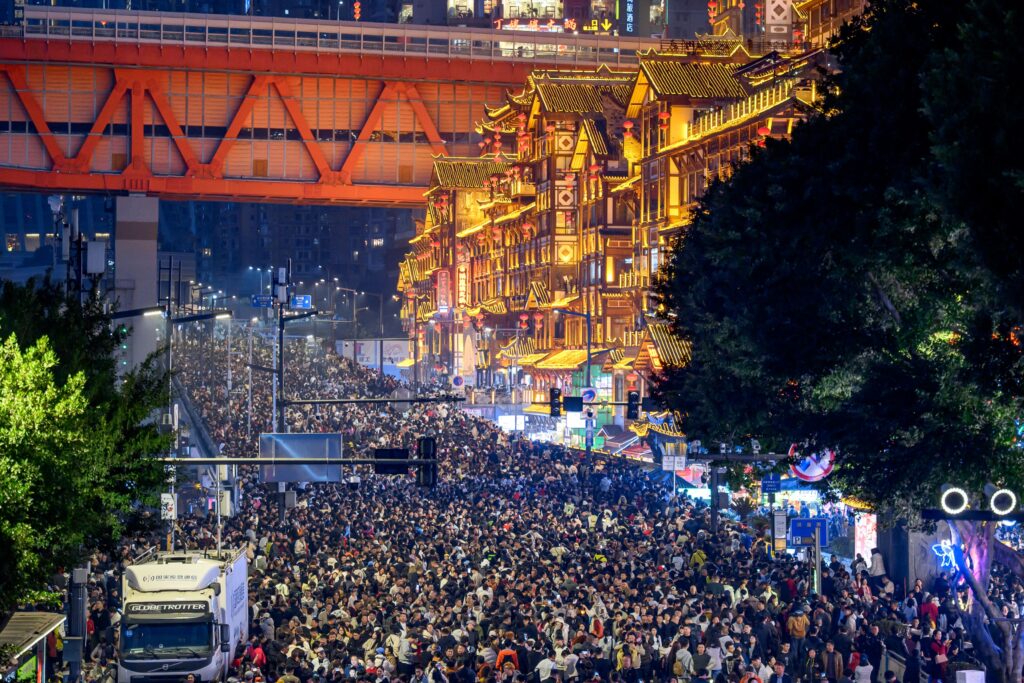
In Chongqing, Hongya Cave glows at night. Thousands of visitors throng the streets, enjoying the festive lights. Authorities close roads temporarily to ensure safety and improve the viewing experience.
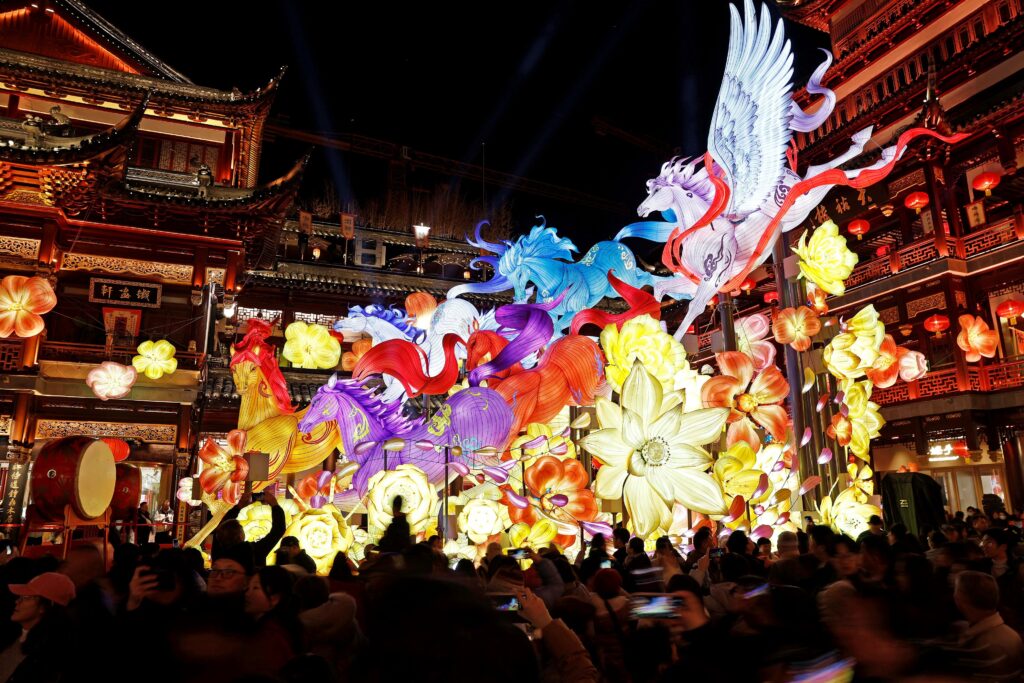
In Shanghai, Yu Garden hosts its Lantern Festival. Visitors admire the intricate lanterns, a national intangible cultural heritage.
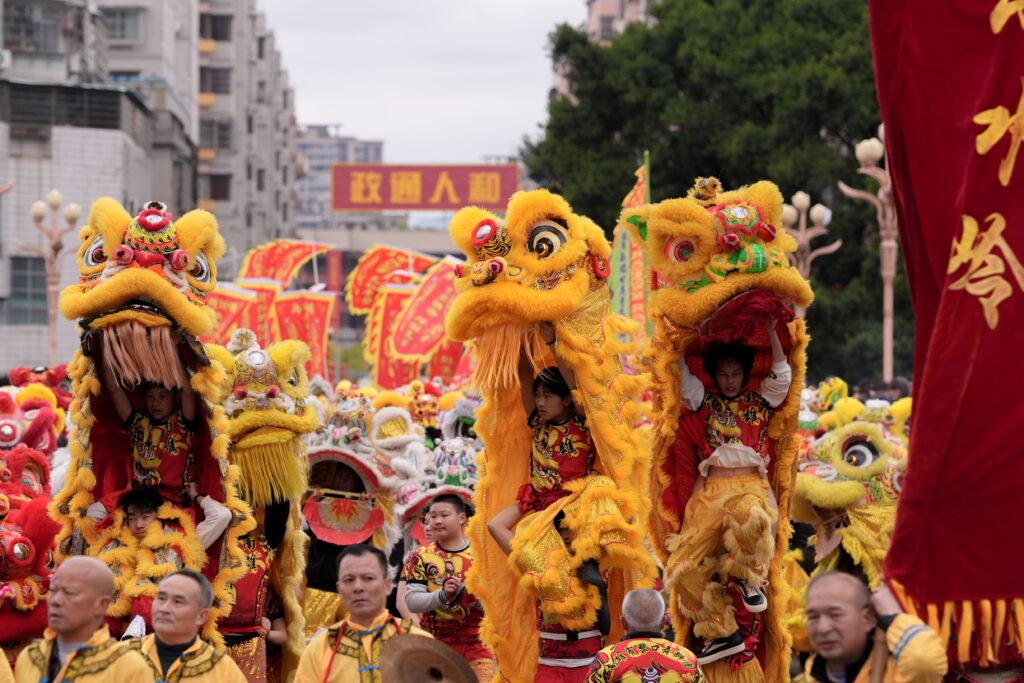
In Nanxiong, Guangdong, the “Hundred Lions Parade” brings local lion dance traditions to life, delighting the crowds with music and movement.
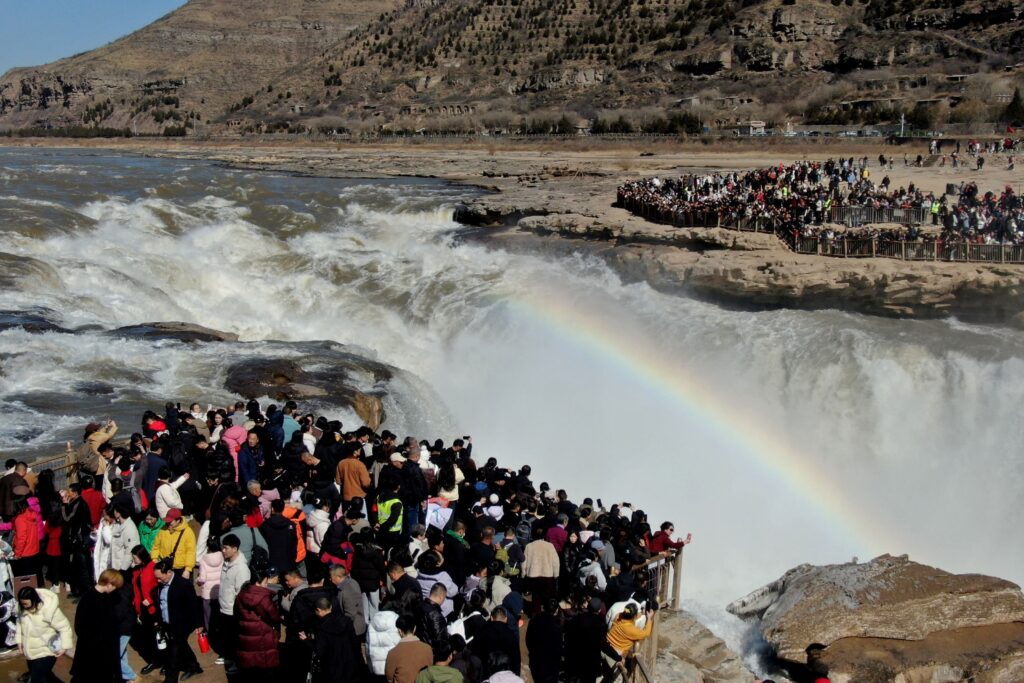
Hukou Waterfall in Shanxi attracts many visitors eager to see the dramatic falls during the holiday.
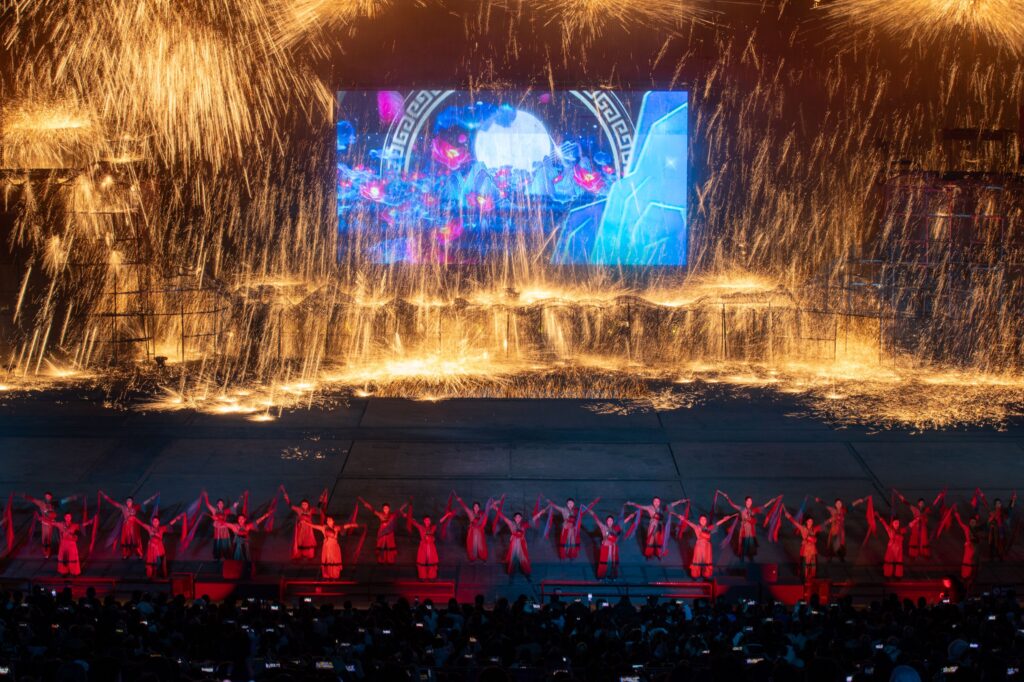
In Situ Town, Shanxi, the “Thousand-Year Iron Soul” iron flower performance draws enthusiastic audiences, blending artistry with tradition.
In Xinqiao Town, Fujian, villagers and tourists watch the “Bench Dragon” dance. This 200-year-old tradition uses benches as the dragon’s spine, decorated with colourful lanterns, symbolising prayers for peace and prosperity.
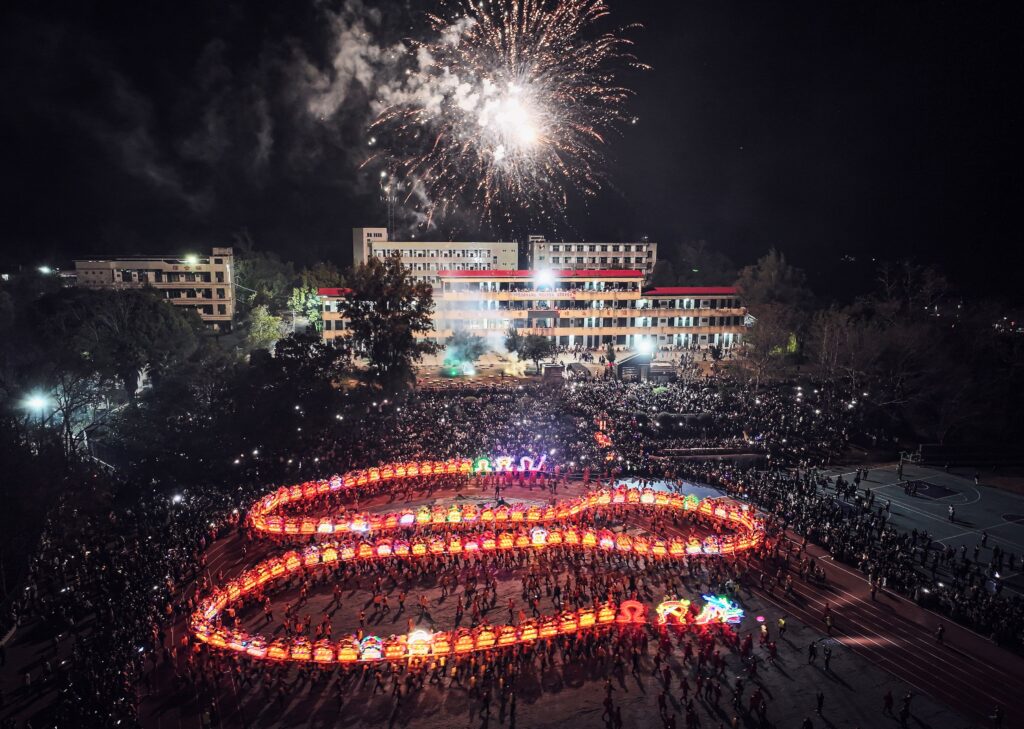
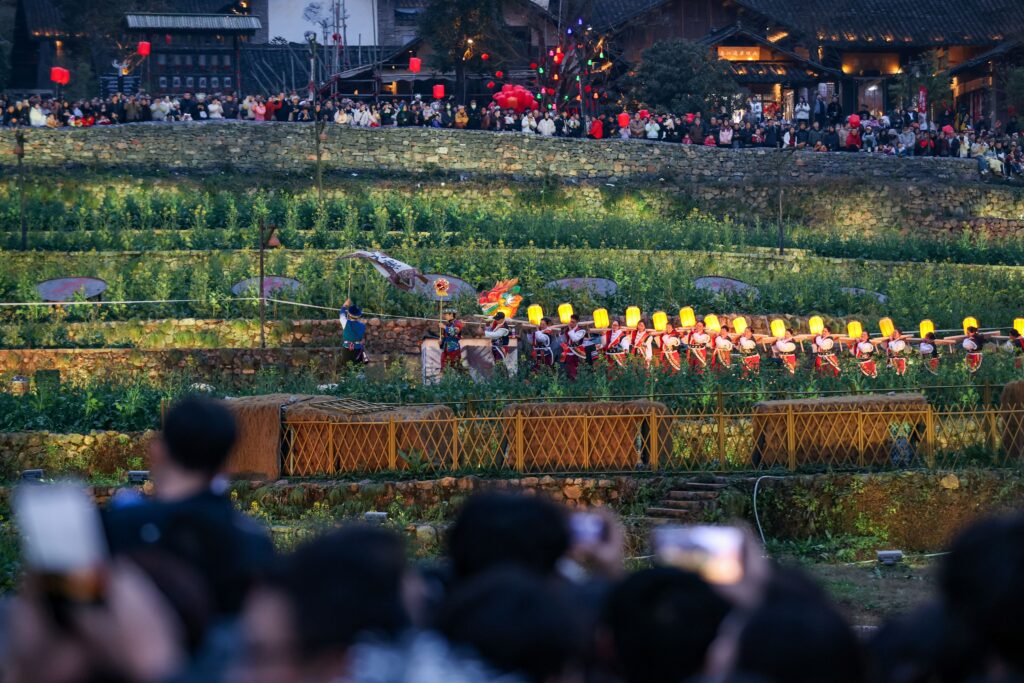
Similarly, Wujiangzhai, Guizhou, hosts bench dragon performances as part of the “Village Fireworks Festival,” entertaining large crowds.
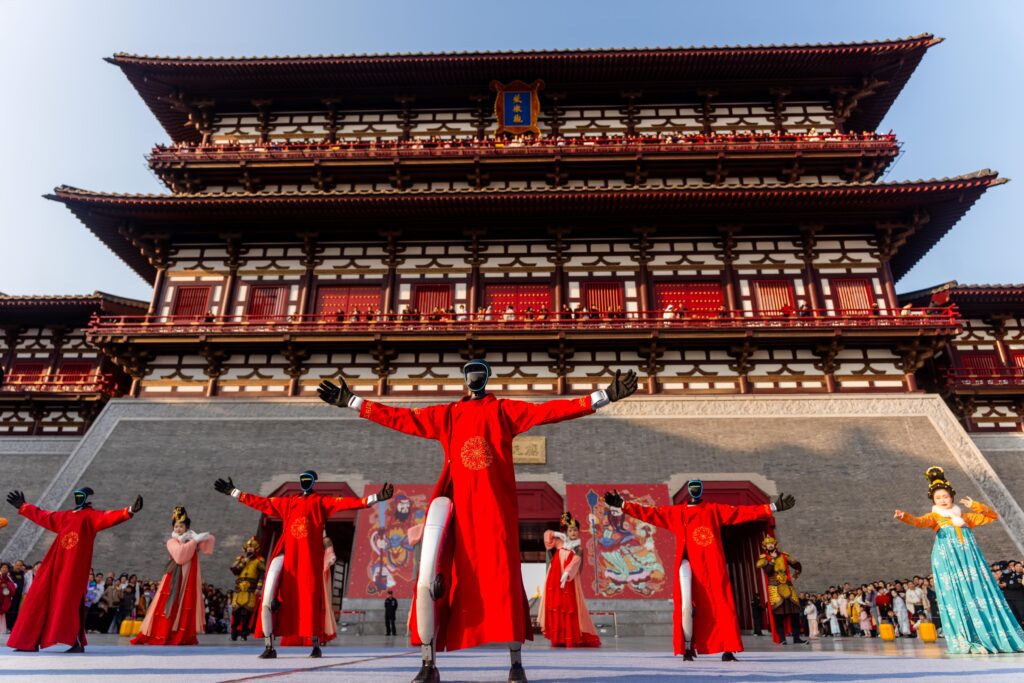
In Luoyang, Henan, a Hanfu-wearing robot interacts with performers, combining tradition with modern technology.
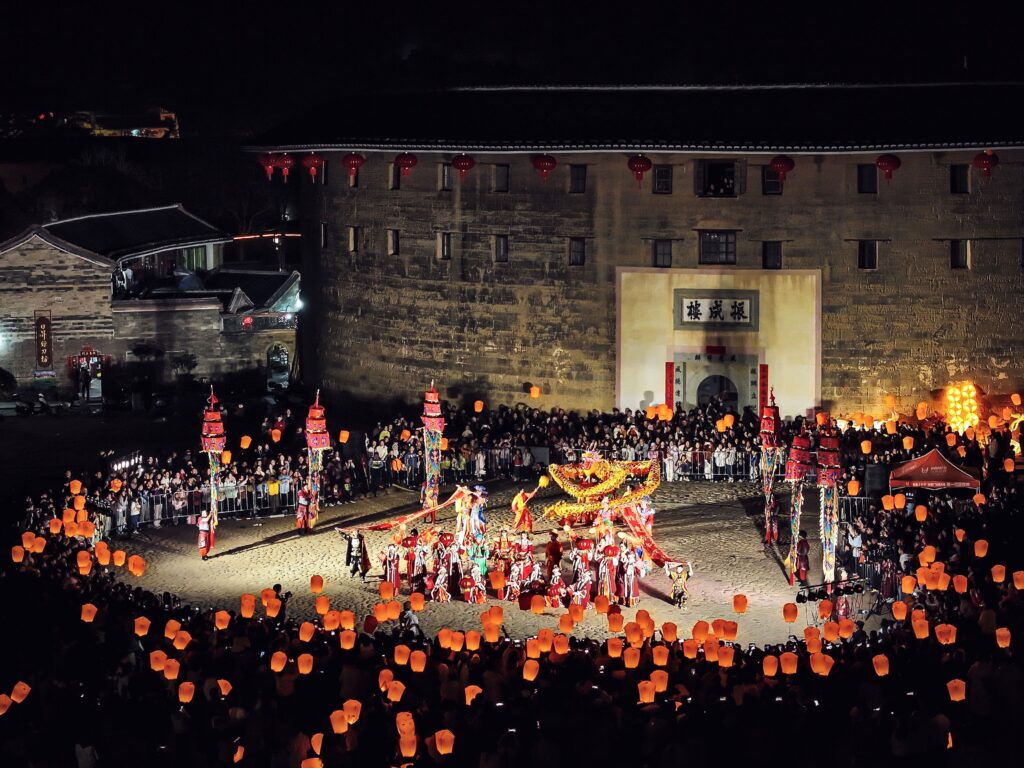
In Yongding, Fujian, visitors explore the UNESCO-listed Tulou, experiencing Hakka traditions of family reunion and community.
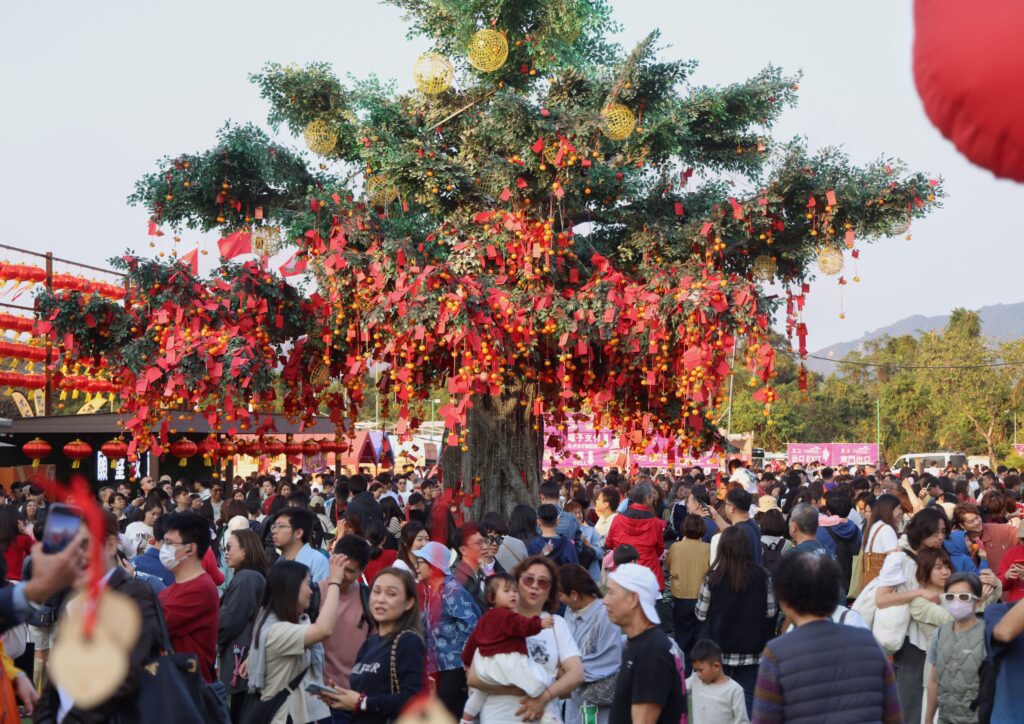
At Lam Tsuen Wishing Tree, Hong Kong, people hang prayer cards and toss offerings to welcome the new year. The tree is crowded with visitors amid festive decorations.
From bustling streets to scenic spots, China’s Lunar New Year is a spectacle of culture and celebration. Everywhere you look, there is a sea of people, sharing the joy of the season.
If you liked this article, why not read: First Incense of the Lunar New Year: A Tradition Lives On