
In 2025, China’s private sector strengthened trade, innovation, and global competitiveness amid economic uncertainty, supported by clearer rules and sustained market momentum.
As global economic uncertainty continued through 2025, China’s private sector emerged as a key source of resilience in trade, innovation, and industrial upgrading. Despite external pressures, private enterprises expanded their role in the domestic economy while deepening engagement with global markets. The introduction of new legal protections during the year also helped strengthen policy clarity for businesses and investors.
Official data show that private enterprises remained central to China’s economic performance. By the end of May, China had 185 million registered private market entities, accounting for nearly 97 per cent of all business entities nationwide. More than 58 million of them were private enterprises, reflecting steady growth despite a complex international environment.
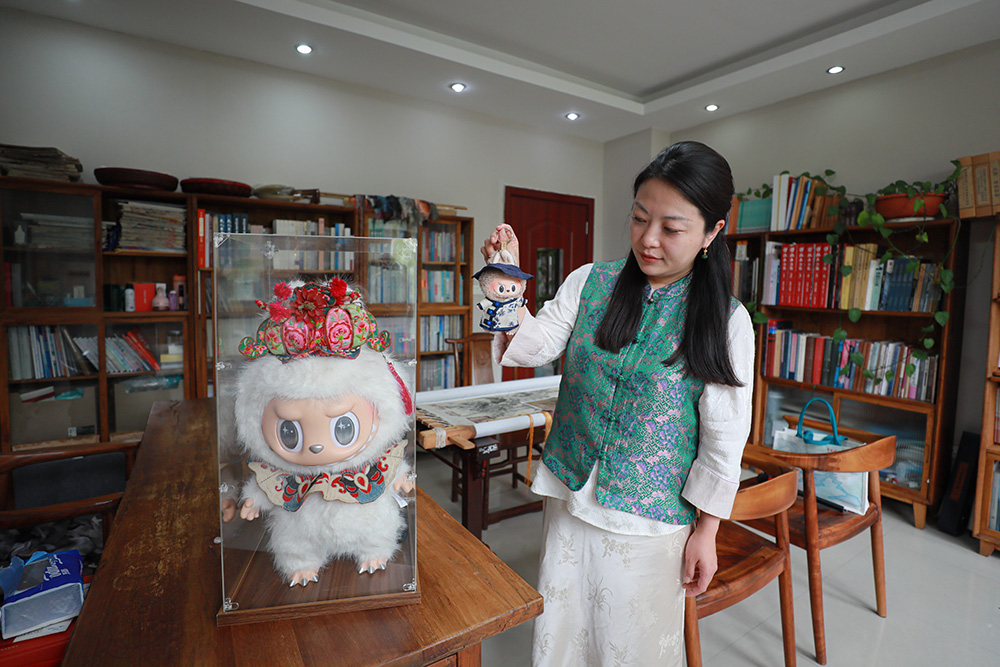
This scale empowers private firms to play a decisive role in employment, investment, and supply chains. Compared to other market players, private companies tend to respond more quickly to shifts in demand and technological advancements. As a result, they often take the lead in expanding into emerging industries and overseas markets.
A Major Driver of Growth Across Regions
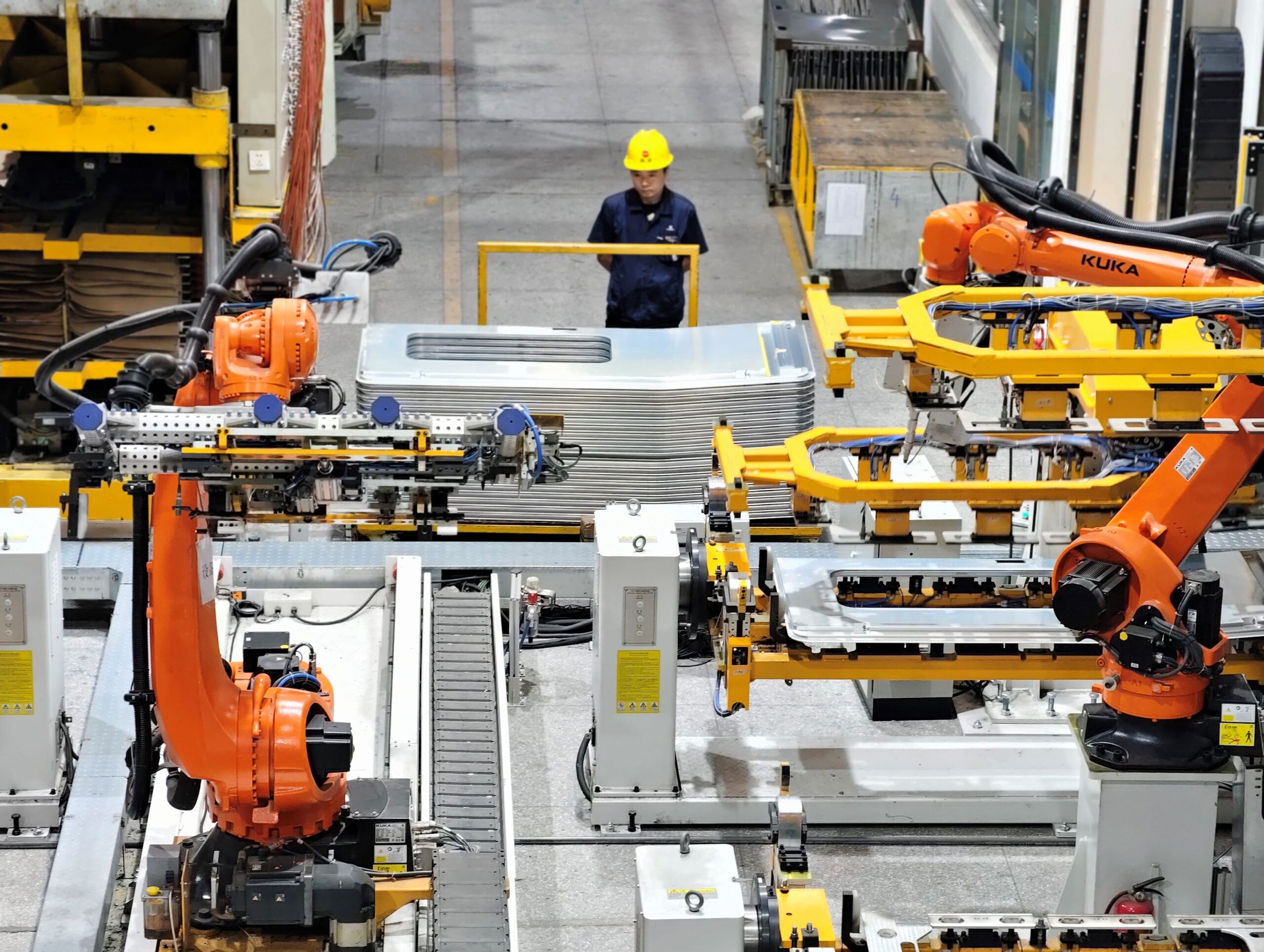
Private enterprises continued to anchor growth in China’s key economic regions throughout the year. In Zhejiang Province, both long-established manufacturers and newer technology firms ranked among the country’s top private enterprises in 2025, highlighting strong business continuity and adaptability. In Fujian, the manufacturing hub of Jinjiang reported stable economic expansion, driven largely by private companies. Guangdong also recorded steady growth in the number of registered private market entities, reinforcing its role as a major base for export-oriented businesses.
Beyond their domestic footprint, private firms played an increasingly important role in global trade. Amid rising protectionism and fluctuating international demand, they maintained faster growth in imports and exports than other market participants. In the first three quarters of 2025, private enterprises accounted for 57 per cent of China’s total foreign trade value and contributed 4.3 percentage points to overall trade growth. These figures underscore their importance to global supply chains at a time of heightened uncertainty.
Innovation Fuels Global Competitiveness
Innovation remained a defining feature of China’s private sector in 2025. According to industry data, private enterprises accounted for more than 90 per cent of the country’s high-tech firms and over 80 per cent of “specialised and innovative” small and medium-sized enterprises. They also became the largest contributor to China’s high-tech product exports, signalling a shift toward higher value-added production.
Several companies illustrated this trend. In artificial intelligence and robotics, Hangzhou-based Unitree Robotics secured a leading position in global shipments of humanoid robots, with products used in research and industrial testing worldwide. In consumer and industrial technology, Huawei launched the world’s first foldable personal computer powered by its HarmonyOS operating system, marking a notable step for domestically developed operating systems in the global PC market. Meanwhile, electric vehicle maker BYD continued to expand internationally by increasing investment in research and development and upgrading core technologies. In the first 11 months of the year, the company ranked among the top sellers of new energy vehicles in multiple overseas markets.
Together, these cases show how China’s private enterprises are moving beyond cost-based competition. Instead, they are increasingly competing on technology, performance, and system integration.
Clearer Rules and Cautious Optimism Ahead
Policy developments during the year also shaped market expectations. On May 20th, China’s Private Economy Promotion Law came into effect, providing legal support for equal market access, property rights protection, and improved financing conditions for private enterprises. By placing long-standing policy commitments into law, the legislation helped reduce uncertainty and improve predictability for businesses operating in China.
Alongside the new law, government agencies maintained regular dialogue with private companies to address operational challenges and improve policy implementation. The focus shifted from one-time policy announcements to ongoing communication, reinforcing confidence among market participants.
International financial institutions took note. In a recent report, Goldman Sachs described China’s market as increasingly investable, citing easing core risks, progress in advanced technologies, and improvements in the regulatory environment for private enterprises. While challenges such as global economic slowdown and geopolitical tensions remain, the report suggested that China’s growth outlook has become more balanced compared with previous years.
As China looks ahead to the next stage of its economic planning, private enterprises are expected to play a larger role in major projects, industrial coordination, and global market integration. With clearer rules and sustained innovation, the private sector is likely to remain a key driver of China’s economic resilience and engagement with the global economy.
Written by Ronnie Yu, additional reporting by CNS, HKCNA.
If you like this article, why not read: China Expands Top Scientific Honours for Private-Sector Innovators.