
China’s Hainan Free Trade Port launches island-wide customs operations, widening zero-tariff coverage and easing trade rules to attract global business and investment.
China’s Hainan Free Trade Port officially launched island-wide customs operations on Dec.18th, marking a major step in the country’s push for higher-level opening-up and trade liberalisation, according to HKCNA.
With the move, Hainan began implementing a broader zero-tariff policy and more flexible trade management measures across the entire island. Covering more than 30,000 square kilometres, Hainan now operates as a special customs supervision zone.
Eight international ports and 10 so-called “second-line” customs checkpoints became fully operational on the same day, creating a new framework for goods moving between Hainan and overseas markets, as well as between Hainan and China’s mainland.
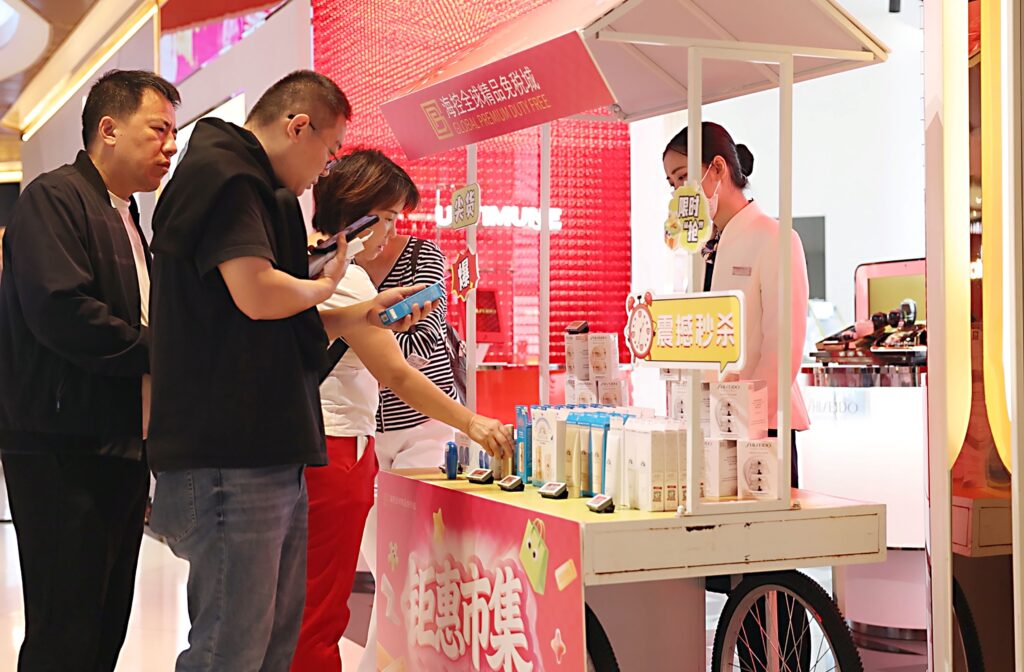
Zero-Tariff Policy Expanded to 6,600 Product Categories
At the core of the reform is an expanded zero-tariff policy. As of Dec.18th, tariff exemptions apply to more than 6,600 product categories, significantly wider than before.
As a result, companies are already seeing cost reductions. At Yangpu Port, raw materials imported by Jingbo (Hainan) New Materials Co. are expected to receive tax exemptions worth nearly 10 million yuan (about £1.06 million). Meanwhile, at Sanya Phoenix International Airport, pearl products manufactured by Hainan Hairun Pearl Co. are being shipped to Guangzhou under a policy that exempts qualifying value-added goods from import duties.
On the first day of the new customs regime, major ports including Yangpu and Sanya handled concentrated imports of crude oil, medical equipment, aircraft parts, and food ingredients. The total value of these zero-tariff imports is estimated to exceed 500 million yuan (about £53 million).
Notably, many of the tariff-free goods are intermediate products, such as chemicals, machinery, electronic equipment, and textiles. These items can be circulated among eligible businesses without incurring additional import taxes. Once processing adds at least 30 per cent in value, the goods can enter the mainland market duty-free.
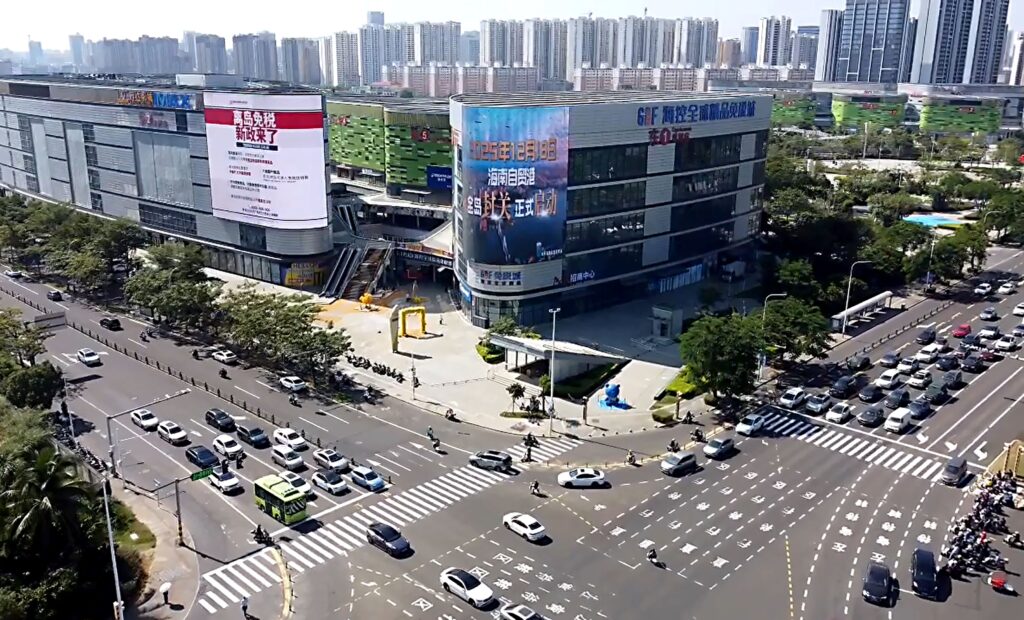
Business Incentives and Travel Access Further Eased
In addition to trade measures, Hainan continues to roll out preferential tax policies. Qualified companies and high-end professionals can benefit from a 15 per cent corporate and personal income tax rate, often referred to as the “dual 15 per cent” policy.
Meanwhile, officials stressed that the customs operation does not restrict movement. On the contrary, travel and business access remain smooth. Chinese citizens do not need additional permits to enter or leave the island. Citizens of 86 countries can enter Hainan visa-free with ordinary passports.
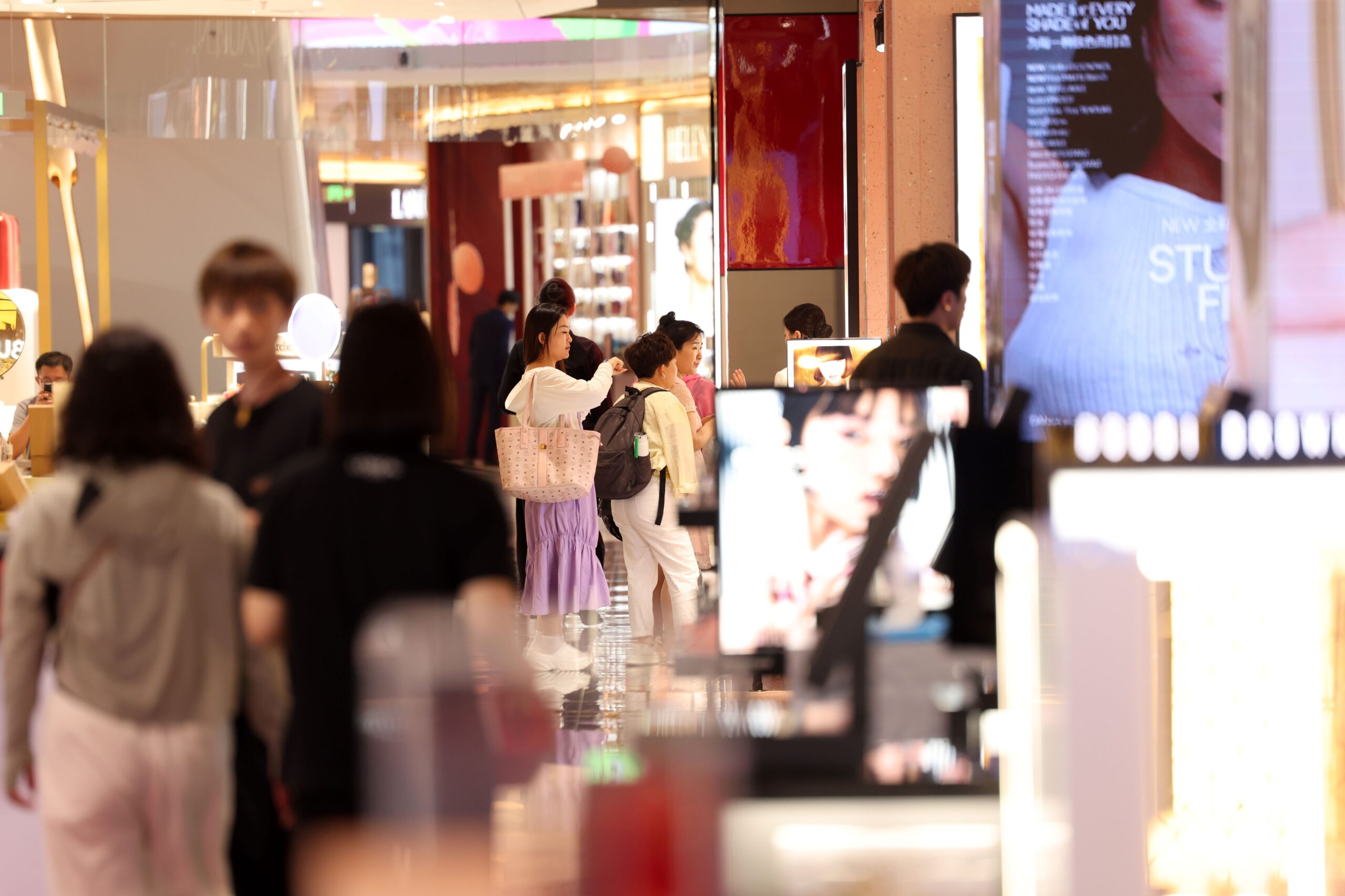
According to Liu Chunsheng, an associate professor at the Central University of Finance and Economics, mainland residents visiting Hainan can also enjoy a duty-free shopping quota of up to 100,000 yuan (about £10,600) per person, covering a wide range of imported goods.
Overall, authorities describe the launch as a move toward greater openness rather than isolation. With lower trade costs, simplified procedures, and easier cross-border movement, Hainan is positioning itself as one of China’s most liberal and internationally connected economic zones.
If you liked this article, why not read: Hainan Continues to Open Up With Independent Customs