
An annual report released in Hangzhou highlights how AI, smart devices, and immersive technologies are reshaping culture and tourism in 2025, positioning the city as a leading hub for intelligent tourism in China.
At the 2025 Hangzhou Digital Culture and Tourism Industry Development Conference, a new annual report was released. The report is titled AI Emergence: Hangzhou Digital Culture and Tourism Industry Development Report 2025. It identified five key trends shaping the city’s culture and technology integration. Among them, ‘intelligence’ emerged as a defining theme.
The five trend phrases are: a boom in immersive experiences, AI agents in culture and tourism, the rise of smart devices, growth in the audiovisual industry, and global promotion of culture and tourism.
AI Drives Hangzhou’s Culture and Tourism Innovation
Initially, Hangzhou has emerged as a powerhouse of China’s artificial intelligence industry. This year, the city announced plans to accelerate the development of a leading AI innovation centre. Several initiatives in culture and tourism have also shown Hangzhou’s dedication to achieving this citywide goal.
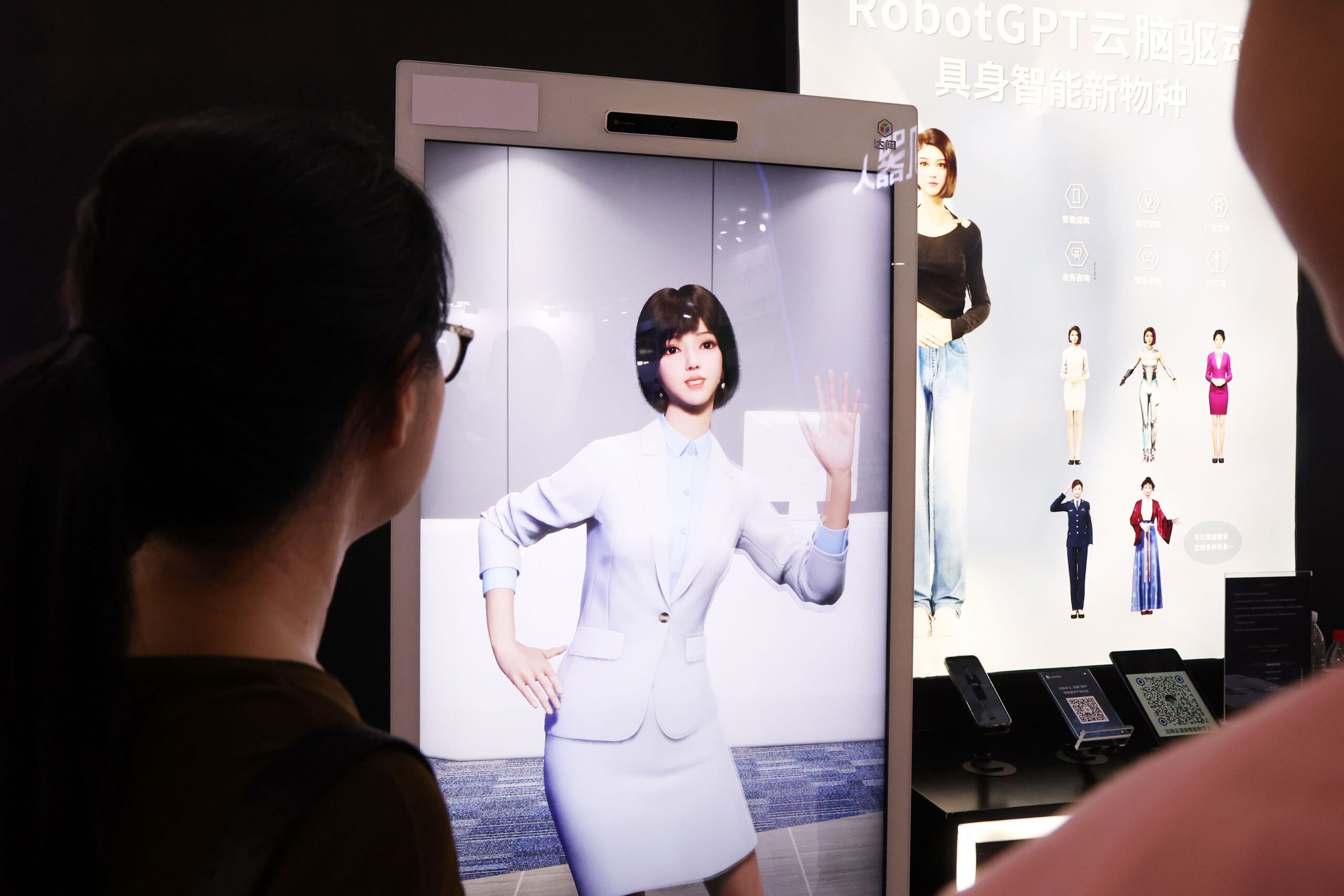
The trend phrase AI agents in culture and tourism highlights Hangzhou’s progress in developing intelligent tourism systems. Take Hang Xiaoyi as an example. It is China’s first city-level AI tourism agent, developed by the Hangzhou Municipal Bureau of Culture, Radio, TV and Tourism. Launched in September 2024, it offers services such as itinerary planning, attraction and ticket information, comfort levels at scenic spots, luggage handling, and AI-guided tours.
Moreover, another example is ‘AskMe,’ an AI-powered travel product launched this year by Fliggy, Alibaba’s online travel platform. Designed to think and act like a professional travel consultant, it generates accurate and practical travel plans. To date, AskMe has processed a total of 108.9 billion tokens and served around 1.7 million users.
Smart Devices and Immersive Tech Reshape Travel Experiences
Regarding the trend phrase rise of smart devices, the report provides multiple examples. In June, Hangzhou introduced its ‘New Top Ten Tech Tourism Spots,’ showcasing the city’s leading technology attractions. These include Alibaba’s global headquarters and AI Technology Park, Wensan Digital Life District, Xizi Corridor’s Art & Blind Box Music Concert, AI Town – Dream Town’s Tech Tourism Experience, and industrial robot laboratories. Since their launch, these sites have welcomed over 750,000 visitors in just five months.
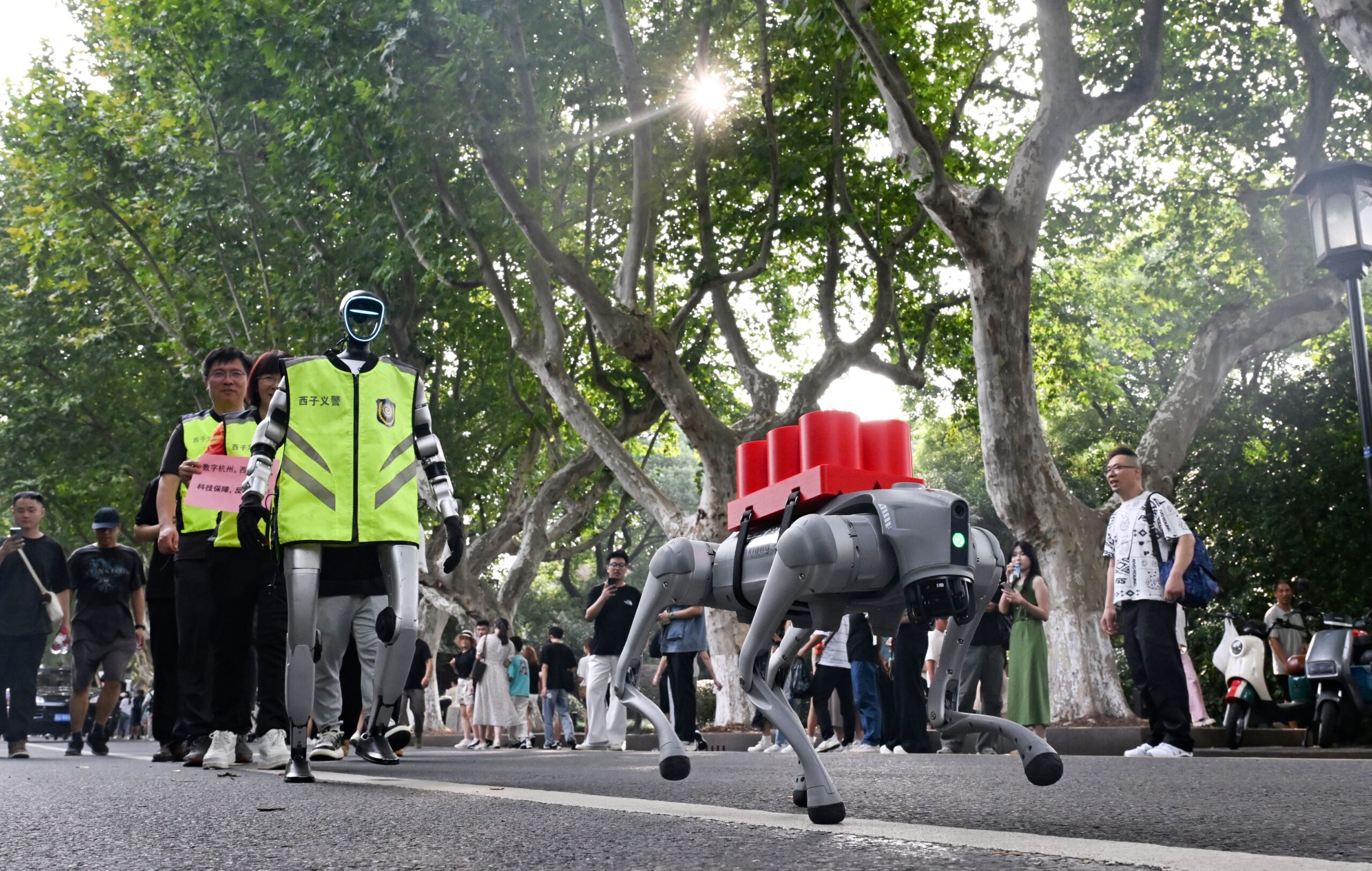
Since the beginning of this year, Hangzhou-based Unitree Technology has deployed its robotic dogs and other robots across scenic spots and cultural venues. Lingban Technology launched its AR travel program using smart glasses, offering innovative AI-guided travel experiences. Zero Zero Robotics introduced its ‘Flying Camera Drones’, helping to redefine tourism imaging. Together, these developments have become emblematic of Hangzhou’s rise in the smart devices trend.
Building China’s First AI-Powered Tourism City
Focusing on the integration of culture and technology, Hangzhou has now built a complete industry ecosystem connecting technology with cultural content and tourism scenarios. In the first three quarters of 2025, the city’s leading digital culture and tourism companies achieved a 10.6% year-on-year growth in revenue.
Sun Lingyun, Vice Dean of the Institute of Artificial Intelligence at Zhejiang University, points out that Hangzhou has significant advantages for leveraging AI to enhance the culture and tourism industry. These include a concentrated hub of AI companies, a solid foundation in the smart city system, a rich portfolio of cultural assets, a mature performing arts economy, and effective governance through technology. He believes the city should strategically upgrade to become China’s first city with AI-powered tourism infrastructure. Additionally, it should also aim to become the nation’s innovation hub for AI-enhanced culture and tourism.
If you liked this article, why not read: West Lake, Hangzhou: Sharing the Timeless Beauty Admired by Scholars and Poets