
At the World Conference on China Studies in Shanghai, international scholars delve into Chinese art, history, and heritage, exploring these topics beyond academic discussions.
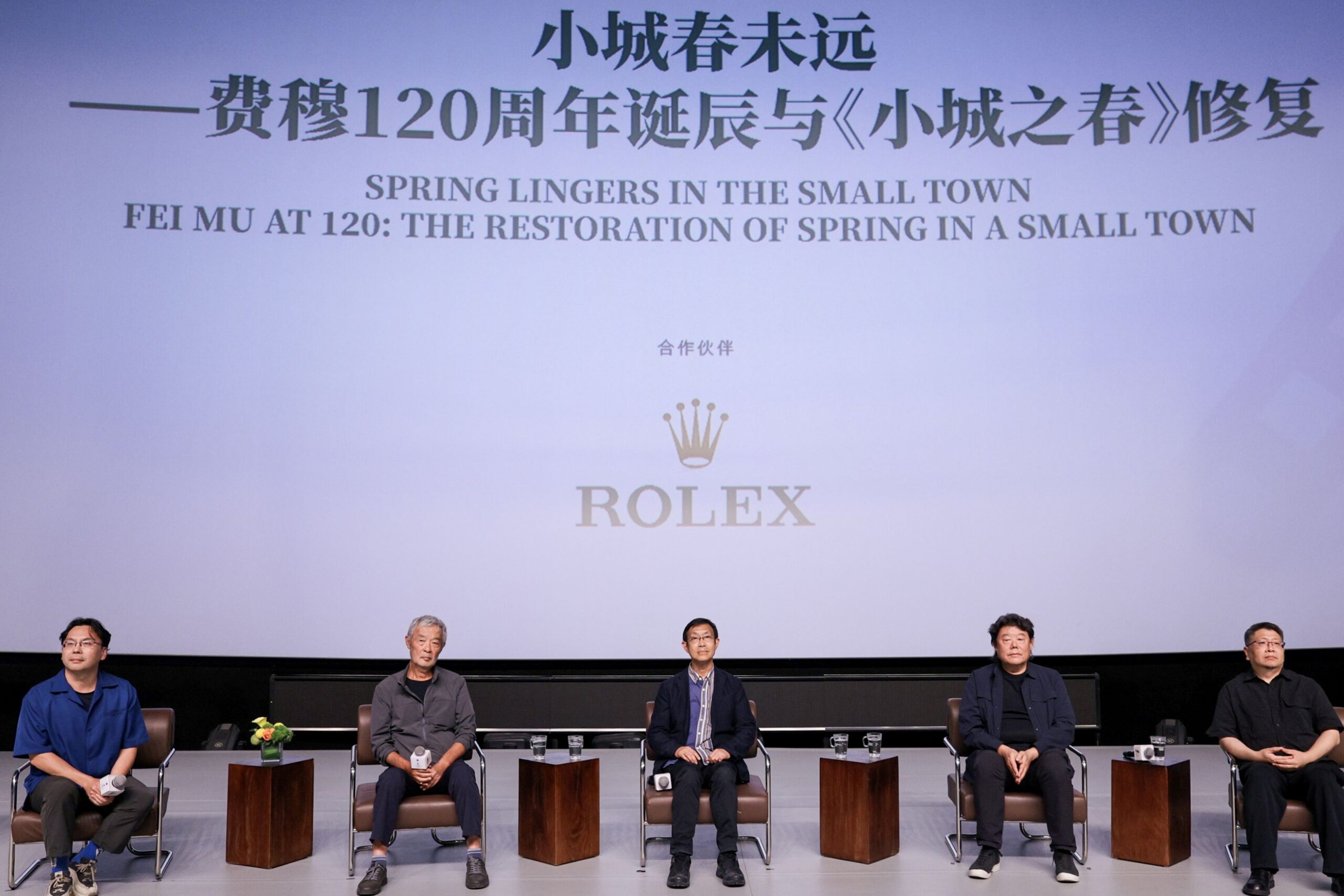
The second World Conference on China Studies opened in Shanghai on October 14, under the theme “Historical and Contemporary China: A Global Perspective.” Approximately 500 renowned experts and scholars from China and abroad convened to examine China’s past, delve into Chinese art, history, and heritage, exploring these topics and their global significance. The event included an opening ceremony, a main forum, five parallel sub-forums, and several related activities.

A Global Dialogue on China
At the opening session, British scholar Martin Jacques noted that China studies is entering a period of major growth, though this is only the beginning. He observed that some Western academics still view China through a Western lens. Yet China has never been, and will never become, the West. Understanding China, he emphasised, must start from China’s own realities rather than denying its distinct history and social foundations.
Jacques also pointed out that while the world is eager to understand, cooperate with, and learn from China, much of its rich history, remarkable culture, effective governance traditions, and foreign policy principles remain underexplored. The global curiosity about China, he said, is already strong and will only grow in the years ahead.
Discovering Harmony in Jiangnan Art
Beyond the forum discussions, many participants took the opportunity to visit the Shanghai Museum East Branch, just five kilometres from the conference venue, seeking a more personal encounter with Chinese art and culture.
In the Jiangnan Creation Hall, Richard Sakwa, a political science professor emeritus at the University of Kent, paused for a long time before Boats Moored at Wumen (舟泊吴门图), a painting from the Ming Dynasty. The tranquil boats drifting through Suzhou’s waterways reflected the balance and calm that define Jiangnan culture. Earlier this year, he had visited Suzhou and noticed similar beauty in its classic gardens—small in size, yet rich in poetic details. Standing before the painting, he found another layer of the same harmony.

When Ancient Scripts Speak
A few steps away, Konstantinos Polymeros from the University of Western Macedonia in Greece moved from one display case to another, tracing ancient scripts carved into bone and bronze. His fascination with Chinese writing began years ago during a visit to Changsha, where he studied silk manuscripts from the Mawangdui Han tombs. Each inscription seemed to “speak” through time, revealing not only artisans’ skills but also the thoughts and values of earlier generations. To him, these artefacts were living documents of human imagination.
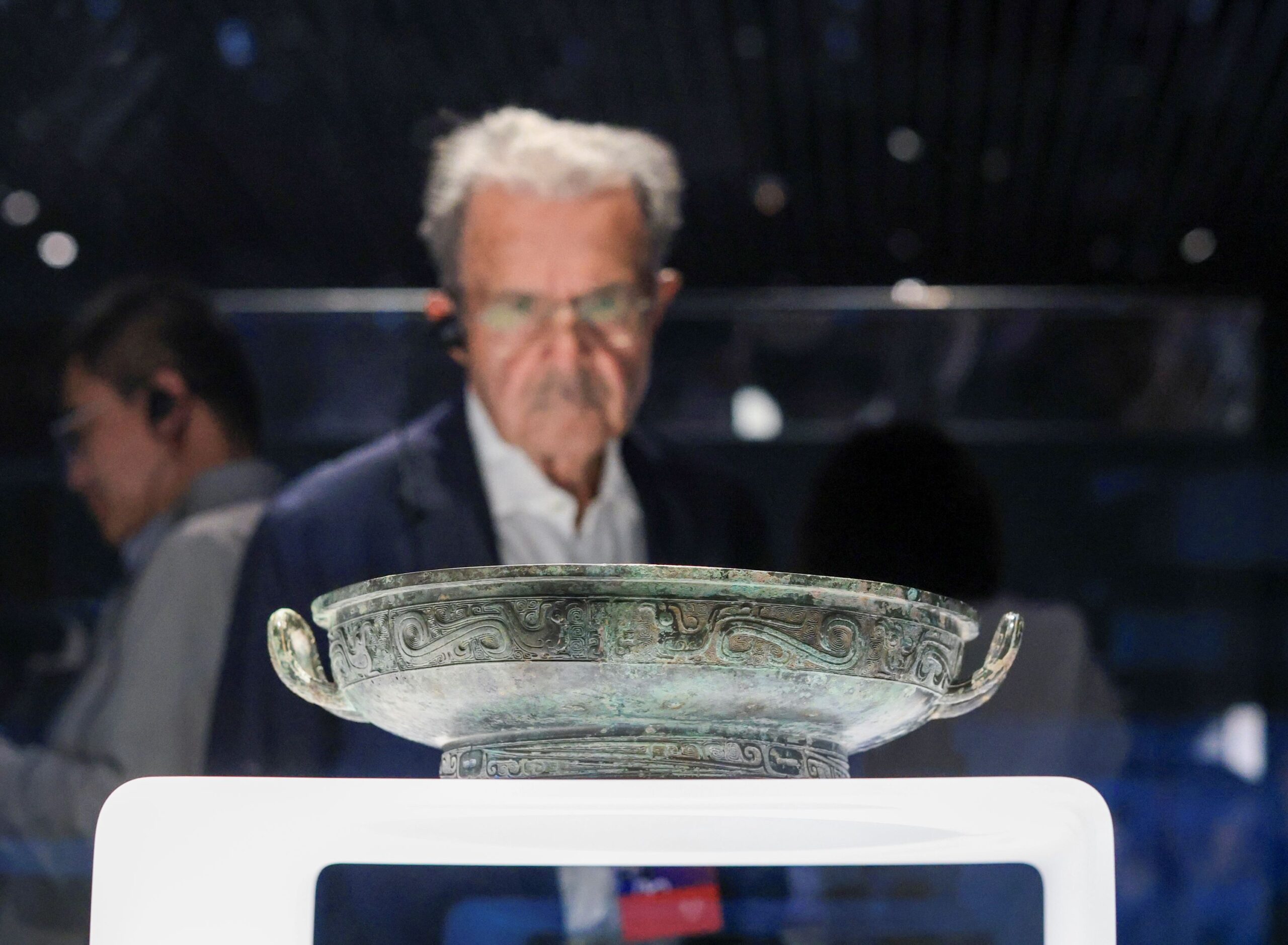
The most photographed pieces in the bronze gallery were a ritual wine container in the shape of a buffalo (Xizun). Italian researcher Dario Famularo lingered there, observing how the form blended function with a touch of humour. The animal figures reflected China’s view of harmony between people and nature. The museum visit, he said, might bring unexpected inspiration for his future studies on cultural symbolism.
As scholars walked through galleries filled with bronzes, calligraphy, and paintings, many seemed to find quiet connections between the past and present. Some came from linguistics, others from art history, etc., yet all shared a sense of discovery that went beyond academic research. The museum experience complemented the broader discussions of the World Conference, which focused on understanding China from global perspectives.
Written by Chen Wang, additional reporting by CNS.
If you liked this article, why not read: László Krasznahorkai: Newly Nobel Literature Winner Who Looks to the East