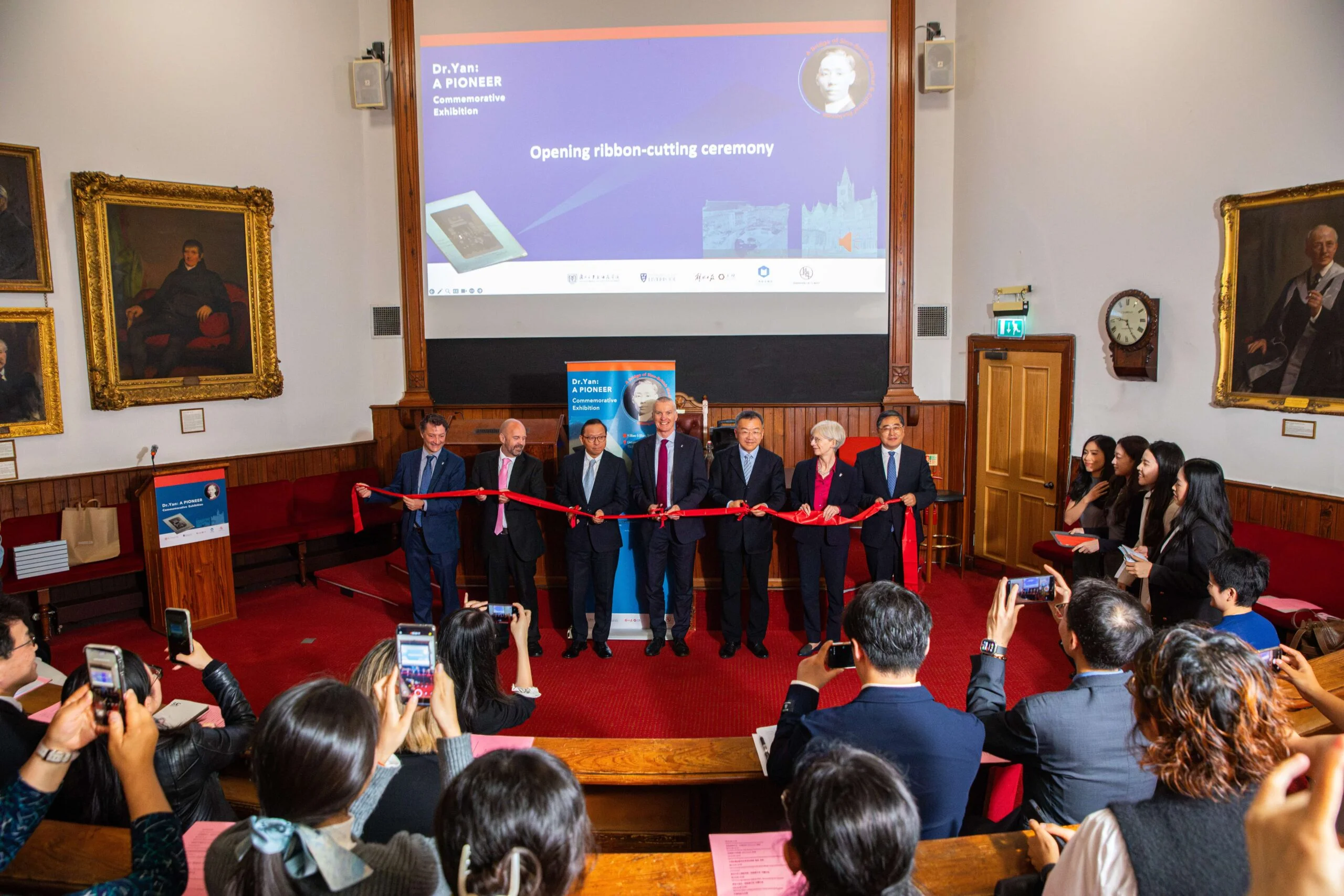

Professor Rodney Harrison from University College London recently researched Bai Ku Yao costume in Nandan County, Guangxi. He stated, “The design of Bai Ku Yao (White-Trouser Yao) pleated skirts has global appeal. Moreover, the craftsmanship reflects unique ethnic traits and holds significant research value.”
In March 2026, UCL will collaborate with the Nandan Bai Ku Yao Eco-Museum to host exhibitions in London, Manchester, and other UK cities, allowing more people to experience China’s rich cultural heritage.
Bai Ku Yao is a subgroup of the Yao ethnic group of China, living mostly in Guangxi and Guizhou. In 2006, their costumes were listed as China’s National Intangible Cultural Heritage.
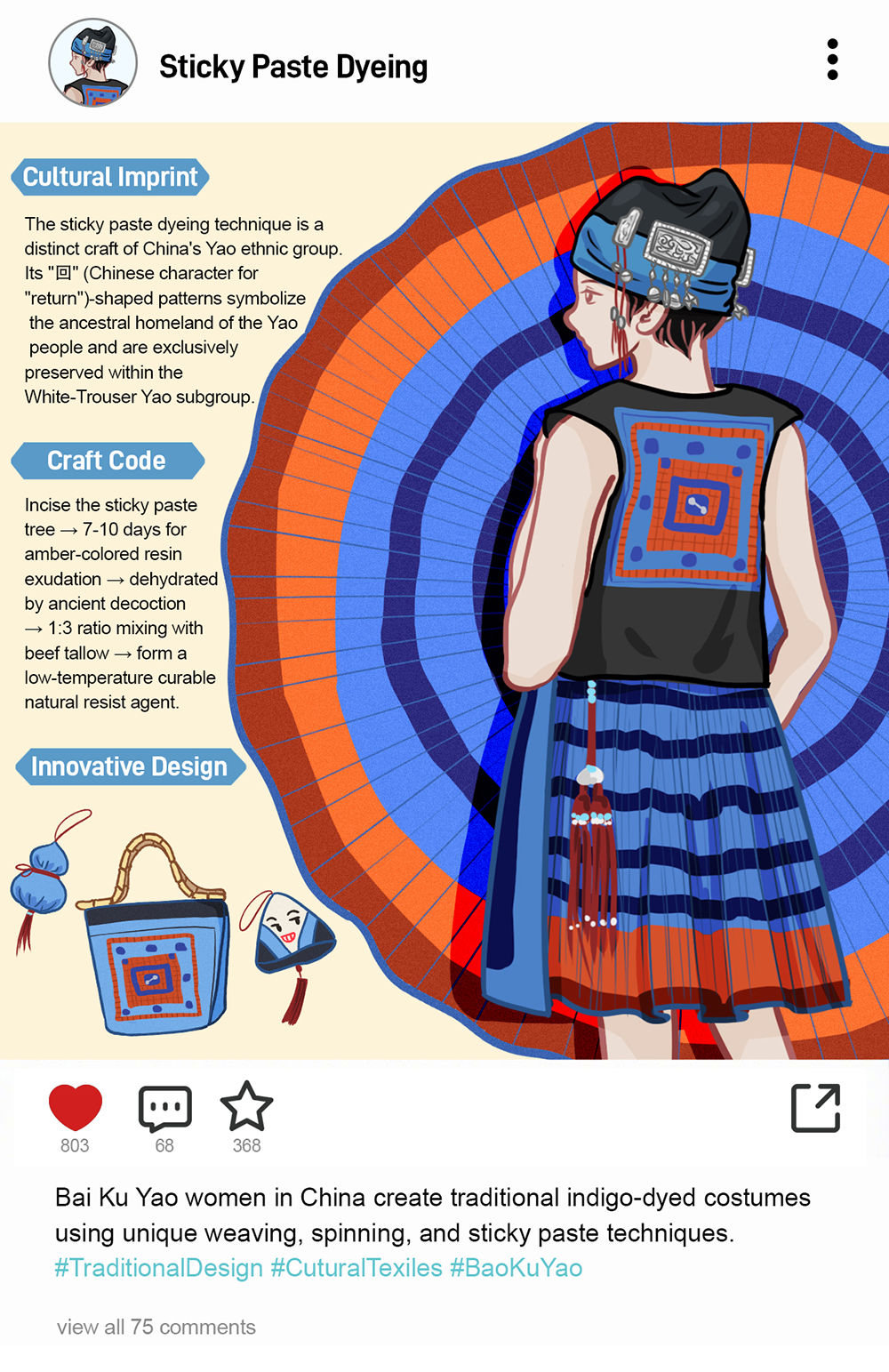
The name “White-Trouser Yao” comes from the knee-length white trousers worn by the local men. However, women’s costumes have gained more fame. Traditionally, the attire includes two embroidered panels covering the upper body, open on the sides, with a “Yao King’s Seal” on the back. Additionally, the lower garment is a blue, knee-length pleated skirt, dyed using indigo and sticky paste painting techniques.

Bai Ku Yao girls follow a unique process to make their clothes, starting with weaving and spinning. They outline patterns with sticky paste and dye fabric with indigo. Today, these costumes have gained international recognition, even reaching Europe.
Furthermore, locals are also adding modern fashion elements to traditional crafts, giving new life to ancient Yao costumes. Handbags featuring sticky paste patterns have become particularly popular.
Archaeologists found dyed textile fragments from the Nandan Lihu Cave Site (dating back 3,500 years), which contained resin from the sticky paste tree (Litsaea monopetala). It confirmed that Yao ancestors had mastered tree resin resist-dyeing technology.
“Indigo-dyed fabric uses natural plant dyes,” said locals. “Artisans extract indigo mud from plants, then dye cotton threads and cloth to create vibrant, pure colors and intricate patterns. As a result, this craftsmanship is popular among European customers. In 2024, European orders exceeded 500 thousand yuan.”
Written by Yi Shen, Poster designed by Di Wang.
If you liked this article why not read: Are You Getting Enough Sleep Today?