
The price war is playing out in the growing “instant commerce” sector in China, where companies are launching massive subsidies and other incentives to get consumers to spend.
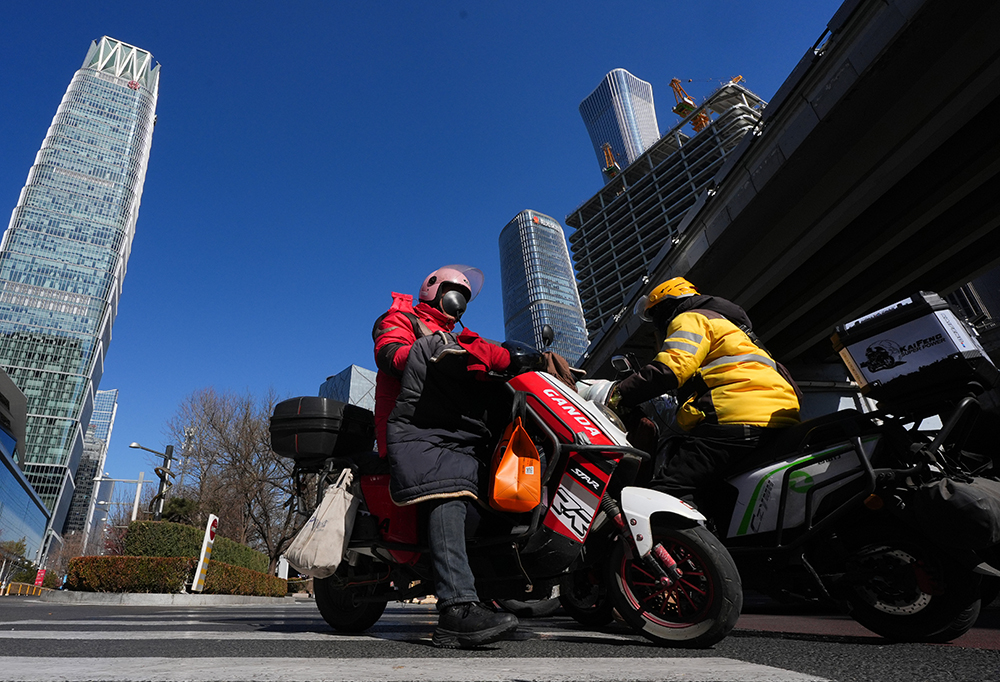
“Instant commerce”, also called “instant retail”, is backed by massive networks of scooter drivers. They can quickly transport everything from food and drink to fast fashion and gadgets.
Big Subsidies and Cheap Offers
This sector is mostly occupied by three main players, including the established e-commerce heavyweights JD.com and Alibaba, as well as delivery platform Meituan.
As JD.com joined into instant commerce sector this year, the competition between these giants has intensified. All three expant their delivery networks and pledged billions in subsidies to merchants and consumers. The result — insanely fast and cheap offers.
The first round of price war began in early July. Taobao Flash Buy, the subsidiary of Alibaba, announced a CNY50 billion ($7 billion) one-year subsidy program for buyers and sellers on July 2. Later, Meituan introduced big subsidies for food and instant delivery orders.
As a result, Meituan’s daily transactions surpassed 120 million on July 5, leading to service disruptions in some regions.

One week later, the second round began. Perusing through JD.com’s delivery platform on July 11, a cup of coffee is as cheap as 10.9 yuan, or $1.50, including delivery fees. Meituan was offering a 13 yuan set of steamed buns and a 26.8 yuan McDonald’s breakfast set.
Taobao Flash Buy announced on July 14 that the number of daily orders has surpassed 80 million, with daily active users from its on-demand delivery business reaching more than 200 million. The number of newly registered merchants has surpassed 240,000.
Greater Share and Future Dominance
With the race now underway, each platform has compelling reasons to compete. Now is the peak season for food deliveries, consumers are more willing to spend, and their habits around instant purchases have already taken shape.
However, this is not only about competition for a greater share of the instant retail market. It is also a critical battle for future dominance in the broader “instant retail + e-commerce + services” consumption ecosystem.

So, what’s next after the price war?
According to industry experts, supply chain capabilities, fulfillment efficiency and service quality will be the key factors that determine the future landscape in the instant retail market. Platforms should ramp up technological innovation, optimize delivery networks and adopt differentiated strategies to further improve user experience.
Written by Yetao Gu, additional reporting by China Daily, yicaiglobal.
If you liked this article why not read: China’s High-Speed Rail in Numbers: Connecting Cities, Transforming Lives