
Discover the top 10 Chinese youth buzzwords of 2025, reflecting trends in self-care, emotional balance and lifestyle.
Over the course of 2025, the Shanghai Youth Research Centre, in collaboration with The Paper Research Institute, identified the top 10 youth buzzwords. These terms reflect Chinese youth culture trends, emerging ideas, and the overall mood of the generation.
The selection is based on the Shanghai Youth Research Centre’s Youth Online Observation and also draws on highly discussed and interactive buzzwords from social platforms, including Xiaohongshu, Bilibili and Sina Weibo. Using AI technology, the research team mined and analysed these trends to build a diverse linguistic archive. Popularity indices were calculated using social media such as WeChat and Douyin to measure youth attention and societal impact.
Here are the top 10 youth buzzwords of 2025, along with their meanings and cultural significance.
1. 韧性 Resilience
Refers to young people’s psychological elasticity and perseverance when facing challenges and pressure. It is an inner strength that enables them to adapt to changing environments and continue growing.
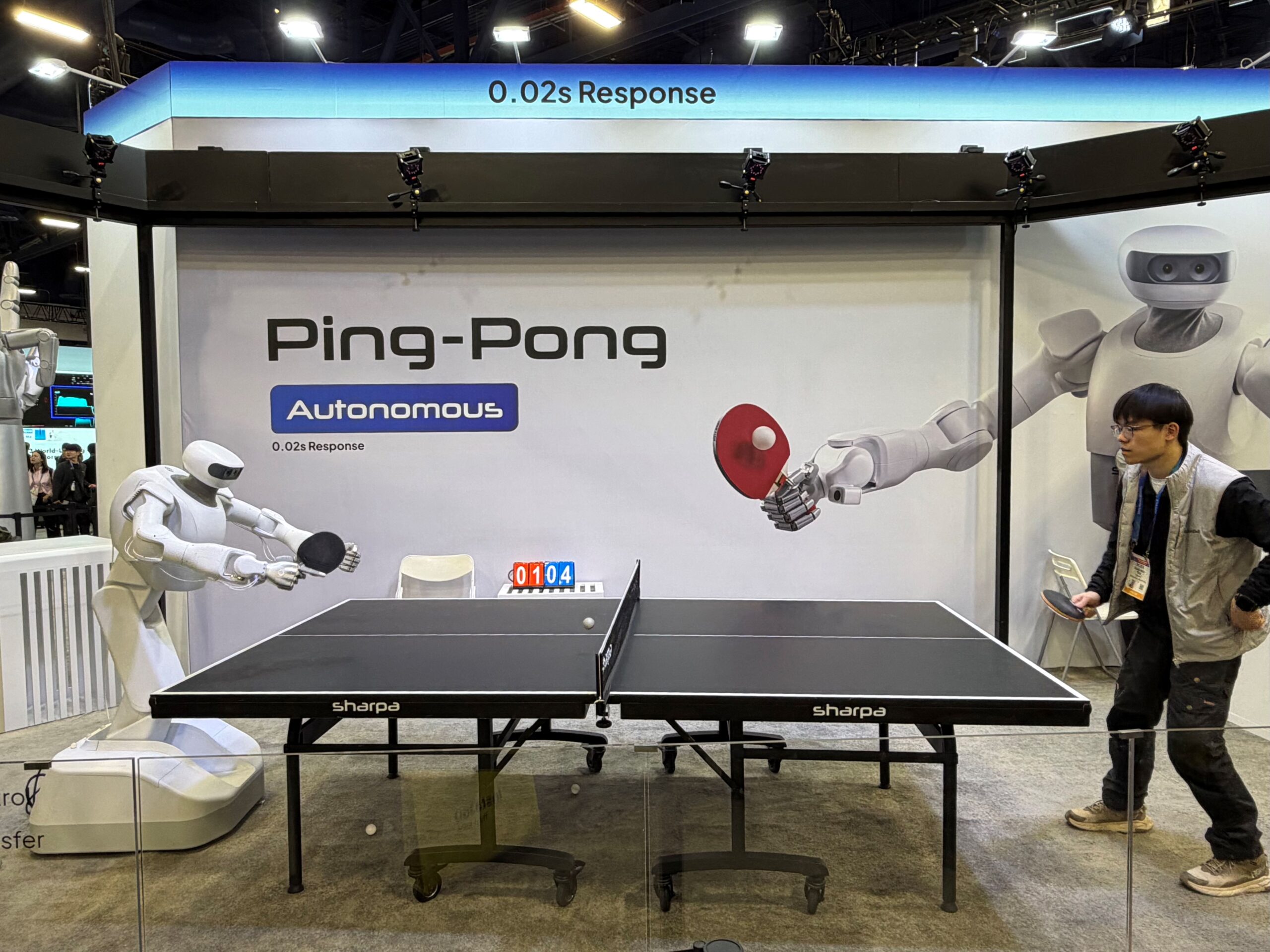
2. 具身智能 Embodied Intelligence
AI systems with a physical presence. Young people see in these systems the potential for virtual forms to become tangible, approaching life-like qualities.
3. DeepSeek
A Chinese AI model that has gained phenomenal popularity thanks to free access, high performance, and visualised reasoning processes. It reflects young people’s enthusiasm for technological progress and innovation.
4. 情绪消费 Emotional Consumption
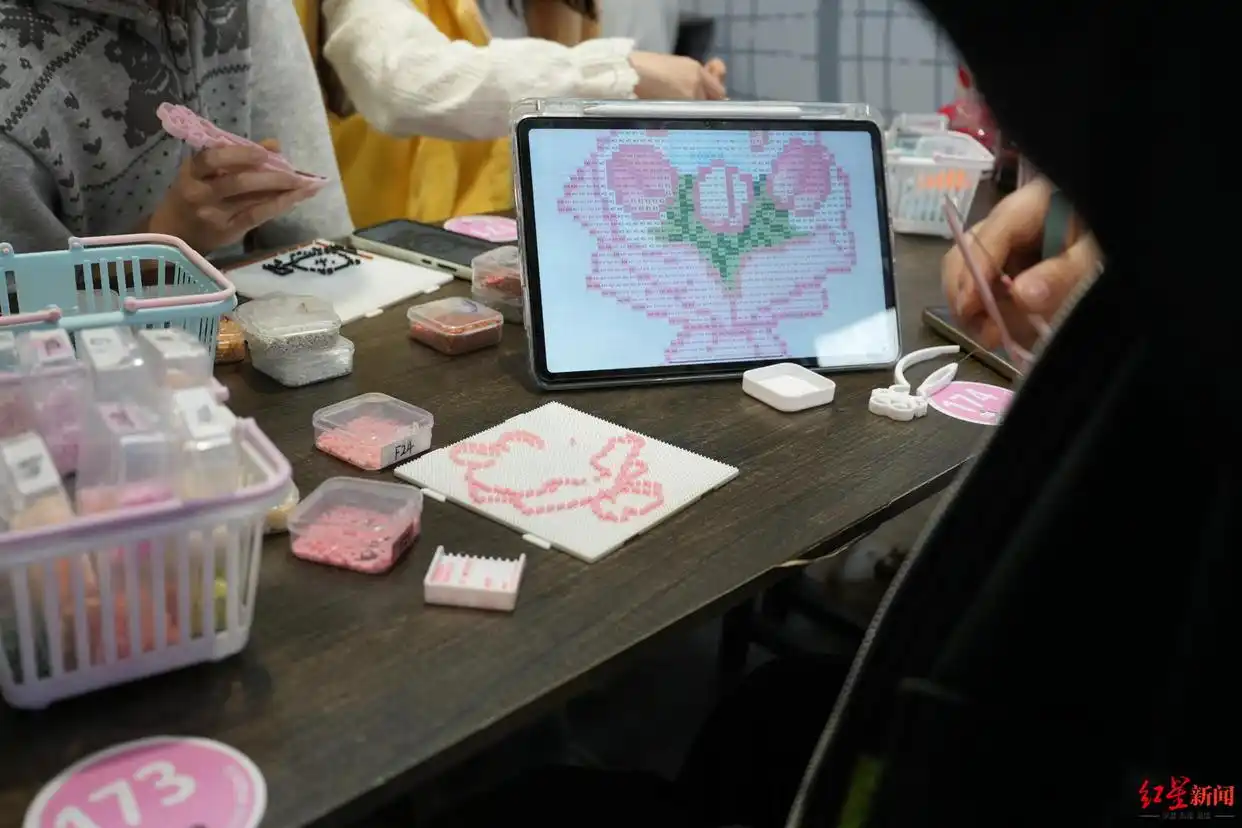
Refers to paying for experiences or products primarily to satisfy emotional needs. It highlights young people’s focus on inner feelings and their desire for emotional engagement. Purchases may seem ‘useless’ or expensive, but they bring joy and comfort, reflecting a prioritisation of emotional well-being over practicality.
5. 主理人 Curator
Originally meaning the core operator of a brand or store, the term has expanded beyond commercial contexts to become a popular identity label among young people.
6. 爱你老己 Love You, Good Old Me
A playful self-affirmation derived from the League of Legends line ‘Love you, Mum, see you tomorrow’. In Chinese, ‘老X’ is an affectionate term for someone close, similar to saying ‘good old John’ in English. ‘老己’ literally means ‘good old me’, treating oneself as a playful, affectionate friend. Young people use it online to express self-care, self-acceptance and emotional comfort.
7. 从从容容游刃有余 Stay Calm and Unhurried
Derived from the viral song Mei Chuxi (没出息, meaning ‘good-for-nothing’), this phrase is used humourously by young people to contrast their desire to remain unhurried with the reality of their busy lives, seeking emotional balance.
8. 基础不基础 To Be Basic or Not
A versatile sentence structure created by young people: ‘If … is basic, then … should not be basic.’ The trend originated with the fashion influencer Zhang Qi, who posted a video illustrating the concept. Her simple rule—‘If the top is basic, then the bottom should not be basic; if the bottom is basic, the top should not be; if both are basic, accessorise creatively’—was quickly picked up and remixed online. The phrase is now used humorously in everyday life to highlight contrasts, add fun, and convey an optimistic attitude.
9. 初代同事 First-Generation Colleagues
Refers to colleagues who enter the workplace together and experience the earliest stage of professional growth as a group. The term 初代(Shodai), literally meaning ‘first generation’, here refers to those entering the workplace for the first time. It reflects young people’s longing for genuine friendships in the workplace.
10. “窝囊”旅游 Low-Effort Tourism
A self-mocking term used by young Chinese travellers for trips requiring minimal effort. These include elevator-assisted hikes, low-speed bungee jumps, and raft-floating while lying down. It reflects young people’s desire to explore while prioritising safety, comfort and a relaxed travel experience. Unlike extreme ‘adventurer’ trips, these experiences prioritise relaxation, stress relief and memorable moments, all with minimal physical exertion.

Beyond the 10 terms already selected, the shortlisted candidates also include “哪吒”(Nezha), “苏超”(Jiangsu Football City League), “多巴胺排毒”(dopamine fasting) and “反向旅游”(reverse tourism).
A Trend of Self-care
Taken together, the 10 buzzwords show that young Chinese people are increasingly focused on self-care, emotional balance and self-acceptance.
Expressions such as Love You, Good Old Me turn small, everyday moments into gestures of self-kindness. Whether joking about ordering an extra drink or comforting oneself after an academic setback, the phrase treats the self not as something to be judged, but as a companion worthy of care. What sounds playful on the surface points to a growing ease with vulnerability and self-acceptance.
A similar sensibility appears in Stay Calm and Unhurried. The phrase captures a desire to slow down emotionally, even as daily life remains fast and demanding. Rather than rejecting ambition, it reflects an effort to hold on to inner steadiness amid constant pressure.
Emotional Consumption speaks to the same shift. Spending decisions are no longer driven only by utility or status, but by emotional return — comfort, pleasure, reassurance, and the feeling of being looked after. Consumption becomes a way of managing mood and protecting mental well-being.
In different ways, these expressions show how young Chinese people are grappling with the relentless pace of daily life. By leaning into self-mockery and emotional honesty, they are carving out a slower, more livable pace in a world that rarely stops for them.
Written by Estelle Tang, additional reporting by CNS, thepaper.cn
If you liked this article why not read: Discover the Top 10 Chinese Buzzwords of 2024