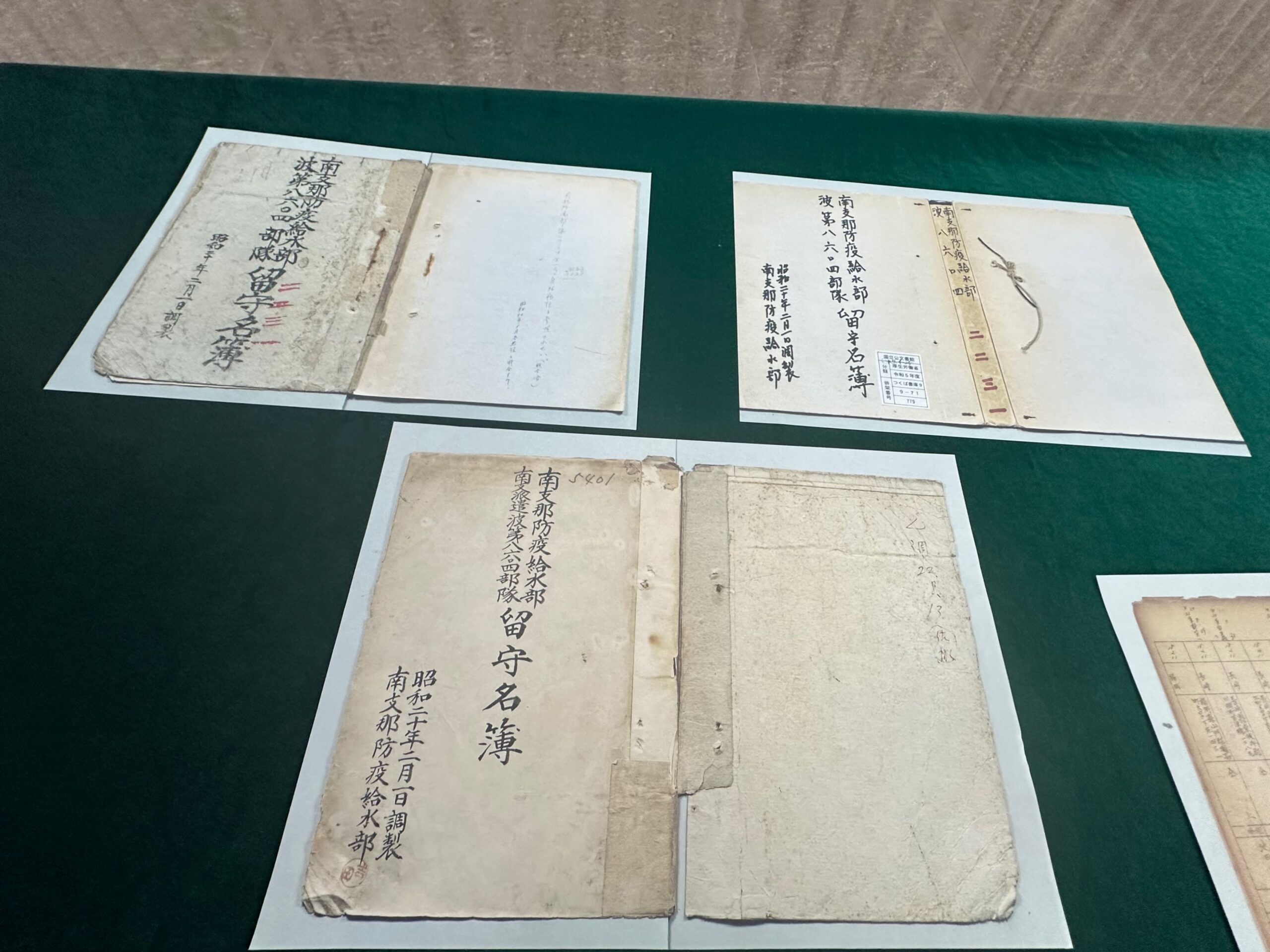

A full roster of Japan’s Unit 8604 — a secret bacteriological warfare team active in South China — has been unveiled in China for the first time.
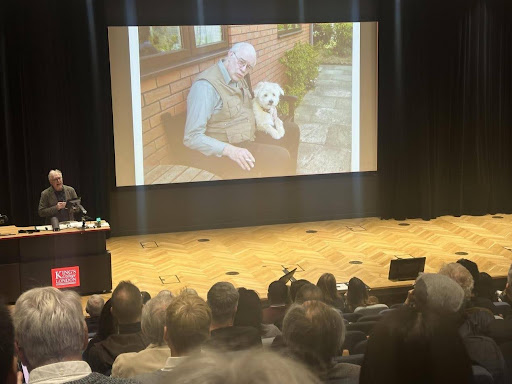
On July 7, the Guangdong Provincial Archives in Guangzhou held a donation ceremony for a rare wartime document. Japanese scholar Seiichi Matsuno donated a full roster of “Unit 8604,” a Japanese army unit that carried out bacteria warfare in South China during the Chinese People’s War of Resistance against Japanese Aggression. This is the first time the full roster has been made available in China.

The roster, compiled on February 1, 1945, lists 860 members of Unit 8604. It includes their names, birthdates, places of origin, dates of assignment to the unit, prior military affiliations and transfer dates, service category, branch, rank, monthly salary, enlistment date, date of current rank conferment, as well as the names and addresses of next of kin in Japan.
After the war, the document remained hidden in Japan for decades. Its existence was first revealed in 2019. On May 14, 2025, Japan finally opened the document to the public under growing international pressure. Researchers can now request to view it in person.

According to the Guangdong Archives, Unit 8604 conducted experiments on live human subjects in South China. The victims were mostly refugees from Guangdong and Hong Kong. Historians estimate that around 4,000 people died as a result of the unit’s biological experiments. Many more suffered from the spread of deadly diseases.
The roster provides hard evidence of these war crimes. It supports the testimonies of former Japanese soldiers and Chinese survivors. Together with the remains of wartime sites across South China, it helps build a clearer picture of what happened.
The donation of this document is a major step in uncovering the truth. It also highlights the efforts of Japanese individuals who believe in historical accountability.
If you liked this article, why not read: From Kites to Culture: Weifang Brings a Symphony of Peace to London