
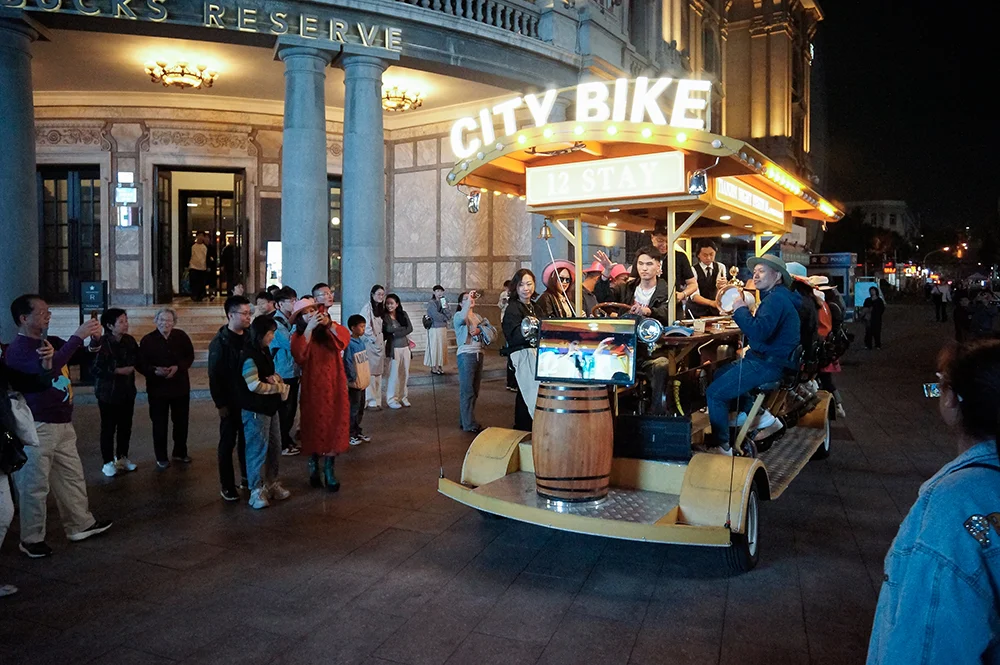

From 1L cans to 10L kegs, bigger-format beer is becoming a summer trend in China, driven by changing drinking habits, social gatherings and online sales.
As temperatures soar across China, bigger-format beer is becoming a summer hit. In many parts of the country, temperatures have climbed above 35°C, while diners pair hotpot, barbecue and crayfish with plenty of ice-cold beer.
Now, 1L tinplate beer cans are catching consumers’ attention. Major brewers have joined the trend, offering larger containers packed with more beer.
Some brands are going even further. Beer kegs and large-format containers holding 5L or even 10L are now available through major retail and e-commerce channels.
Tinplate is made from steel coated with a thin layer of tin. The coating protects the steel while giving the material its familiar name. The material is also increasingly being used for larger beer containers.
For consumers, large metal containers are well suited to summer gatherings. They can be chilled in ice and used as a shared drink for groups, making them a natural fit for barbecues, parties and other casual occasions.

Are Bigger Beer Bottles the New Standard?
For decades, 600ml green glass bottles dominated China’s beer market. Chinese consumers even gave them the nickname “big green sticks” (大绿棒子), according to TMTPOST.
Then drinking preferences began to change.
Some brewers introduced 500ml clear glass bottles, using their slimmer designs to create a more fashionable, premium and youthful image.
Then came tinplate.

King Star Beer (金星啤酒) helped popularise tinplate packaging in China. Other brewers soon followed, introducing larger formats as they explored new product categories and drinking occasions.
As a result, 1L packs have gradually become a familiar format in the market. Today, major Chinese brewers offer 1L tinplate beer, particularly in categories such as fresh beer and tea-infused beer.
The larger format also fits emerging sales channels and social drinking occasions. At the same time, it allows brands to distinguish these products from their traditional beer ranges.
For example, Chongqing Brewery, part of Carlsberg, has positioned 1L products as an important tool for premiumisation. The company has introduced 1L tinplate packs across almost all of its core categories.
Meanwhile, brewers and retailers continue to promote large-format beer.
The trend is now moving beyond 1L packs. Recent industry reports show brands launching products of 3L or more, with some reaching 5L, 8.88L and even 10L.

Why Do Drinkers Want Bigger Beer?
The rise of large-format beer reflects broader changes in drinking habits.
In the past, people consumed much of their beer in restaurants. Even at home, beer was often served with meals. Standard glass bottles therefore fit the occasion well.
Today, the picture looks different.
People are drinking less beer at business meals, while restaurants account for a smaller share of overall beer consumption. Industry data show that the share of on-premise beer consumption has fallen from 55% before 2020 to around 40% today.
Instead, beer is appearing more often at parties, camping trips and casual gatherings. These occasions call for something different. A large container can create a stronger sense of sharing and make a gathering feel more lively. Yet glass bottles and conventional aluminium cans are not always designed for very large formats. That creates an opportunity for tinplate packaging.

Bigger Beer Also Looks Better Online
There is another factor behind the trend: social media.
According to yunjiuwang.com, as online beer sales grow, consumers born in the 1990s and 2000s have become a major force in the drinks market. Brands therefore increasingly need products that stand out not only on shelves, but also on screens.
Large-format beer has an obvious advantage.
A giant beer container creates more visual impact than a standard bottle or can. It can also become part of the occasion itself, making it a natural fit for livestreams, short videos and social media posts.
More importantly, these platforms increasingly sell experiences as well as products.
A huge beer container can create a sense of occasion, encouraging people to share, film and post their drinking experience.
For brewers, bigger beer is therefore not just about selling more beer. It is about selling a social experience — and, increasingly, a lifestyle.
Written by Yi Shen.
If you liked this article, why not read: Are Young People in China Falling for “Fake Alcohol”?


