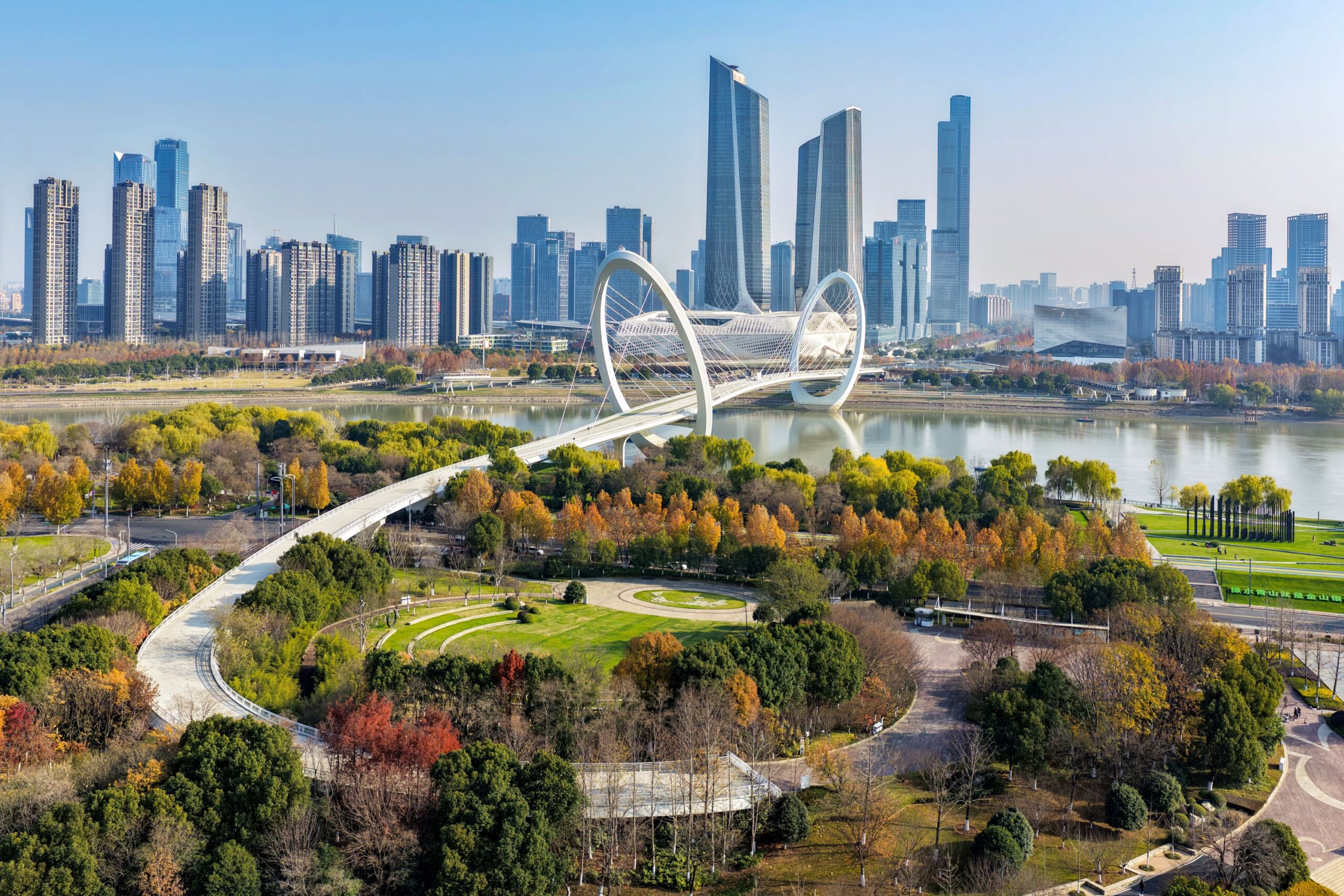

Over the past decade, the Yangtze River Economic Belt has advanced cleaner shipping, upgraded industry and steady income growth.
Over the past decade, the Yangtze River Economic Belt has become a testing ground for China’s push toward greener growth. Once under pressure from heavy shipping and dense industry, the region is now showing measurable change. Environmental cleanup, industrial upgrading and rising living standards are advancing in parallel.
Cleaning Up the River While Keeping It Moving
For years, shipping and port activity placed a heavy burden on the Yangtze River. Pollution, illegal docks and untreated wastewater were common along many riverbanks. That picture is now changing.
More than 60,000 vessels have undergone green retrofitting, while near-zero wastewater discharge has become the norm in key ports. At the same time, authorities removed over 2,500 illegal docks, restoring natural shorelines and improving water flow.

As a result, environmental protection is no longer treated as a separate task. Instead, it is built directly into transport and logistics planning across the river basin.
An Industrial Base Driving Green Growth
Meanwhile, cleaner waterways have supported a broader industrial transition. The Yangtze River Economic Belt now hosts 41 advanced manufacturing clusters and 30 emerging industry clusters, forming one of China’s most concentrated industrial corridors.
More importantly, green industries are scaling up fast. Five regions along the river have each surpassed one million units in new energy vehicle (NEV) output, underscoring the area’s role in China’s clean technology supply chain.

This combination of scale and specialisation has helped reduce energy intensity while maintaining output. It also explains why the region remains competitive despite rising environmental standards.
Growth That Reaches People
Economic data shows that efficiency gains are translating into broader benefits. The Yangtze River Economic Belt contributes around 50 per cent of China’s GDP, while using only about one-third of the nation’s energy consumption.
At the same time, the region’s share of national GDP rose from 42.2 per cent to 47.3 per cent, and per capita income increased by more than 90 per cent over the past decade.

Taken together, these figures suggest a shift in the growth model. Economic expansion is no longer driven by energy use alone. Instead, productivity, cleaner industry and income growth are moving in the same direction.
Chart Design by Wang Di. Additional reporting by CNS.
If you liked this article, why not read: From Vehicles to Appliances, China Expands Green Consumption